Read The Times Australia

Daily Bulletin

Christians in Australia are not persecuted, and it is insulting to argue they are

  • Written by: Robyn J. Whitaker, Bromby Senior Lecturer in Biblical Studies, Trinity College, University of Divinity

As Australians wait to hear the government’s response to the Ruddock review of religious freedom (and indeed, the content of the report itself), it is worth considering exactly how the two intersect in this largely secular society.

Australia has neither constitutionally guaranteed religious freedom nor a bill or charter of rights, leaving us...

Read more …

The bugs we carry and how our immune system fights them

  • Written by: Peter C. Doherty, Laureate Professor, The Peter Doherty Institute for Infection and Immunity
The bugs we carry and how our immune system fights them

This article is part of a three-part package exploring immunity and infectious diseases around the world.

Human beings are large, complex, multicellular, multi-organ systems. We reproduce slowly and rely on a breadth of mechanisms that allow us to control the myriad of rapidly replicating, simple life forms that have evolved to live in or on us.

The system of defence is referred to collectively as immunity.

The word itself comes from the Latin immunis, describing the status of returned soldiers (Genio immunium) in the Roman state who were, for a time, exempt from paying taxes.

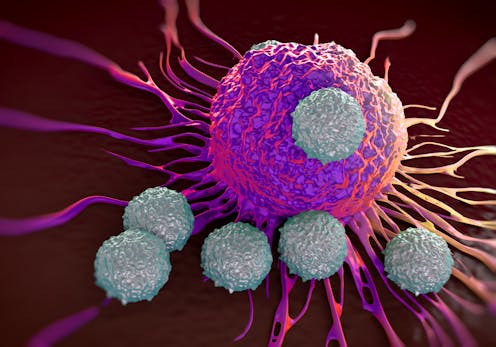
Our immunity protects us from many illnesses, including some forms of cancer. New cancer therapeutics, called immunotherapies, work by boosting our immune cells to fight cancer cells that have found ways to evade them.

The immune system is divided into two interactive spheres, the much older “innate” sphere, and the more recently evolved “adaptive” sphere. A primary challenge for the very specifically targeted cells that form the basis of adaptive immunity is to distinguish “self” (our own body cells and tissues) from “non-self” – the foreign invaders. When that goes wrong, we can develop autoimmune diseases such as multiple sclerosis or rheumatoid arthritis.

Read more: Explainer: what are autoimmune diseases?

The organisms we carry around with us

The human body is host to many organisms over a lifetime. Some are dangerous to health (pathogens), some are benign, and some are necessary for proper functioning.

Most of the genetic material we carry around with us is “non-self”: principally harmless bacteria (called “commensals”) that live in the gastrointestinal tract.

Traditionally, studies focused on the “bad bugs” in our gut that cause diarrhoea and dysentery. But more recently, we’re learning there are also good guys. And there’s a general consensus we need to know more about the “microbiome”, the mass of bacteria in any “clinically normal” gut.

Gut bacteria provide essential vitamin B12 and when they die, release myriad proteins that will be broken down into amino acids, which the body needs. About 30% of our poo is comprised of dead bacteria.

Apart from our microbiome, normal human beings also have a substantial “virome”. Viruses differ from bacteria (which are cells in their own right) in that they are much simpler and can only replicate in living cells.

The greatest number of viruses we carry around are the “bacteriophages”, which infect the commensal bacteria in our gut. Not all “phages” are, however, benign. For example, the toxin that causes human diphtheria is encoded in the genome of a bacteriophage.

There’s also a spectrum of viruses that persistently infect our body tissues. The most familiar are herpes viruses, like those that cause cold sores (H. simplex) and shingles (H. zoster). Both viruses hide out in the nervous system and are normally under immune control. They re-emerge to cause problems as a consequence of tissue stress (such as a sunburnt lip) or as immunity declines with age (shingles). This is why a booster shingles vaccine is recommended for the elderly.

Read more: Essays on health: microbes aren't the enemy, they're a big part of who we are

Our innate and adaptive immune systems

The innate system ranges from processes as basic as phagocytosis (ingestion of bacteria), to molecules like the interferons produced by any virus-infected cell that can limit replication. Such innate systems are found right across the evolutionary spectrum and don’t target specific pathogens.

The much younger adaptive immune system is what we stimulate with vaccines. A property of small white blood cells called lymphocytes, it divides broadly into two lineages: the B cells and T cells. These bear the extraordinarily diverse and very specific immunoglobulin (Ig) and T cell receptor (TCR) recognition molecules that detect invading pathogens (bacteria, virus, fungi and so on).

The immunoglobulins bind to “non-self” (foreign) proteins called “antigens”, while the T cell receptors are specifically targeted to “self” transplantation molecules.

The assassins of the immune system are then switched on; the killer T cells that eliminate virus-infected (or cancer) cells. Also activated are the “helper” T cells that secrete various molecules to “help” both the B cells and killer T cells differentiate and do their work.

Read more: Explainer: what is the immune system?

How does our immune system learn and remember?

All lymphocyte responses work by massive cell division in the lymph nodes (the “glands” in our neck that swell when we get a sore throat). This process is started by small numbers of “naive” B and T cells that haven’t encountered the invader before, and only stops when the foreign invader is eliminated.

The B cells differentiate into large protein-secreting cells called plasma cells, which produce the protective antibodies (immunoglobulins) that circulate for years in our blood.

Most of the T cells die off after they’ve done their job, but some survive so they can remember how to target specific invaders. They can be rapidly recalled to their “killer” or “helper” function.

Prior infection or the administration of non-living or “attenuated” (to cause a very mild infection) vaccines sets up the memory so protective antibodies are immediately available to bind (and neutralise) pathogens like the polio or measles virus. While immune T cells are rapidly recalled to “assassin” status and eliminate pathogen-infected cells.

As you may have gathered from this very brief and far too simplified account, the immune system is extraordinarily complex. And it’s also very finely balanced with, for example, cross reactive responses to bacterial proteins sometimes setting us up for autoimmune diseases.

Read more: No, combination vaccines don't overwhelm kids' immune systems

Another example of autoimmunity is rheumatoid arthritis, which can be triggered by blood-borne chemicals from tobacco smoke that modify “self” transplantation molecules in the joints.

And when we talk about the possible effects of the microbiome, or the “too clean” hypothesis, we’re discussing how exposure to bacteria and viruses can modify that immune balance in ways that directly affect our wellbeing. This is a very active area of research which, given the underlying complexity, presents scientists with big challenges as we seek to reach verifiable conclusions.

Authors: Peter C. Doherty, Laureate Professor, The Peter Doherty Institute for Infection and Immunity


Read more http://theconversation.com/the-bugs-we-carry-and-how-our-immune-system-fights-them-91351

Universities need to do more to support refugee students

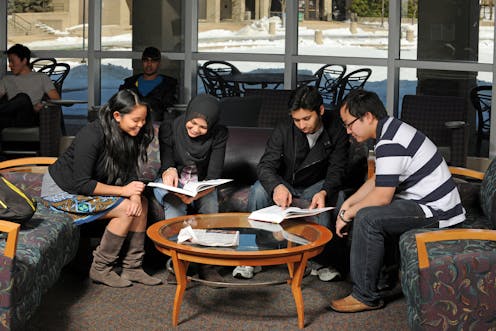
  • Written by: Sally Baker, Lecturer, School of Social Sciences, UNSW
Universities need to do more to support refugee studentsInflexible structures of higher education and competing demands related to settlement often make transition difficult for refugees, despite their desire to work hard.Shutterstock

In the past two decades Australian universities and schools have received growing numbers of students from refugee backgrounds. This is in line with increasing numbers of...

Read more …

Why blowing the 1.5C global warming goal will leave poor tropical nations sweating most of all

  • Written by: Andrew King, Climate Extremes Research Fellow, University of Melbourne
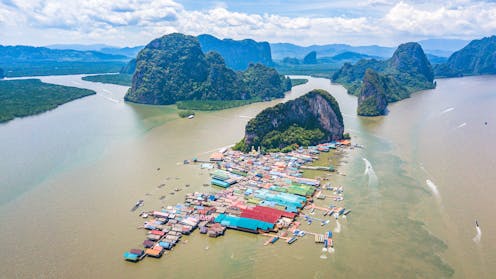
Why blowing the 1.5C global warming goal will leave poor tropical nations sweating most of allPoor tropical nations are likely to feel the effects of climate change most acutely.Apiguide/Shutterstock.com

Almost all of us are going to be worse off as climate change takes hold, whether through heatwaves, changing rainfall patterns, sea level rise, or damage to ecosystems. But it’s the world’s poorest people who will suffer the...

Read more …

More Articles …

  1. Superannuation is still mired in the same old issues, and no one is going to fix your nest egg but you
  2. It's less than 2cm long, but this 400 million year old fossil fish changes our view of vertebrate evolution
  3. Why do Aussies have a different accent to Canadians, Americans, British people and New Zealanders?
  4. Food sharing with a 21st-century twist – and Melbourne's a world leader
  5. Barnaby Joyce takes personal leave after horror day
  6. Queensland's new land-clearing laws are all stick and no carrot (but it's time to do better)
  7. The BS and the science of nanotechnology
  8. Terrestrial, a tale of friendship, loneliness and aliens in the Australian desert
  9. Newspoll asks skewed company tax cut question as Labor gains
  10. New vitamin supplement study finds they may do more harm than good
  11. Preliminary report on Uber's driverless car fatality shows the need for tougher regulatory controls
  12. University funding debates should be broadened to reflect their democratic purpose
  13. Young people, not employers, should choose super fund: Productivity Commission
  14. is it a white thing?
  15. will the universe expand forever, or contract in a big crunch?
  16. how globalisation spreads infectious diseases
  17. The public barbie, an Aussie icon frozen in time
  18. Megaphone diplomacy is good for selling papers, but harmful for Australia-China relations
  19. Research shows networking is painful, but it can be a lot better
  20. How parenthood continues to cost women more than men
  21. Government 'dares' the Senate on its corporate and income tax packages
  22. Hold your horses – brumby fertility control isn't that easy
  23. what is black salve and why do people think it can cure cancer?
  24. Rewriting history in the People’s Republic of Amnesia and beyond
  25. Independent crossbencher Steve Martin joins Nationals, giving the party a Tasmanian presence
  26. The off-topic Conversation #161
  27. The violent collectors who gathered Indigenous artefacts for the Queensland Museum
  28. how traditional methods could deliver zero-emission shipping
  29. why journalists need to understand grammar to write accurately about violence
  30. Why CEOs need to embrace fear
  31. why infectious diseases are so much more harmful to isolated peoples
  32. why reducing the number of subjects isn't the answer
  33. The IOC thinks eSports are too violent for the Olympics, but traditional sports are violent too
  34. Summit on, then off, now on again? The seemingly endless game-playing of US-North Korea relations
  35. New Zealand's hoki fishery under scrutiny after claims of fish dumping, misreporting
  36. Airport-dwelling magpies get in less of a flap about planes, and that could be good or bad
  37. Demasi cleared, but images in science continue to attract intense scrutiny
  38. Michelle Grattan on Labor's byelection bother
  39. Why some migrants in abusive relationships don't receive help, and are deported
  40. why, and what can we do about it?
  41. Australia's deal with Timor-Leste in peril again over oil and gas
  42. Dugong and sea turtle poo sheds new light on the Great Barrier Reef's seagrass meadows
  43. William Ricketts Sanctuary is a racist anachronism but can it foster empathy?
  44. Six things Labor’s review of tertiary education should consider
  45. Plain, Greek, low-fat? How to choose a healthy yoghurt
  46. should the government intervene to fix low wages?
  47. When neighbourhoods become dangerous, look to local strengths for a lifeline
  48. but what's going on beneath Hawai'i's volcano?
  49. 'Super Saturday' is not so super in Labor's eyes
  50. Labor outraged as July 28 Super Saturday overlaps ALP conference

Business News

Australian organisations are relying on business continuity plans built for a far more predictable world

Tariff escalations, supply chain fragility, geopolitical events, and the ongoing threat of cyber disruption have reshaped the risk environment facing Australian organisations. The problem is that ma...

Daily Bulletin - avatar Daily Bulletin

How to Rent a Car for Uber in Melbourne: What Every New Driver Needs to Know

Starting out as an Uber driver in Melbourne is not as complicated as it sounds but getting the vehicle right is where most new drivers get stuck. Uber has strict requirements around vehicle age, condi...

Daily Bulletin - avatar Daily Bulletin

When Should You Speak to a Lawyer About a Legal Issue?

Legal issues can begin with a simple question, then become harder to manage once formal steps are involved. Many people wait until a matter feels urgent before seeking guidance, even though earlier ...

Daily Bulletin - avatar Daily Bulletin

The strategic rise of Bali as Australia’s next essential healthcare support hub

As Australian healthcare providers grapple with unprecedented operational bottlenecks, a new nearshore model is quietly transforming patient care delivery. Forward-thinking organisations,  including...

Daily Bulletin - avatar Daily Bulletin

Cost Savings and Benefits of Using Used Pallets in Logistics

In today’s competitive logistics and supply chain industry, businesses are constantly looking for ways to reduce operational costs without compromising efficiency and reliability. One of the most prac...

Daily Bulletin - avatar Daily Bulletin

How Fulfilment Services in Australia Help Businesses Scale Efficiently

The growth of e-commerce and modern retail has transformed customer expectations. Consumers now expect fast shipping, accurate order processing, and seamless delivery experiences regardless of where...

Daily Bulletin - avatar Daily Bulletin

Practical Ways Australian Workplaces Can Reduce Operating Costs

Reducing business costs doesn’t always mean cutting staff, shrinking services or making the workplace feel bare-bones. In many cases, the smarter savings are hiding in everyday operations: the light...

Daily Bulletin - avatar Daily Bulletin

Executive Recruitment Solutions That Help Organisations Secure Exceptional Leaders

Leadership has a direct impact on organisational performance, employee engagement, strategic growth, and long-term success. Businesses operating in increasingly competitive environments require experi...

Daily Bulletin - avatar Daily Bulletin

Why A WooCommerce Website Designer Matters For Online Growth

Running an online store today requires more than simply listing products and waiting for customers to arrive. Businesses need a website that is fast, reliable, easy to navigate, and designed to suppor...

Daily Bulletin - avatar Daily Bulletin

The Daily Magazine

DIY Rodent Control Vs Professional Help: When Is It Time To Call The Experts?

Rodents are one of the most frustrating pest problems for Australian property owners. Rats and mic...

Lighting Shop in Perth: How The Right Lighting Can Transform Your Home And Business

The right lighting can completely change the look, feel, and functionality of any space. Whether it ...

Traffic Light System Solutions For Safer And More Efficient Traffic Management

Modern cities and growing communities rely heavily on effective traffic management to ensure safety...

Gold Migration Lawyers in Liquidation: How the Closure Affects Your ART Appeal

If your appeal was with Gold Migration Lawyers, a recent change to how the Tribunal decides cases ...

The pressure cooker: life in urban Australia in 2026

Australian cities have always been demanding. Long commutes, rising housing costs, busy schedules a...

What Actually Makes a Good Criminal Lawyer in Melbourne

Most people only think about this question once. That is usually too late. Most people charged wi...

Why Working With A Chatswood Tutor Can Improve Academic Performance

Academic expectations continue increasing for students across primary school, high school, and senio...

Is It Worth Getting Solar Panels in Melbourne?

The real question is not whether solar works in Melbourne. It works. The question is what it is co...

How A Diploma Of Project Management Builds Practical Skills For Modern Work Environments

Developing the ability to plan, execute, and deliver outcomes efficiently is a key requirement in to...