

How to Check for Unapproved Renovations Before Buying a House
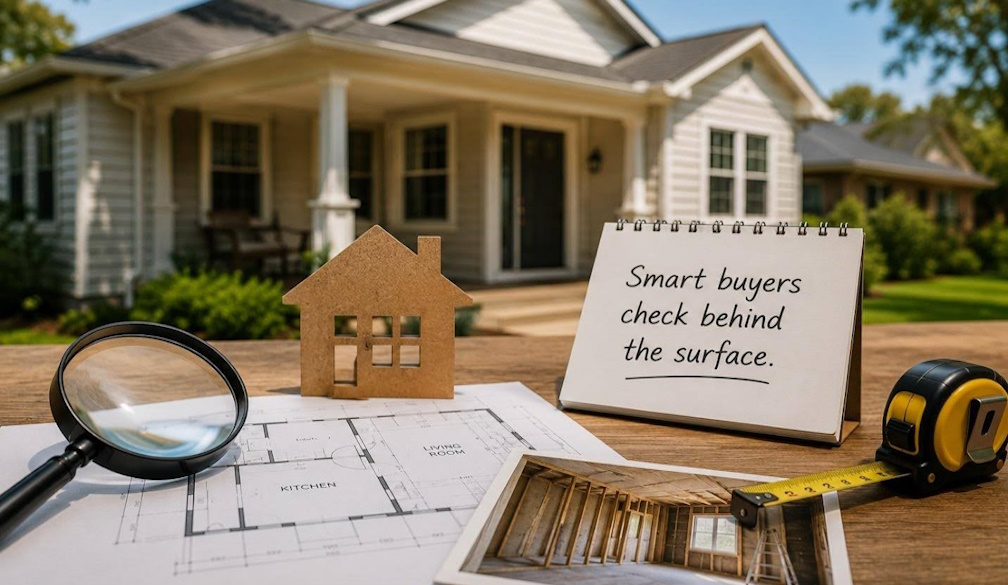
Buying a home is one of the biggest financial decisions most people will ever make. While it's easy to focus on the property's appearance, location, and price, it's equally important to understand the history of any renovations or additions that have been completed over the years.
Many homes have been extended, renovated, or modified by previous owners. In many cases, the work has been completed properly and all necessary approvals have been obtained. However, there are also situations where building work may not have been approved or documented correctly.
Taking the time to investigate before settlement can help you avoid unexpected complications after you've moved in.
Important Checks Before Purchasing a Property
Organise Your Move Once Settlement Is Confirmed
Moving into a new home involves much more than packing boxes. Booking experienced moving company Northern Beaches professionals early allows you to secure your preferred moving date and gives you one less thing to worry about during settlement.
Professional removalists can safely transport furniture, appliances, and fragile belongings while helping make moving day more efficient. With the logistics organised, you'll have more time to focus on understanding your new property's condition before settling in.
Ask About Previous Renovations
If the property has been renovated, ask the selling agent or current owner what work has been completed and when.
Some common projects that may require approvals depending on the circumstances include:
- Home extensions
- Granny flats
- Garage conversions
- Structural wall removals
- Additional bathrooms
- Outdoor entertaining areas
- Large decks or pergolas
Requesting available documentation early allows you to better understand the property's history before contracts become unconditional.
Review Available Building Documentation
Where possible, ask for copies of any documents relating to previous building work.
These may include:
- Approved building plans
- Occupation certificates
- Building approvals
- Engineering documentation
- Inspection reports
- Completion certificates
Having these records available can provide confidence that previous work has been completed appropriately and may also be helpful if you decide to renovate in the future.
Look Beyond Cosmetic Improvements
Fresh paint, modern kitchens, and stylish bathrooms can make a home look impressive, but cosmetic finishes don't always tell the full story.
Pay attention to signs that areas may have been altered significantly, such as enclosed patios, converted garages, raised roofs, or additions that appear newer than the original home.
While these improvements are often completed correctly, they are worth asking about so you understand exactly what has been done.
Understand Why Approvals Matter
If building work required approval but wasn't approved, it doesn't necessarily mean the work is unsafe or needs to be removed. However, it can create additional steps if you later decide to renovate, sell the property, or respond to questions raised during future approval processes.
In some situations, completed building work may need to be assessed against the relevant building requirements before an appropriate pathway can be determined. Addressing these matters early is generally simpler than discovering them years later when you're planning further improvements.
Know When to Seek Professional Advice
If you're uncertain about the approval status of previous building work, obtaining professional advice can provide valuable peace of mind.
An experienced BCA consultant can assess completed works, identify potential compliance issues, and explain the available options where approvals may be incomplete or additional assessment is required. This can be particularly valuable if you're purchasing a property with extensive renovations or additions completed by previous owners.
Seeking advice before committing to a purchase allows you to make informed decisions and better understand any future obligations that may apply.
Keep Property Records Organised After Settlement
Once you've purchased your home, keep all important building documentation together in a safe location.
Maintaining organised records makes it much easier if you later decide to renovate, refinance, or sell the property. Future buyers will also appreciate having access to the property's building history and relevant approvals.
Good record keeping is a simple habit that can save considerable time and effort later.
A Little Research Before Buying Can Prevent Future Surprises
A renovated home can offer excellent value and save years of future work, but it's worth understanding exactly what has been completed before you move in.
By asking the right questions, reviewing available documentation, and seeking professional advice where needed, you can purchase your new home with greater confidence. Taking a little extra time before settlement may help avoid unnecessary delays, unexpected costs, and approval issues in the future, allowing you to enjoy your new home knowing you've done your due diligence.


 Daily Bulletin


