

The Hidden Engineering Problem Inside Australia's Older Housing Stock
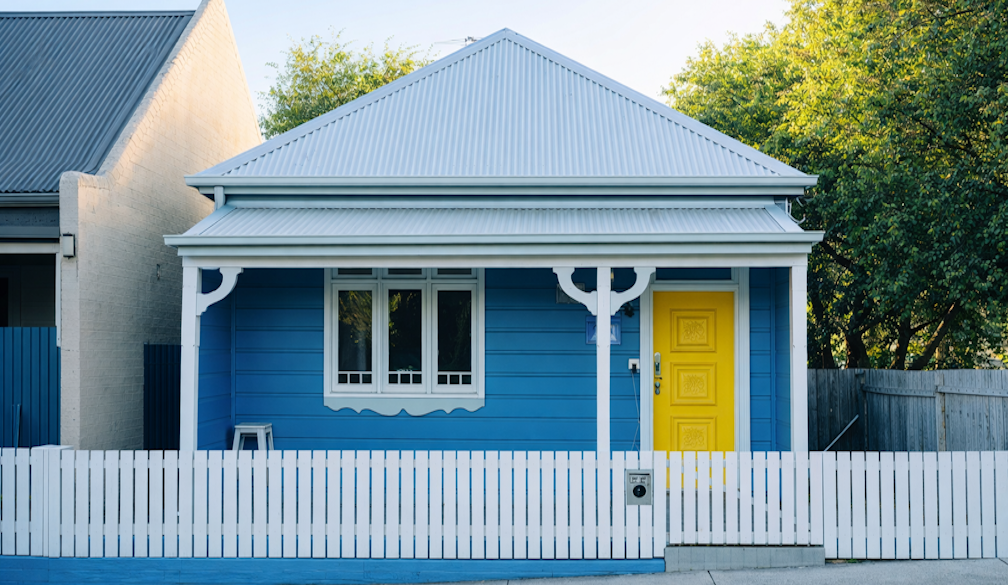
A significant share of Australian homes were built for a way of living that no longer exists. Houses constructed before the 1980s were designed around modest electrical loads, single bathrooms, unconditioned interiors and materials that were considered state of the art at the time but have since been superseded or, in some cases, banned outright. As these dwellings pass through successive ownership cycles, the gap between what they were engineered to do and what is now asked of them continues to widen.
This gap is rarely visible from the street. It shows up instead in the performance of the building's core systems: electrical, plumbing, structural and thermal. Understanding how each of these systems ages explains why renovation costs on older properties so often exceed initial estimates, and why the most consequential work in a period home is usually the least photogenic.
Electrical systems under loads they were never designed for
The clearest example of this mismatch is electrical capacity. A house wired in the 1960s was typically provisioned for lighting, a refrigerator, a television and a handful of small appliances. The same house today may be running reverse cycle air conditioning, an induction cooktop, a heat pump hot water system and an electric vehicle charger, often simultaneously. Total household electrical demand has grown by an order of magnitude, while the conductors, switchboards and earthing systems in many older homes remain original.
The failure modes are well understood in the trade. Cloth and rubber insulated cabling becomes brittle and cracks, exposing conductors inside wall cavities. Ceramic fuse boards lack the residual current protection that has been mandatory in new installations for decades. Undersized circuits run warm under sustained load, degrading insulation further and elevating fire risk. Assessing this properly requires testing rather than visual inspection, which is why a licensed electrician Annandale and similar older suburbs rely on will typically conduct insulation resistance testing and thermal imaging of the switchboard before recommending a scope of work. In suburbs dominated by pre-war housing, full or partial rewires during renovation are closer to the norm than the exception.
The electrification push complicates this further. Government incentives are steering households away from gas appliances toward electric alternatives, each of which adds continuous load to infrastructure that may already be at its limit. In many older homes, the switchboard upgrade is no longer optional preparation for the future. It is the prerequisite for participating in it.
Plumbing materials with defined lifespans
Water infrastructure in older homes tells a similar story, driven by materials science rather than load growth. Galvanised steel pipe, the standard for supply lines through the mid twentieth century, corrodes internally at a relatively predictable rate. The zinc coating sacrifices itself over several decades, after which the steel beneath rusts, constricting flow and eventually perforating. A home with original galvanised supply lines is operating on borrowed time regardless of how well it has been maintained.
Earthenware sewer pipes present a different degradation mechanism. The pipe segments themselves are durable, but the joints between them are not, and tree roots exploit any gap. Root intrusion progressively fractures the line, and the traditional repair cycle of periodic clearing only delays the eventual excavation or relining. Modern trenchless relining has changed the economics of this repair considerably, but it remains one of the larger unplanned expenses an owner of an older property can encounter.
Structural movement and the behaviour of reactive soils
Much of Australia's older housing sits on reactive clay soils that expand when wet and contract when dry. Homes of this era were typically built on shallow strip footings or timber stumps, both of which respond to soil movement far more than modern engineered slabs. The result is the familiar pattern of cracking above door frames, doors that bind seasonally and floors that develop a perceptible fall toward one corner.
Most of this movement is cyclical and cosmetic. The engineering challenge lies in distinguishing seasonal articulation from progressive settlement, which can indicate footing failure, leaking drainage saturating the soil beneath the structure, or decayed stumps. Restumping and underpinning are established remedies, but their cost and disruption mean the diagnosis matters. Monitoring crack width over a full wet and dry cycle remains the standard low-cost diagnostic before committing to structural intervention.
Thermal performance as a retrofitting problem
The final system is thermal, and it is where older homes diverge most sharply from contemporary standards. Dwellings built before insulation requirements entered the building code have effectively zero designed thermal resistance. Solid brick walls, uninsulated ceilings, single glazing and generous air leakage combine to produce buildings that are expensive to heat and cool and uncomfortable at both extremes.
Retrofitting thermal performance is an exercise in diminishing returns, and sequencing matters. Ceiling insulation delivers the largest gain per dollar and is straightforward in most roof cavities. Draught sealing is inexpensive and effective. Wall insulation and double glazing sit much further down the cost effectiveness curve, particularly in solid masonry construction where cavity fill is not an option. The practical consequence is that older homes rarely reach modern thermal standards, but most can be brought to an acceptable level with targeted work rather than wholesale reconstruction.
The common thread
Across all four systems, the pattern repeats. Original components were adequate for their era, degrade on multi-decade timescales, and fail in ways that are concealed until they are advanced. The homes themselves are worth the investment, occupying established land in locations that cannot be reproduced. But their long term viability depends on treating them as engineered systems approaching the end of their original design life, and renewing the infrastructure inside the walls with the same seriousness that owners bring to what sits on top of them.


 Daily Bulletin


