

Clever Ways to Combat Dampness and Maintain a Healthy Bathroom Environment
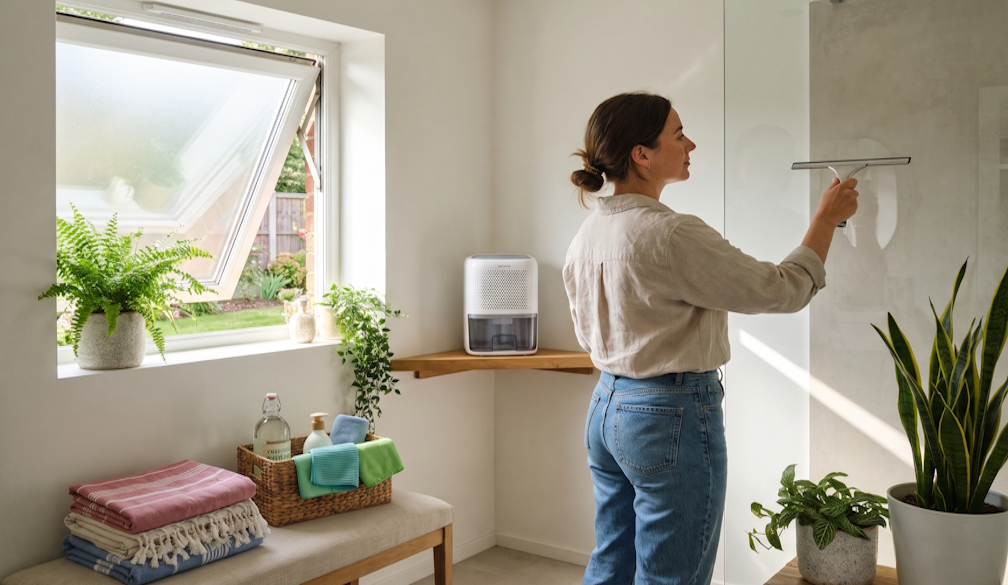
Australians currently spend more than 90 percent of their time indoors. This modern lifestyle heavily amplifies the respiratory risks associated with poor domestic air quality. Nowhere is this challenge more apparent than in the bathroom, where daily showers create a constant cycle of heat and condensation. According to recent Western Australian Health Guidelines, between one-third and one-half of all Australian homes are affected by indoor mould. Managing this moisture is no longer just about keeping tiles looking pristine. It is a vital component of maintaining a safe, breathable residential environment.
The Hidden Impact of Bathroom Humidity
Damp, poorly ventilated residential environments carry significant health implications. Data from Asthma Australia notes that over 2.8 million Australians live with asthma, a respiratory condition directly linked to prolonged exposure to fungal spores. The Healthy Housing Centre of Research Excellence estimates that at least one-quarter of Australian households suffer from dampness. This creates an under-recognised national burden of respiratory and cardiovascular disease that stems directly from our living spaces.
The problem is particularly widespread in older or poorly maintained properties across the country. A 2024 large-scale housing audit by La Trobe University revealed that less than 40 percent of Victorian rental properties met minimum housing standards. Dampness and bathroom mould were cited as the primary compliance failures. Catching the problem early is crucial for both tenants and homeowners. The best defence involves improving airflow and having a highly effective bathroom mould cleaner on hand to treat stubborn spores before they can spread across grout and silicone lines.
Upgrading Ventilation to Meet Modern Standards
The building industry has recognised the growing issue of moisture entrapment in modern airtight homes, often referred to as sick building syndrome. To combat this, the National Construction Code (NCC) has progressively tightened its Condensation Management framework to ensure better airflow. As homes become better sealed to improve energy efficiency, they inadvertently trap more internal moisture.
Under recent NCC updates enforced in mid-2024, bathroom exhaust systems must now discharge moisture directly to the outside. Previously, many systems simply vented damp air into enclosed roof spaces, which only relocated the condensation problem. Furthermore, upcoming NCC 2025 provisions will introduce mandatory drained and ventilated external wall cavities for cooler Australian climate zones. This change is designed to prevent hidden structural condensation in regions that experience severe winter chills. In response to these health insights, state tenancy reforms have also shifted. Recent updates to the Victorian Residential Tenancies Act now legally require landlords to urgently repair dampness and mould caused by structural building defects.
Understanding the Mechanics of Condensation
To effectively combat bathroom dampness, it helps to understand how condensation forms. When warm, moisture-laden air from a hot shower meets cold surfaces like mirrors, windows, or tiled walls, the air cools rapidly. This sudden drop in temperature forces the air to release its suspended water vapour, turning it into liquid droplets. If left unmanaged, this persistent surface moisture provides the perfect breeding ground for fungal spores. Over time, the moisture seeps into porous materials like grout and untreated timber, causing permanent aesthetic and structural damage.
Smart Strategies for Mould Prevention and Removal
Maintaining a healthy bathroom requires a combination of good daily habits and the right cleaning approaches. While traditional chemical bleaches often only mask the dark pigmentation of mould, modern natural remedies actively deactivate the structural roots of common household variants like Aspergillus and Penicillium.
Here are several practical ways to combat bathroom dampness and keep fungal growth under control:
- Harness the power of essential oils: Plant-derived oils provide a crucial dual-action strategy for highly humid areas. Clove essential oil is powered by eugenol, a bioactive compound scientifically proven to target fungus cell walls and kill spores at the root. Tea tree oil utilises a potent antimicrobial agent called terpinen-4-ol to break down the protective cell membranes of surface-level fungi.
- Skip the standard household vinegar: Peer-reviewed environmental screening studies have demonstrated that clove oil significantly outperforms traditional household solutions like plain white vinegar when it comes to inhibiting the growth of common environmental air fungi.
- Run exhaust fans longer: Turn on the exhaust fan before you start running the hot water and leave it running for at least twenty minutes after you finish showering. This allows the system adequate time to clear lingering humidity from the room.
- Wipe down wet surfaces daily: Keep a small squeegee in the shower area. Wiping down the glass and tiles immediately after use removes the standing water that airborne spores need to colonise and multiply.
- Monitor indoor humidity levels: Consider placing a small digital hygrometer on your bathroom vanity. Keeping indoor relative humidity below 60 percent is generally recommended to prevent airborne spores from taking hold on damp surfaces.
Creating a healthy bathroom environment does not have to be an endless battle against stubborn grime and damp air. By understanding the building standards that govern home ventilation and embracing scientifically backed natural cleaning methods, homeowners can effectively protect their properties. Simple routine changes, combined with targeted, natural treatments, will keep dampness at bay. This ensures your bathroom remains a clean, comfortable, and safe sanctuary for the whole family.


 Daily Bulletin


