

Looking for a Sapphire Engagement Ring in Melbourne? Start with the Stone
- Written by: Daily Bulletin
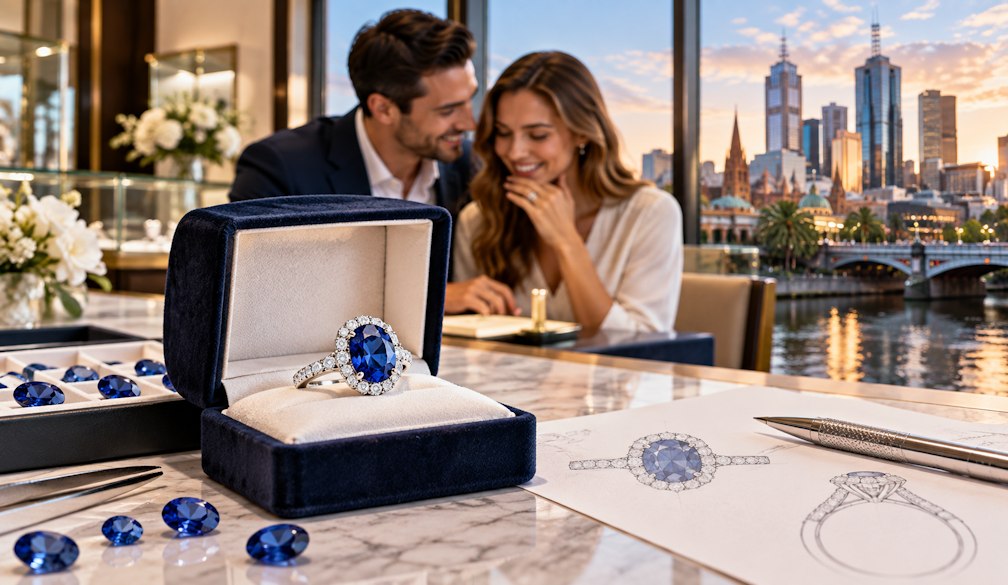
It is easy to begin the search for an engagement ring with the ring itself. You look at settings, save photographs and imagine how a finished piece will look on someone’s hand.
With a sapphire ring, there is another way to begin: find the stone first.
A sapphire has more personality than a colour label or a carat number can convey. One blue sapphire may look bright and open; another may have a deeper, quieter colour. A pink stone might feel delicate, while a violet one changes character as you turn it towards the light. Once you find the sapphire that feels right, the ring can be designed to suit it.
For Melbourne buyers considering a custom engagement ring, that small change in order can make the whole process more personal.
The centre stone sets the direction
Think of the sapphire as the starting point for the design. Its colour may suggest a metal. Its outline may inspire the shape of the setting. Its proportions may determine whether the ring looks best as a simple solitaire or with stones on either side.
An elongated oval, for example, creates a different impression from a compact cushion. A round sapphire brings a balanced outline. Even within one shape, individual stones vary in length, width, depth and the way they reflect light.
Choosing the sapphire first lets you design around the actual gemstone, rather than searching for a stone that happens to fit a ring you have already chosen. A jeweller can use its precise measurements to plan how it will sit and how the setting will hold it.
Start with the colour that feels like them
There is no requirement that a sapphire engagement ring be blue. Sapphires come in pink, yellow, violet, purple and other colours too. If you are choosing a ring for someone else, consider the colours they reach for in their clothing and jewellery. Do they love bold, saturated shades or softer ones?
If blue is their favourite, look beyond the word “blue” in a listing. Compare stones side by side where possible. One might have a lighter, lively appearance; another might be richly coloured but look quite dark indoors. Neither is automatically the right choice. What matters is the colour they would enjoy seeing every day.
GIA identifies colour as the most important sapphire quality factor, while noting that a pleasing stone should retain brightness rather than becoming overly dark.
If you cannot view a stone in person, ask for a video of that specific sapphire turning in indirect daylight and normal indoor light. A single studio photograph may not show its full character.
Let the stone’s size work for the design
A one-carat sapphire does not have one fixed appearance. Carat measures weight, and some of that weight sits in the depth beneath the visible top of the stone. Ask for its measurements in millimetres—length, width and depth—so you can understand how it may look in a ring.
Those measurements also help your jeweller. A deep sapphire may require a different setting height from a shallower one. A broad cushion and a slender cushion of the same weight will need settings shaped for their individual outlines.
Before buying, picture the ring on the wearer’s hand. Would they enjoy a prominent centre stone, or prefer something quieter and easier to wear? A realistic hand photograph or an appointment to see the loose sapphire can help far more than a highly magnified product image.
Consider their daily life
Sapphire is a durable gemstone and a good candidate for a ring worn often. It ranks 9 on the Mohs scale of scratch hardness and has excellent toughness, according to GIA. Still, an engagement ring is more than its centre stone: its setting needs to suit how the wearer lives.
Someone who frequently works with their hands may prefer a lower setting with a smooth profile. Someone who enjoys a more dramatic look may love a raised centre stone. Prongs can reveal more of the sapphire; a bezel surrounds its edge with metal and creates a different appearance.
Tell the jeweller about the wearer’s routine before settling on a design. Ask how the stone will be secured, whether the setting could catch on clothing, and how a wedding band might sit beside it. GIA notes that both setting style and construction affect a ring’s durability.
Set a budget for the whole ring
When a particular sapphire catches your eye, it can be tempting to spend your entire budget on it. Before committing, ask what the finished ring will cost.
The total may include the loose gemstone, precious metal, design work, side stones and the labour involved in making and setting the piece. A more detailed design will have different costs from a simple solitaire. Knowing the complete picture lets you decide where you most want to invest.
If the sapphire’s colour is what you love, you might choose a simpler setting that keeps attention on it. If an intricate ring is central to your vision, you may decide to leave more room in the budget for craftsmanship. There is no formula—just a choice worth making deliberately.
Understand the sapphire you are buying
Ask whether the sapphire is natural or laboratory-grown and whether it has been treated. A natural sapphire may be heat-treated, so “natural” and “unheated” should not be treated as interchangeable terms.
For a significant purchase, request any accompanying independent gemological report. Compare its number, measurements and description with the stone for sale. Check what it says about identity and detectable treatments. If Sri Lankan origin matters to you, see whether the report includes an origin opinion; not every identification report does.
The report is part of an informed choice. It does not tell you whether a particular blue is the one your partner will love or whether the cut looks lively to your eyes. Take time with both the documentation and the stone itself.
Bring the jeweller into the process early
If you are buying a loose sapphire from one seller and commissioning the ring from another, speak to your jeweller before the design is finalised. Share the stone’s measurements and report, then arrange for them to inspect the actual gemstone.
Ask whether the stone’s shape and depth suit the ring you have in mind. Check who will be responsible for it while it is being set and how it will be handled. Read the loose-stone return terms before any setting work begins, since altering a gemstone can affect change-of-mind options.
These conversations may feel less exciting than choosing a colour. They are what help turn a beautiful stone into a ring that feels secure, comfortable and thoughtfully made.
Begin your search in Melbourne
At Ceylon Crown, we offer loose sapphires for people who want to begin with the gemstone and consider a bespoke piece around it. Our Melbourne location in Burwood is by appointment, so you can contact us to discuss the colours and shapes you have in mind. Selected sapphires include laboratory documentation; ask about the report for the individual stone you are considering.
You do not need to arrive with a complete ring design. A colour preference, a budget and a little knowledge of the wearer’s style are enough to start a conversation.
The setting will matter. So will the metal, the details and the way the finished ring feels on the hand. But first, find the sapphire that makes you pause. That is often where the most personal ring begins.

 Daily Bulletin


