

What to Consider Before Installing a Built-In Wardrobe
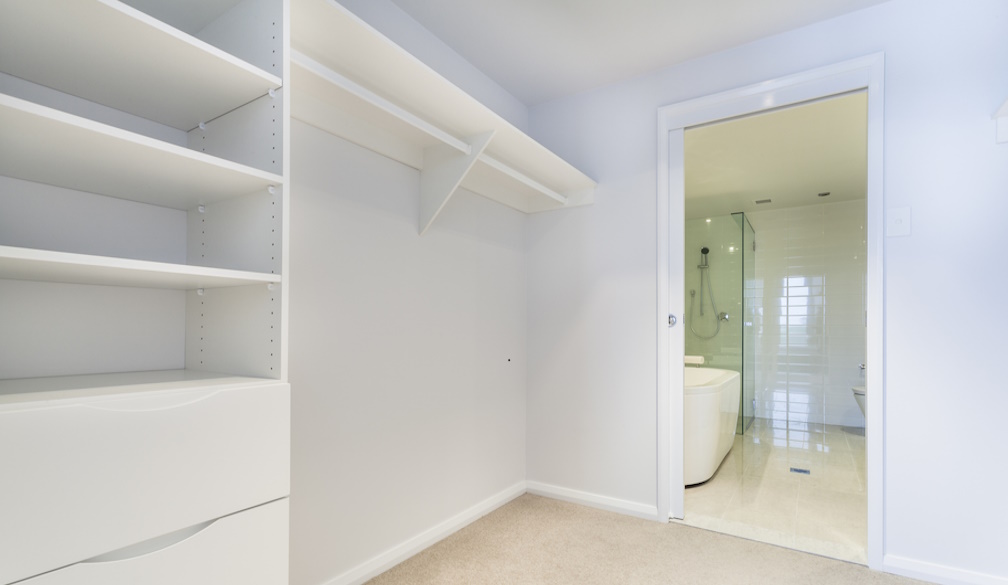
Living in a modest home teaches you a lot. You learn how to keep a small kitchen tidy, where to hide the clutter when guests are coming and how to get the living room looking decent at short notice. After a few years of this, it's understandable if you're tired of squeezing things into whatever space is left. So if you've decided to put money into a proper built-in wardrobe, it's worth taking the time to plan it well.
Most wardrobe problems are easier to solve before the wardrobe is built. Doors, colours and handles tend to get the most attention, but how much you enjoy using the wardrobe each day comes down to three things. These are what you need to store, the room it has to fit into and the small details that make it easy to use. Here's how to think through each one before you call an installer.
Decode Your Storage Needs
Start With What You Own
Before you look at door styles, have a good look at what the wardrobe needs to hold. Work out roughly how much of your clothing needs hanging space and how much of it is long, such as coats or dresses. Some people like to fold knitwear and casual clothes into drawers, while others hang almost everything. Count your shoes, and think about where bags, jewellery, suitcases and spare bedding will go. It's worth checking whether anything stored in other parts of the house should move into the new wardrobe as well.
Houzz Australia's wardrobe planning guide suggests starting here, by working out what needs to be stored and who will be using the space. The rest of the design follows on from those answers.
Think About Who Will Use It
If two people are sharing the wardrobe, it helps to give each person their own section. Height and reach are worth thinking about too. Shelving that suits a tall adult can be awkward for a shorter partner, a child or someone who finds bending or stretching uncomfortable.
A simple way to set it up is to keep the things you use every day in the easiest spots to reach. Items you use now and then can sit a little higher or lower, and the top shelves can hold seasonal clothes and things you rarely need.
Plan for the Years Ahead
A built-in wardrobe usually stays put for many years, so think a little beyond what you own right now. Kids grow up, partners move in, work clothes change and most people end up with more shoes over time. Adjustable shelves or a bit of extra hanging space can help the wardrobe keep up as your needs change.
The Room It Has to Fit
Measure the Whole Space
Built-in storage relies on accurate measurements, and the wall itself is only one part of it. Measure the ceiling height, the width of the wall and how much depth you have to work with. Then make a note of anything that could get in the way, such as skirting boards, windows, doors, power points, light switches, air-conditioning vents, odd corners or a sloping ceiling.
Houzz Australia recommends noting these before the layout is planned. It's much simpler to design around a light switch or vent at this stage than to discover it during installation.
Allow Enough Depth
Clothes on standard hangers need enough room to hang without rubbing against the doors. As a general guide, a wardrobe depth is commonly around 600 to 650 mm including doors. This is a useful starting point, but the right depth for you will depend on the door type, the fittings inside, the walls and the clothes you're storing.
Choose Doors That Suit the Layout
Sliding and hinged doors each have their place, and the right choice depends on your room. Sliding doors make sense when there isn't much space between the wardrobe and the bed, bedside tables, a desk or a walkway. Hinged doors suit rooms with more space in front, and they let you see more of the wardrobe when they're open.
Have a look at the rest of the room while you decide. A door might fit on the plan but still be annoying to live with if it opens into the side of the bed, blocks a window or catches on the curtains. If you're working with a smaller bedroom, our guide to wardrobe storage in smaller bedrooms has some helpful ideas.
The Features That Make It Easy to Use
Design the Inside Around Your Habits
The inside of the wardrobe has a much bigger effect on your routine than the doors do. Freestanding wardrobes come in set sizes, whereas custom built-in wardrobes can be planned around your wall space, ceiling height and the way you like to store clothes, shoes and accessories.
That gives you the chance to choose the mix that suits you. You might want a combination of single, double and long hanging, some drawers for folded clothes and adjustable shelves for jumpers and bags. Shoe racks, overhead space for luggage and small compartments for jewellery or belts can be added as needed.
If you mostly wear shirts and trousers, your layout will look quite different from someone who stores long dresses and a big shoe collection. It's best to plan the interior around the person who'll be using it every day.
Decide on Lighting Early
Lighting inside the wardrobe makes deep shelves and darker corners much easier to use. If you'd like it, mention it early so the designer can plan where the lights, switches or sensors will go and check whether your existing power points are in a good spot.
If the lighting needs new wiring, keep in mind that in NSW, electrical wiring work has to be done by a licensed electrician or under their supervision, no matter how small the job is.
Choose Finishes Last
Once you're happy with the layout, you can move on to how the wardrobe looks. Neutral colours, timber-look finishes, mirrored panels, matte or gloss surfaces, door profiles and handles all change the feel of the room. Try to pick finishes that suit the rest of your bedroom so the wardrobe looks like it belongs there.
Talk to a Local Wardrobe Maker Before You Order
We hope it's now clear that a bit of thought before installation gives you much more control over how your wardrobe looks, fits and gets used for years to come. Small issues, like a door that hits the bed or a power point hidden behind a panel, are much easier to sort out during the design stage.
As you're about to spend time and money on this build, take a moment to settle your answers on storage, the room and the finer details. Then sit down with a local wardrobe maker. Their team can measure the space properly, pick up things like uneven walls or tight door clearances, and talk you through the options that suit your home and routine. Going in with a clear idea of what you need can save you a lot of hassle and money.
Good luck with your build!


 Daily Bulletin


