

Why European Vehicles Demand Specialised Maintenance on Australian Roads
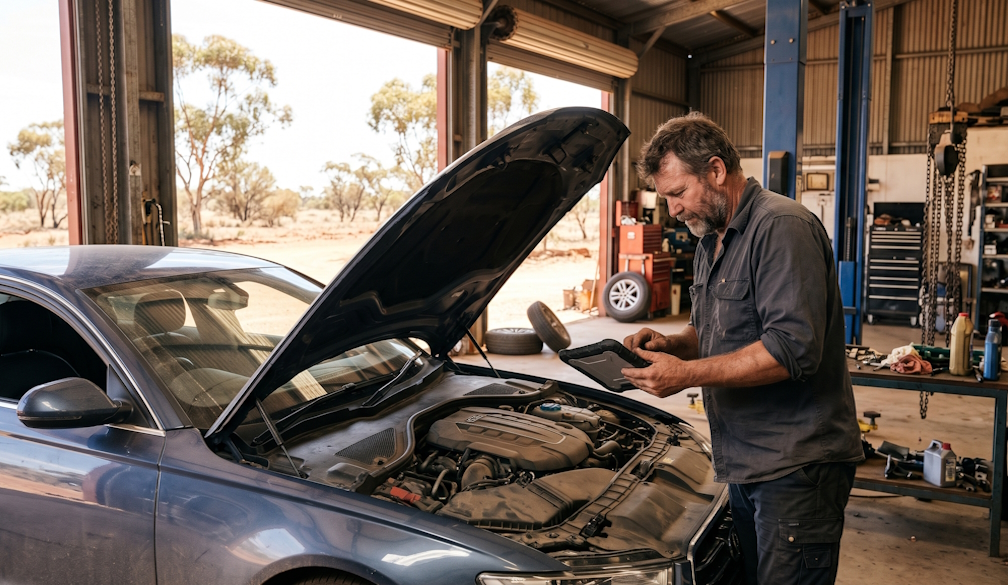
European cars, encompassing premium brands like BMW, Audi, Mercedes, and Volkswagen, are highly sought after for their precision engineering, advanced safety technology, and unparalleled driving comfort. From navigating congested city streets in Sydney to embarking on long-distance coastal drives, the versatility required from these vehicles is immense. However, operating a high-performance imported vehicle in Australia presents a surprisingly unique set of mechanical challenges. The unforgiving local climate and specific market conditions mean that standard factory maintenance routines often fall short. To keep a luxury vehicle running at its absolute best, local owners must understand exactly what their car is up against on a daily basis.
The Hidden Impact of Local Fuel Quality
One of the most overlooked factors affecting European cars is the baseline quality of Australian petrol. Historically, Australian 91-octane unleaded fuel has permitted up to 150 parts per million of sulfur. To put that into perspective, this is drastically higher than the strict 10 parts per million limit consistently enforced across Europe. Even with recent legislative adjustments, including a temporary easing of standards in March 2026 that legally allows up to 50 parts per million in premium grades, the elevated sulfur content poses a serious ongoing risk to sophisticated engines.
Dirty, high-sulfur fuel can severely interfere with delicate emissions control systems. It is known to cause premature wear on catalytic converters, Diesel Particulate Filters, and highly sensitive oxygen sensors. The issue is so pronounced that some European manufacturers have previously been forced to de-tune the engines of their imported models just to prevent internal damage and ensure operational reliability.
To combat the internal acidification caused by high-sulfur fuels, these engines strictly require highly specific Low SAPS (low sulfated ash, phosphorus, and sulfur) engine oils to protect wear additives. For local drivers, entrusting maintenance to a highly equipped independent workshop like Bavarian Service Centre ensures that the correct fluids, filters, and diagnostic procedures are used to prevent long-term damage and keep engines running efficiently.
Environmental Stressors on Precision Parts
Beyond fuel variances, the Australian environment itself is notoriously harsh. When a car engineered for the Autobahn encounters corrugated rural roads and sweltering summer afternoons, standard maintenance intervals must be adjusted accordingly. The extreme heat, high humidity, and heavy ambient dust levels place immense pressure on tightly packed engine bays that were originally designed for much milder, cooler European climates.
To prevent sudden breakdowns and avoid expensive repairs, owners should be aware of several critical environmental wear points:
- Cooling System Strain: The intense summer heat necessitates far more frequent inspections of water pumps, thermostats, and radiator caps than standard baseline European logbooks might suggest.
- Material Degradation: Australia's harsh UV exposure and high ambient heat aggressively accelerate the breakdown of rubber hoses, drive belts, and plastic engine components, making proactive replacement vital.
- Accelerated Fluid Breakdown: Operating in these demanding conditions causes essential automotive fluids to degrade much faster. Brake fluids and specialised European coolant chemistries often require complete flushing every two years to prevent moisture absorption and internal corrosion.
- Dust and Filtration: High dust levels and airborne particles on local roads dictate much stricter service intervals for engine air filters and cabin pollen filters. Failing to replace these can lead to clogged climate control systems and severely reduced engine efficiency.
Navigating Modern Software and Electrification
The Australian automotive landscape is shifting at a rapid pace. In 2025, the local market surpassed 1.24 million annual sales, highlighted by a massive 130 percent year-on-year increase in plug-in hybrid electric vehicles. Premium European automakers have heavily championed this advanced drivetrain technology, but these complex hybrid systems require highly specialised diagnostic capabilities.
The introduction of the Motor Vehicle Information Scheme has revolutionised the right-to-repair in Australia. This mandatory legislation requires global car manufacturers to share technical service, diagnostic, and repair data with independent workshops at a fair market value. However, accessing the safety-critical software needed for modern high-voltage and hybrid systems remains strictly regulated.
Under this scheme, independent mechanics must undergo a rigorous identity verification process to legally access the diagnostic software required to service these advanced propulsion systems. This stringent check ensures that only fully qualified and verified technicians are handling the sophisticated, high-voltage networks found in modern European imports.
Owning a luxury European vehicle in Australia offers an exceptional motoring experience, provided the car receives the meticulous level of care it was designed for. Regular logbook servicing is simply the baseline. True preventative maintenance requires a deeper understanding of how European engineering interacts with the Australian landscape. By staying highly proactive about fuel quality impacts, climate stressors, and essential software updates, drivers can avoid sudden breakdowns and costly part replacements. Choosing a qualified, specialised workshop that understands these unique local variables is ultimately the most effective way to protect your automotive investment.


 Daily Bulletin


