

DIY Rodent Control Vs Professional Help: When Is It Time To Call The Experts?
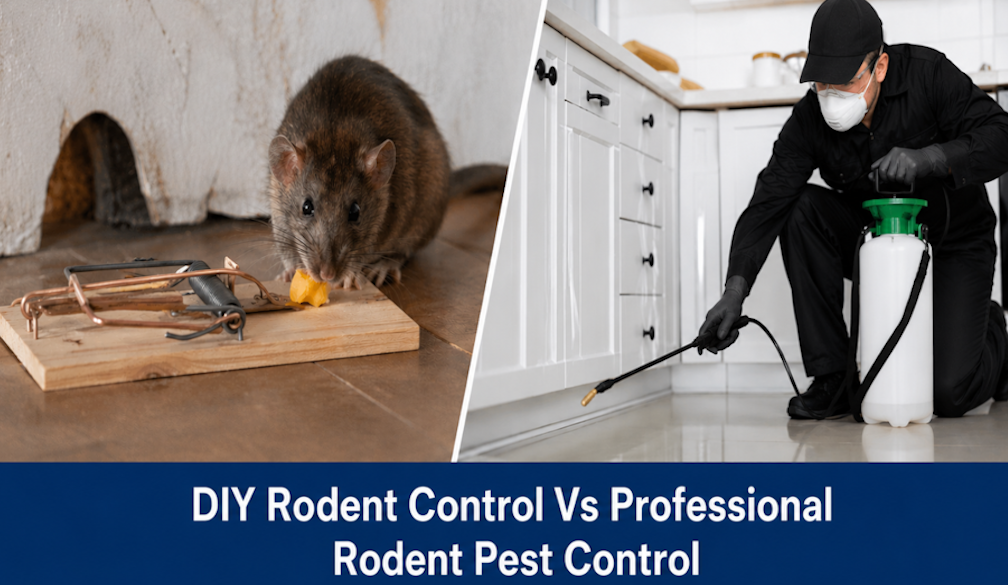
Rodents are one of the most frustrating pest problems for Australian property owners. Rats and mice can squeeze into small spaces, contaminate food, damage belongings and multiply quickly. It often starts with a few droppings in the pantry or scratching sounds in the roof, but the problem can escalate faster than many people expect.
Because of this, many people turn to DIY solutions first. Setting traps, sealing gaps and using store-bought products may seem like a practical and cost-effective approach. While these methods can sometimes help, they do not always solve the underlying issue.
Why Rodents Are Difficult To Eliminate
Rats and mice are highly adaptable creatures. They can survive in homes, offices, warehouses and outdoor areas by finding access to food, water and shelter. They are also excellent at hiding.
A major challenge with rodents is their breeding cycle. A small infestation can quickly become a much larger problem if it goes unnoticed. Rodents often build nests in roof cavities, wall spaces, under floors and behind appliances, making them difficult to locate and remove.
They are also mostly active at night, which means people may not realise the extent of the infestation until there are visible signs of damage or increased activity.
Common DIY Methods People Try
When people notice signs of rodents, they often take immediate action using DIY methods. The most common options include snap traps, bait stations and natural deterrents such as peppermint oil.
Some property owners also try to remove food sources by storing food properly, cleaning regularly and decluttering storage areas. Others seal visible gaps around doors, windows and pipes to reduce entry points.
These steps can certainly help reduce the conditions that attract rodents. They may also slow the growth of an infestation and provide some early control.
The Benefits Of DIY Rodent Control
DIY methods have some practical advantages. They are generally affordable and can be implemented straight away without needing to book an appointment.
For minor rodent activity, traps and preventative measures can sometimes help monitor the situation and catch individual rodents before the problem becomes more serious. Simple actions such as improving cleanliness and reducing access to food can also make a property less attractive to pests.
For these reasons, DIY methods are often a useful first step, particularly when there are only early signs of activity.
The Limitations Of DIY Methods
While DIY solutions can be helpful, they often have limitations. One of the biggest challenges is determining the true size of the infestation. Seeing one rat or mouse does not necessarily mean there is only one present.
Rodents frequently nest in hidden areas that are difficult to access. Store-bought products may address some visible activity, but they often fail to reach nesting sites or seal all entry points.
There are also safety considerations. Incorrect use of baits and traps can create risks for children and pets. In some cases, unsuccessful treatment attempts allow rodents to continue breeding and cause further damage.
DIY methods are generally better at managing symptoms than completely removing the source of the problem.
Signs It Is Time To Consider Rodent Pest Control
There are several warning signs that suggest professional intervention may be necessary.
Repeated sightings of rats or mice usually indicate that the infestation is becoming established. Persistent droppings, scratching noises in walls or ceilings, and unpleasant odours can also indicate hidden nesting activity.
Chewed electrical wiring, damaged packaging and shredded materials used for nesting are additional indicators that rodents are actively living within the property.
If you have tried DIY methods and continue to notice signs of activity, it is often a sign that the problem requires a more comprehensive approach.
The Advantages Of Professional Treatment
Professional pest technicians understand rodent behaviour and know where infestations are likely to develop. They can carry out detailed inspections to identify nesting areas, entry points and contributing factors that may otherwise be overlooked.
Treatment plans are generally tailored to the specific level of infestation and property type. This approach allows for more targeted solutions and better long-term outcomes.
Professionals also provide advice on prevention strategies to reduce the risk of future infestations. Rather than focusing only on visible rodents, professional treatment aims to address the broader problem and create a more sustainable solution.
Rodent Prevention For Homes And Businesses
Prevention remains one of the most effective ways to reduce the likelihood of rodent problems. Storing food securely, disposing of rubbish properly, and removing unnecessary clutter can make a significant difference.
Regular inspections can also help identify potential entry points and signs of activity before infestations become severe.
For homeowners, residential pest control services can assist in identifying vulnerabilities around the property and implementing effective prevention strategies. Businesses also have unique challenges because rodents can affect hygiene standards, damage stock and impact customer confidence. In these situations, commercial pest control services can help maintain a cleaner and safer environment.
Conclusion
DIY methods can help with early signs of rodent activity and are useful for prevention. However, rodents often hide in hard-to-access areas and can multiply quickly. If the problem persists or keeps returning, professional treatment is usually the most effective way to eliminate the infestation and prevent further damage.


 Daily Bulletin


