

How Can the Right Insurance Protect Your Food Truck Business on the Road?
- Written by: Daily Bulletin
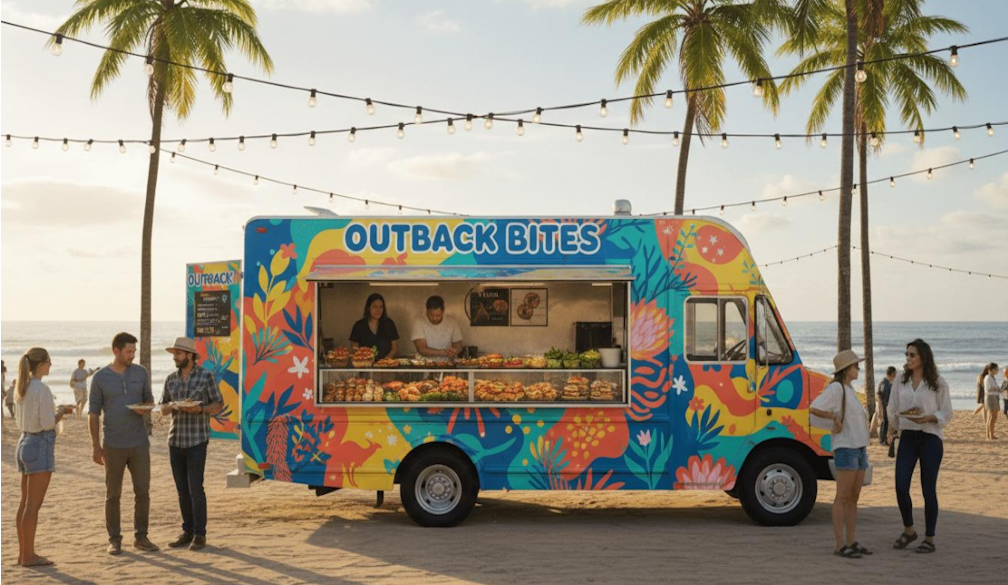
The food truck Insurance in Australia has grown quickly in the last ten years, and it's easy to see why. Food trucks bring creativity, convenience, and bold flavours right to the streets. They do this through busy night markets, weekend festivals, early-morning coffee runs, and late-night street food.
But there is a mobile business working in a dangerous place behind every hot grill, handmade coffee, and happy customer. That's where Food Truck Insurance comes in.
After more than 25 years of providing insurance for cafés, restaurants, bars, and hotels, it was only natural for them to move into Food Truck and Food Trailer Insurance. Food trucks may be on wheels, but they face just as many, if not more, risks as traditional brick-and-mortar businesses.
It should be properly insured if it cooks, steams, fries, grills, serves, or sizzles on wheels.
Quick, tasty, and fun... But Not Without Risk.
People say that food trucks are quick, fun, and full of character. But running a mobile food business also means dealing with constant movement, changing locations, dealing with the public, and working under a lot of pressure.
Food trucks work in a lot of different places, like public roads and temporary event sites, crowded areas with a lot of foot traffic, and under different weather, surface, and site conditions. They also use gas, electricity, hot oils, and special cooking tools.
Each of these things makes it more likely that accidents, damage to equipment, and liability claims will happen. If you don't have the right insurance, one unexpected event could put your whole business at risk.
On the Road, Making People Smile
People who run food trucks do a lot of different things. They are more than just chefs; they are also drivers, business owners, marketers, and customer service experts.
If you run a fleet of popular food vans, serve tacos at a night market, brew coffee at sunrise, or cater festivals and private events.
With customised food truck insurance, you can focus on what matters most: making great food and giving people unforgettable experiences without always worrying about "what if" situations.
Food truck insurance is a type of hospitality and commercial vehicle insurance that is made just for businesses that sell food on the go. It combines different types of coverage into one policy that covers everything, such as:
- Insurance for business vehicle
- Insurance for public and product liability
- Coverage for equipment and contents
- Protection against business interruptions
What kinds of things does food truck insurance usually cover?
You can customise your policies to fit your business, but comprehensive food truck insurance usually covers a few important areas.
1. Cover for Food Truck and Trailer
This protects your food truck, trailer, or caravan from damage caused by accidents, fire, theft, vandalism, or bad weather. This cover is very important because custom-built or retrofitted vehicles cost so much.
It can be very expensive to fix or replace your setup without insurance, whether it's brand new or a vintage rig that you've carefully restored.
2. Insurance for Public Liability
One of the most important types of insurance for food truck owners is public liability insurance. It protects your business if someone else gets hurt or their property is damaged because of what you do.
A customer slipping near your food truck is a common example
- A hot drink spilling and hurting someone
- Damage to property at a market or event site
Many councils, markets, and event planners will only let you trade if you can show them proof of public liability insurance.
3. Insurance for Product Liability
If someone gets sick or hurt because of the food or drinks you serve; product liability insurance will protect your business.
Claims can still happen even when strict food safety rules are followed. This cover helps keep legal costs and compensation claims in check, which is very important for financial protection.
4. Cover for equipment and contents
Food trucks need a lot of special tools, such as:
- Grills and fryers
- Coffee machines
- Refrigeration units
- Generators and POS systems
5. Insurance for Business Interruption
Business interruption insurance can help pay for lost income and ongoing costs if an insured event forces your food truck off the road.
For small food truck owners who rely on daily sales, this kind of insurance can mean the difference between getting back on their feet after a setback and shutting down for good.
We cover all kinds of food trucks.
Every food truck is different, and insurance should show that. You can get coverage that fits your specific needs, whether you work alone or with a fleet of vehicles.
Trucks for Food
Food trucks come in all shapes and sizes, from small street-food vans to fully stocked gourmet kitchens. They can all be insured.
Food Trailers and Caravans with Upgrades
This includes pop-up trailers, mobile kitchens, and custom caravan conversions made just for serving food.
Themed and Old-School Rigs
Kombis, promo vans, retro builds, and other unique designs are all welcome. These one-of-a-kind cars and trucks often need special care, and having experience in the field makes a big difference.
Coffee Trucks and Trucks for Special Foods
Coffee trucks, pie trucks, seafood trucks, and dessert trucks If it's a tasty business on wheels, it can be covered.
Why Food Truck Insurance Is Important in Australia
Food truck insurance is more than just a way to feel safe; it's often a legal and professional requirement.
Requirements for the council and events
- Public liability insurance is required by most councils, markets, and event planners.
- Insurance for cars
- Following food safety rules
Without enough insurance, it can be hard or even impossible to get permits, make reservations, or find event spaces.
Protection of Money
Food trucks are a big investment in vehicles, equipment, branding, and stock. Insurance protects that investment from unexpected losses and expensive problems.
Credibility in the workplace
Customers, suppliers, councils, and event partners will trust you more if you have the right insurance. It shows that your business is professional and cares about safety and responsibility.
Who Should Get Food Truck Insurance?
Food truck insurance is important for:
- Independent food truck owners
- Coffee van drivers
- Festival and market traders
- Catering and pop-up food businesses
- Fleet operators who manage more than one vehicle
The risks are the same whether you work part-time or full-time, and so is the need for full protection.
In conclusion: Take care of what you've made
Building a food truck business takes a lot of hard work, creativity, and passion from the first idea to the daily grind of serving customers. The right insurance makes sure that one unexpected event doesn't ruin everything you've worked so hard to build.
We have been insuring hospitality businesses for over 25 years. Now we want to use that knowledge to help food trucks and food trailers. This is because we want to support the people who feed Australia one delicious dish at a time.
Food truck insurance should be quick, fun, and full of flavour.
Website url: https://foodtruckinsurance.com.au/

 Daily Bulletin


