

How to Choose the Right Football for Every Level
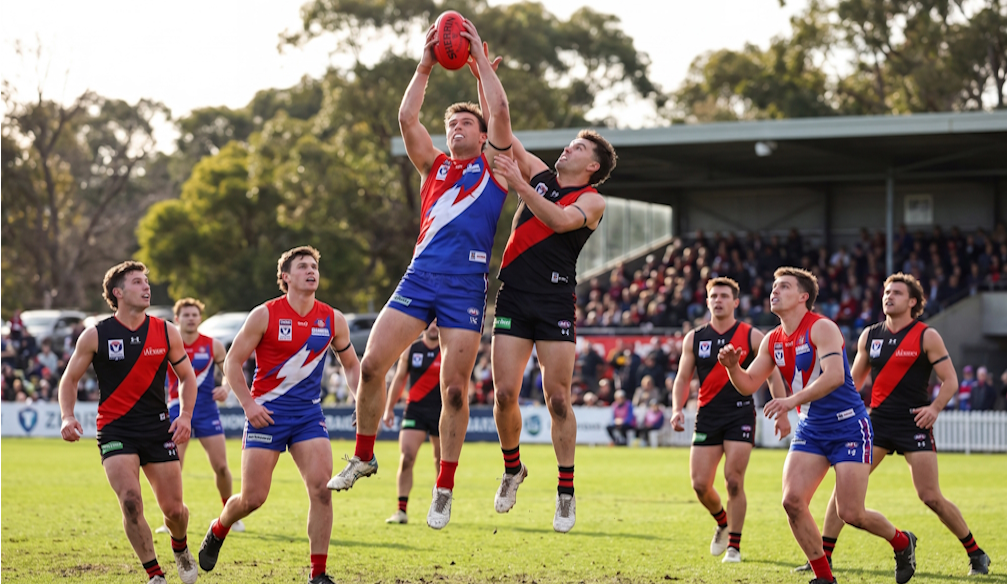
Choosing a football may seem straightforward, but the right option depends on who will be using it and how often it will be played with. In Australian rules football, size, material and construction all influence the user experience. For anyone reviewing Australian-made footballs, it helps to begin with the needs of the player rather than the appearance of the ball.
Size Should Match the Player
One of the most important considerations is football size. Junior players usually need smaller balls that are easier to grip, carry and kick with confidence. Using the correct size helps build sound technique and reduces frustration during training or matches. Older players generally move into larger sizes as their hand strength and kicking range develop.
Match and Training Balls Serve Different Roles
A football used in competition may not always be the best option for everyday drills. Match balls are often selected for feel and performance, while training balls may be chosen for durability and value. Clubs and schools often need a mix of both, especially where footballs are used across multiple sessions each week.
Material Choice Depends on Conditions
Leather footballs are widely recognised for their grip and traditional feel, particularly in match play. Synthetic footballs can be practical for casual use, school settings or adverse weather. The surface and internal structure of the ball also affect how it responds in different ground conditions, which is worth considering for year-round use.
Frequency of Use Matters
A football used once a week by an individual will wear differently from one used daily in team training. This is why buyers often need to think beyond first impressions. Durability, shape retention and seam quality become more important when a ball is expected to handle regular impact over time.
Purpose Helps Narrow the Options
A junior development program, a local club and a casual backyard user may all need very different products. Buying with a clear purpose in mind makes the decision easier. Instead of looking for one football that does everything, it can be more effective to choose one that best fits the setting.
A Practical Approach to Selection
The right football supports skill development, performs consistently and suits the conditions in which it will be used. Whether the priority is structured training, competitive play or junior participation, selecting carefully can improve both the experience of the game and the lifespan of the football itself.


 Daily Bulletin


