

Tree Maintenance Tips for Suburban Properties Across Sydney
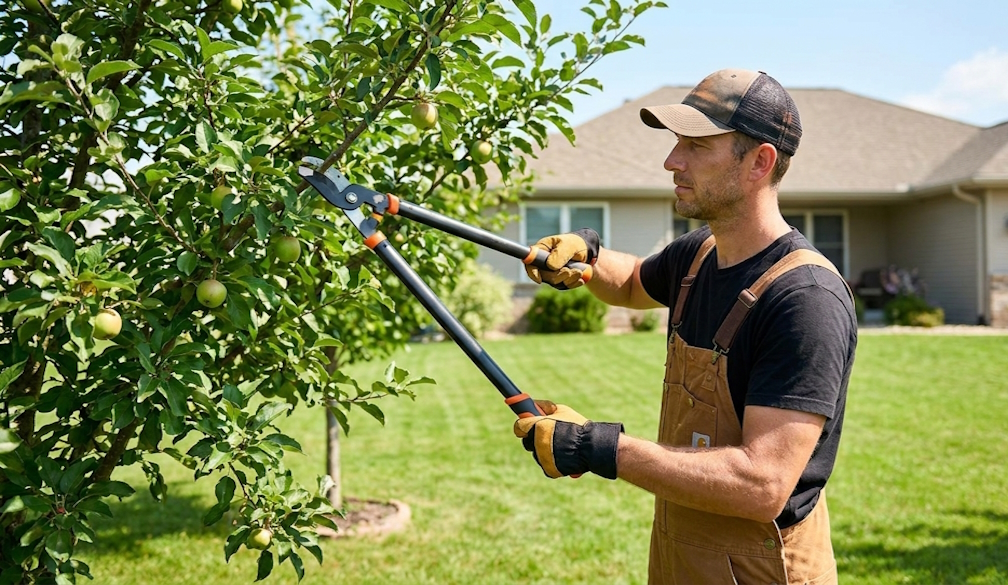
Trees are an important part of suburban life across Sydney, offering shade, privacy, habitat for wildlife and visual appeal. From established eucalypts and jacarandas to smaller ornamental trees, they can make a property feel more settled and inviting. However, trees also need regular maintenance, especially in suburbs where homes, fences, driveways and powerlines are often close together. For homeowners comparing options for tree services Sydney, it helps to understand what good tree care involves before problems become costly or unsafe.
Regular tree maintenance is not only about appearance. It can reduce the risk of falling branches, improve tree health and help prevent avoidable damage during storms or high winds. With Sydney’s mix of coastal weather, hot summers and heavy rain events, a practical maintenance routine can make a noticeable difference to both safety and long-term property value.
Understand the Trees on Your Property
The first step in tree maintenance is knowing what types of trees are growing on your block. Different species have different growth habits, root systems and pruning needs. A fast-growing tree may need more frequent trimming, while a mature native tree may require careful management to avoid unnecessary stress.
Sydney properties often include a mix of native and introduced species. Some trees cope well with local conditions, while others may struggle with compacted soil, poor drainage or limited growing space. Understanding the basic characteristics of each tree can help homeowners make better decisions about watering, pruning and monitoring.
It is also useful to observe how each tree interacts with the property. Branches that overhang roofs, gutters, pathways or neighbouring fences may need attention. Roots close to driveways, retaining walls or plumbing should also be monitored, particularly if there are signs of lifting, cracking or blocked drains.
Keep Pruning Safe and Purposeful
Pruning is one of the most common forms of tree maintenance, but it should always have a clear purpose. Good pruning can remove dead or damaged branches, improve structure, increase light and reduce weight in areas where limbs may be under strain. Poor pruning, on the other hand, can weaken a tree and make it more vulnerable to disease or breakage.
Homeowners can usually manage light pruning on small trees or shrubs, provided the work can be done safely from the ground. Larger trees, heavy limbs or branches near powerlines should not be treated as a do-it-yourself task. Cutting the wrong branch or using incorrect equipment can create serious safety risks.
Timing also matters. Some trees respond better to pruning at certain times of the year. Removing too much foliage during hot weather can expose branches and trunks to sun stress. For flowering or fruiting trees, pruning at the wrong time may affect seasonal growth. A measured approach is usually better than cutting heavily once a tree has become overgrown.
Watch for Signs of Poor Tree Health
Healthy trees usually show steady growth, strong leaf colour and stable branch structure. When a tree begins to decline, early signs can be subtle. Homeowners should look for dead branches, thinning foliage, cracked bark, fungal growth, leaning trunks or cavities in the wood.
Changes around the base of the tree can also indicate a problem. Soil movement, exposed roots, mushrooms, pest activity or pooling water may suggest that the tree is under stress. After heavy rain or strong winds, it is worth checking whether any branches have split or whether the tree appears to have shifted.
Not every sign of damage means a tree must be removed. In many cases, early action can help restore health or reduce risk. However, ignoring visible problems can allow them to worsen over time. This is particularly important in suburban areas, where a failed limb can damage roofs, cars, sheds, fences or neighbouring properties.
Plan for Storms, Growth and Long-Term Safety
Sydney weather can be unpredictable, and trees are often tested during storms, heatwaves and periods of heavy rain. Regular inspections before storm season can help identify weak limbs, dense canopies or structural issues that may become hazardous in strong winds.
Homeowners should also think beyond immediate maintenance. A small tree planted too close to a house, driveway or boundary fence may become difficult to manage as it matures. Choosing the right species and planting location can reduce future conflicts with buildings, pipes and overhead services.
Tree maintenance should be treated as part of broader property care. Clearing fallen branches, keeping gutters free of leaf build-up and checking for overhanging limbs can all reduce risk. For rental properties, strata sites and family homes, documented tree inspections may also support safer property management.
Responsible tree care balances safety, appearance and environmental value. Trees should not be removed unnecessarily, but they should not be left unmanaged when they present clear risks. With regular observation, careful pruning and professional guidance when needed, Sydney homeowners can maintain trees that are healthier, safer and better suited to suburban living.


 Daily Bulletin


