

The good, the bad and the lonely: how coronavirus changed Australian family life
- Written by: Megan Carroll, Senior research officer, Australian Institute of Family Studies
COVID-19 has brought about big changes in Australia and across the world, with much attention focused on the way governments are responding to the health and economic challenges of the pandemic.
Interactions with family and friends have been the focus of many of the public health restrictions and have been identified as a source of spreading infection. Less attention has been paid to the role families and social networks have played in supporting each other through a difficult year.
Findings from the first wave of the Families in Australia Survey have highlighted that Australians still turn to family for support in times of crisis.
The survey of 7,306 respondents, by the Australian Institute of Family Studies, ran from May 1 to June 9 2020, when most Australians were subject to multiple restrictions due to COVID. These forced them to spend more time with some family members, while separating them from others. The survey aimed to provide a better understanding of how Australian families adjusted during the pandemic.
Read more: Lonely in lockdown? You're not alone. 1 in 2 Australians feel more lonely since coronavirus
New ways to connect
While limitations were placed on how families could meet in person, most people talked to family living elsewhere at least as often as before. A good proportion (44%) talked to them more than before. We heard stories of people connecting through new technologies, such as using video calls to share meals, or through more traditional means of sending care packages through the post.
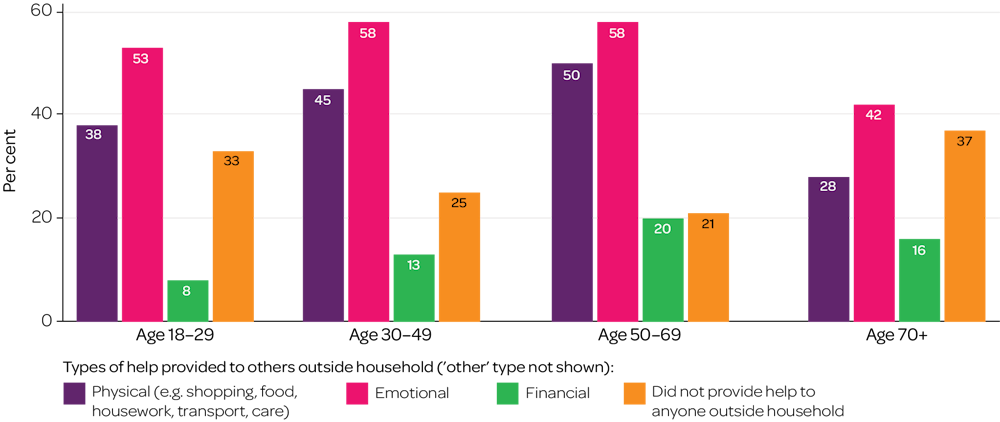
In addition to social connections, family members living elsewhere were the primary source of help for those who needed extra assistance. This help included practical assistance with groceries, errands and other care-giving, as well as financial and emotional support.
 Experiences of connection to family living elsewhere were mixed, with similar numbers reporting feeling more and less connected. For many, sharing lockdown led to an increased level of connection with those in their immediate household.
 Changes to family life
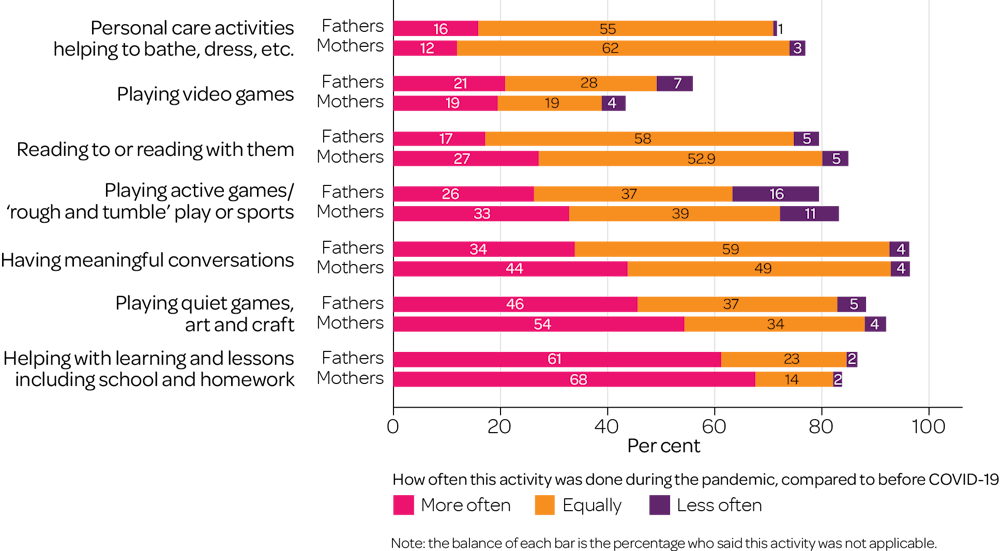
This increase in connection is likely driven, at least in part, by spending more time together. When asked about time spent with children, many parents reported an increase in quality time, playing games, reading to their children and having meaningful conversations.
Changes to family life
This increase in connection is likely driven, at least in part, by spending more time together. When asked about time spent with children, many parents reported an increase in quality time, playing games, reading to their children and having meaningful conversations.
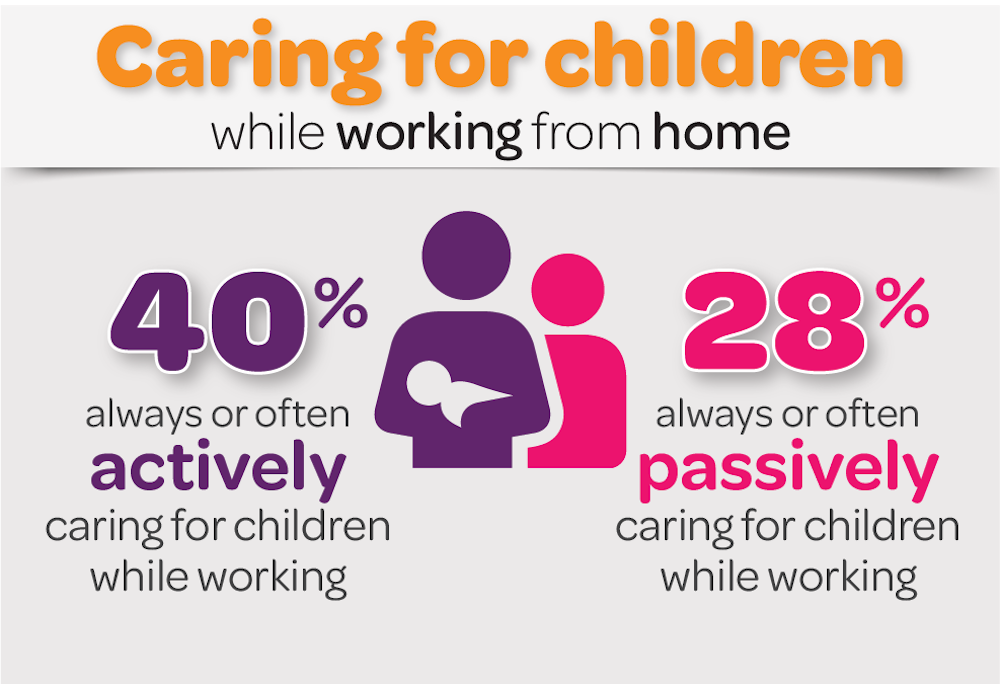
 However, it wasn’t all quality time. Many families had to negotiate shared work spaces and juggling childcare while working from home.
 Financial support from families
The financial impacts of the pandemic have hit some families hard. One in six survey respondents said their family income had reduced a little. Almost a quarter said it had been reduced a lot.
For many families, this resulted in cutting back on non-essential expenses such as take-away meals. While some dipped into savings to make up the shortfall, others reported cutting down on essential expenses like groceries or pausing rent and mortgage payments. More people asked for financial support from family and friends than from welfare or community organisations.
Financial support from families
The financial impacts of the pandemic have hit some families hard. One in six survey respondents said their family income had reduced a little. Almost a quarter said it had been reduced a lot.
For many families, this resulted in cutting back on non-essential expenses such as take-away meals. While some dipped into savings to make up the shortfall, others reported cutting down on essential expenses like groceries or pausing rent and mortgage payments. More people asked for financial support from family and friends than from welfare or community organisations.
 Among those who had not experienced a drop in income, many reported saving money, as they spent less on things like childcare and petrol. While some said they made changes to their savings and investments, financial actions taken as a result of COVID-19 were commonly aimed at helping family members who had a drop in income, and supporting their community by spending more at local businesses.
When asked about their level of concern about their family’s current financial situation, three out of five respondents said they were at least “a little concerned”. Those whose income had reduced as a result of COVID-19 expressed higher levels of concern. Over 70% of respondents said they were at least a little concerned about their family’s future financial situation.
Comments by respondents show their concern was not just for themselves and their partners. They included the financial situation of adult children living at home and family members living elsewhere. While some felt lucky not to have been affected financially by the pandemic, others worried about those who lost their jobs or income, businesses or investments.
Read more:
We asked over 2,000 Australian parents how they fared in lockdown. Here's what they said
Towards COVID normal
With Australia now negotiating “COVID normal”, we need to know more about what types of supports families need, and how to support those who may not have a family they can rely on.
The second wave of the Families in Australia Survey aims to do just that.
If you would like to share your experiences, please go to towardscovidnormal.com.au
Among those who had not experienced a drop in income, many reported saving money, as they spent less on things like childcare and petrol. While some said they made changes to their savings and investments, financial actions taken as a result of COVID-19 were commonly aimed at helping family members who had a drop in income, and supporting their community by spending more at local businesses.
When asked about their level of concern about their family’s current financial situation, three out of five respondents said they were at least “a little concerned”. Those whose income had reduced as a result of COVID-19 expressed higher levels of concern. Over 70% of respondents said they were at least a little concerned about their family’s future financial situation.
Comments by respondents show their concern was not just for themselves and their partners. They included the financial situation of adult children living at home and family members living elsewhere. While some felt lucky not to have been affected financially by the pandemic, others worried about those who lost their jobs or income, businesses or investments.
Read more:
We asked over 2,000 Australian parents how they fared in lockdown. Here's what they said
Towards COVID normal
With Australia now negotiating “COVID normal”, we need to know more about what types of supports families need, and how to support those who may not have a family they can rely on.
The second wave of the Families in Australia Survey aims to do just that.
If you would like to share your experiences, please go to towardscovidnormal.com.au
Authors: Megan Carroll, Senior research officer, Australian Institute of Family Studies


 Daily Bulletin


