

Practical Tips for Better Growth in Home Gardening
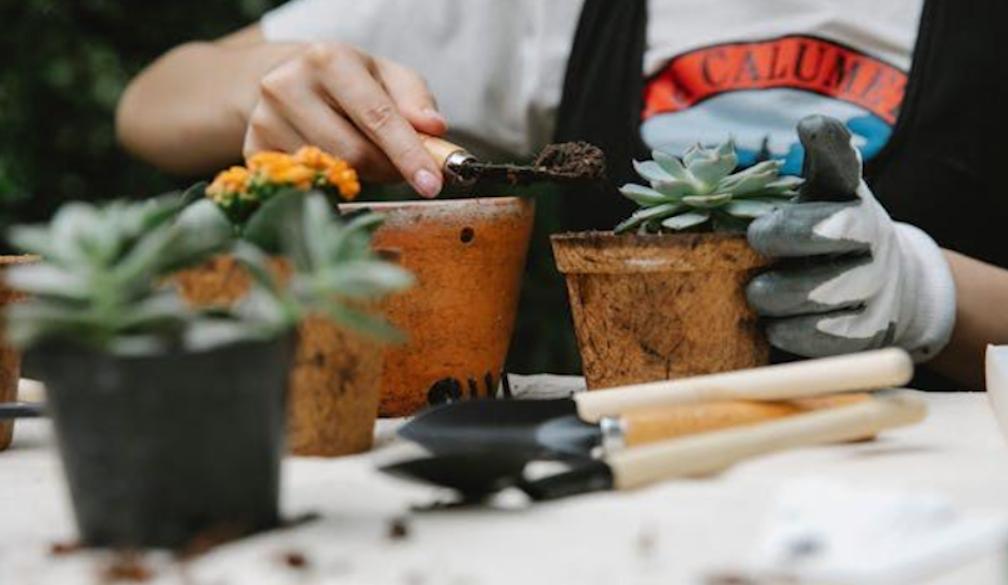
Starting a garden is one of the most rewarding hobbies. You end up with fresh produce or beautiful plants, and you learn something new every day, as you distress while taking care of your creation. But sometimes, our garden misbehaves, and the progress we expected to see rarely shows up. If that’s what you’re dealing with right now, here are some practical tips for better growth.
Stop Overwatering
It’s tempting to drench your plants when you see that they’re getting dry. Dry soil also puts people in panic mode, and then they act quickly, thinking that more water will fix the issue. Sometimes it does, but too much water can do the damage, too. Plants don’t like drowning any more than you do.
If you want to stop giving your plants and soil more water than they need, here’s a simple trick. You can stick your finger into the soil, just a couple of centimetres, to check its condition. If it’s still damp, leave it alone. If it’s dry, then go ahead and water properly.
Give Your Soil a Bit of Love
Your soil is not just dirt. An entire little world full of unexpected inhabitants exists under there. Soil is full of microorganisms that help it remain fertile and full of nutrients. And if they aren’t happy, your plants won’t have enough food and energy to thrive.
So, mix in compost because even a small amount helps. It’s a vital food source for soil microorganisms. Plus, it makes the soil softer, holds water better, and also gives your plants something decent to eat.
Start With High-Quality Seeds
You’d think you’d score a good bargain with cheap seeds, but that’s almost never the case. When the seeds aren’t high-quality, half won't sprout, and the rest will look nothing like what was promised. Lesson learned.
Good seeds make a difference. They germinate better, grow stronger, and save you a lot of frustration. So, whether you’re browsing radish variety or cannabis seeds Australia, pick ones with solid reviews and clear info. It’s worth the extra few dollars. You’re already putting in the effort. Don’t sabotage yourself at the starting line.
Sunlight Isn’t Optional
You can try moving plants around like furniture, hoping they’d cope. They won’t. So, before you even plant anything, think about the sun, and whether the position you choose for your plants will provide enough sunlight.
You should also keep in mind that some native Australian plants like to bask under the harsh sunlight, while others still prefer to enjoy it occasionally. If your plant looks stretched out, it’s probably chasing light, and if it’s drying out fast, it likely needs some more shade.
Don’t Crowd Your Plants Like a Packed Bus
When you plant things too close together, it feels efficient. You think you’re getting more out of the space. What you’re actually doing is starting a quiet war between roots. That’s the last thing you want because if plants are competing for resources, you’ll end up with a garden that will never reach its full potential.
When the garden is dense, airflow gets worse too, which can bring on mould or garden pests. To prevent that, you just need to give them some more room. It might look a bit empty at first, but they’ll grow into it.
Feed Your Plants, but Don’t Go Overboard
Fertiliser is helpful, but it’s not magic juice. More isn’t better. In fact, too much can burn your plants and make things worse. Regardless of what you’re using to feed your plants, you should always start slow. See how your plants respond, and if they’re growing steadily and looking healthy, you’re on the right track.
If you dump heaps of fertiliser, you won’t get what you want. You may hope for explosive growth, but you’ll probably end up with stressed, unhappy plants. Slow and steady wins here, especially if you’re introducing a new fertiliser.
Rotate Your Pots
Plants grow towards the light. Just because they have access to light, it doesn’t mean you should leave them facing one direction all the time. Do that, and they’ll end up leaning awkwardly.
Instead, give your pots a little turn every few days. Just a quarter turn or so will do. It helps them grow more evenly and stops that lopsided look. It’s a tiny habit, but it makes a noticeable difference over time.
Conclusion
Gardening is extremely rewarding. That is why a lot of people believe it requires consistent effort. While that may be true sometimes, good results come from making good choices and avoiding common mistakes. When you combine that with showing up, paying attention, and adjusting on the go, you end up with a functional garden you can be proud of.


 Daily Bulletin


