

Deep Clean vs Regular Clean: How to Choose the Right One
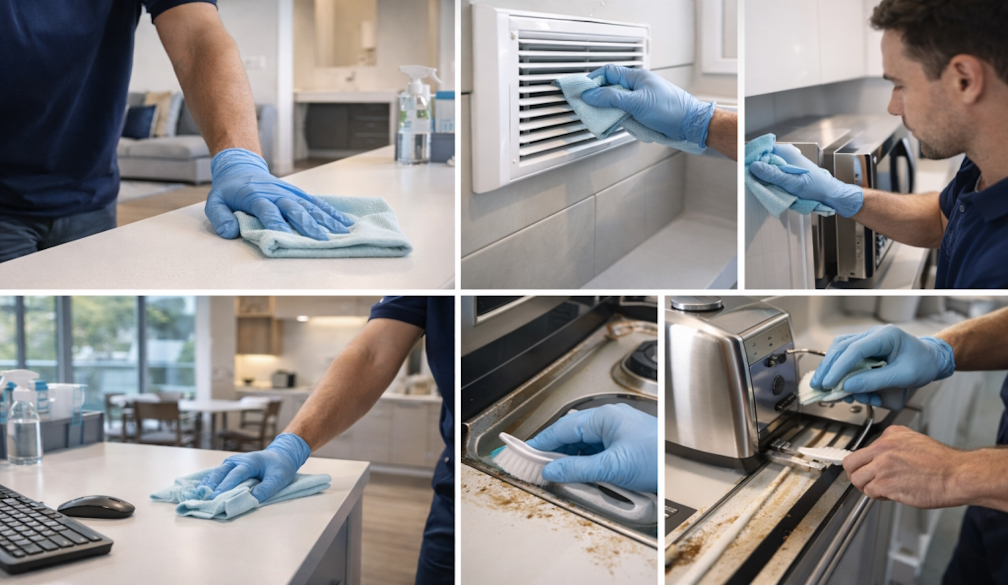
“Regular clean” and “deep clean” can sound like marketing labels, but the difference is practical: one is designed to maintain a home that’s already fairly under control, and the other is designed to reset areas where buildup has accumulated over time. Choosing the right one is less about perfection and more about matching the service to the current condition of your space and how you live in it.
When people compare options like house cleaning services perth, a useful way to think about it is this: regular cleaning keeps surfaces consistently pleasant, while deep cleaning targets the slower-growing grime that standard weekly or fortnightly routines rarely reach.
What a Regular Clean Is Meant to Do
A regular clean focuses on the tasks that make the biggest everyday difference. It’s a maintenance approach that keeps key areas hygienic and visually tidy.
Typical regular-clean focus areas include:
- Kitchen surfaces, stovetop wipe-down, sink clean
- Bathroom sinks, toilets, mirrors, quick shower tidy
- Floors vacuumed and/or mopped
- Dusting visible surfaces
- Emptying bins (depending on provider)
- General straightening of surfaces (light, not decluttering)
Regular cleaning works best when:
- You’re staying on top of clutter
- There isn’t heavy soap scum, grease film, or dust buildup
- You want consistent upkeep rather than a major refresh
What a Deep Clean Is Meant to Do
A deep clean targets the tasks that are easy to ignore until they become obvious. It’s about detail work, buildup removal, and reaching overlooked spots.
Deep-clean tasks often include:
- Scrubbing shower grout, screens, tiles, and taps to remove buildup
- Grease and grime removal in kitchens, including splashback detail
- Skirting boards, door frames, switches, and handles
- Dusting more thoroughly, including edges, corners, and higher surfaces
- Detailed attention around toilets and bathroom crevices
- Spot-cleaning marks on doors or cabinets (within reason)
Deep cleaning is especially useful when:
- It’s been months since a thorough reset
- Bathrooms have soap scum or early mould staining
- Kitchens have sticky or greasy surfaces
- Dust collects quickly or triggers allergies
- You’re starting regular cleaning after a long gap
The Simplest Rule for Choosing
If your home already feels “basically clean” but hard to keep consistent, start with a regular clean.
If your home feels clean in parts but there are clear problem zones (shower buildup, greasy kitchen film, dusty edges, sticky handles), start with a deep clean, then maintain with regular cleans.
A deep clean is often the most efficient first step because it reduces the effort needed in future regular visits with cleaning services perth.
Signs You Probably Need a Deep Clean
You don’t need to overthink it. These are strong signals:
- Bathroom tiles feel dull or rough from soap scum
- Grout lines have darkening that doesn’t shift with a quick wipe
- Kitchen surfaces feel slightly sticky even after you clean them
- Dust returns quickly, especially in corners and along skirting boards
- You notice buildup around taps, drains, and hinges
- You’re embarrassed to have someone pop in unexpectedly
Signs a Regular Clean Is Enough
A regular clean is usually the right fit when:
- Surfaces are easy to wipe and don’t have stubborn residue
- Bathrooms look fine after a quick weekly scrub
- Floors are the main challenge (sand, pet hair, everyday debris)
- You want time back, not a full reset
- You’re already doing some daily or weekly basics
How Often Should You Do Each?
There’s no universal schedule, but common patterns are:
- Regular clean: weekly or fortnightly for ongoing maintenance
- Deep clean: seasonally (every 3–6 months), or whenever buildup starts winning
Homes with pets, kids, heavy cooking, or high foot traffic often benefit from an occasional deep clean even if regular cleaning is consistent.
What to Ask So You Get the Right Scope
Because definitions vary, it helps to confirm scope using plain language.
Ask questions like:
- Which bathroom tasks are included: just a wipe-down, or soap scum and grout detail?
- Are skirting boards, switches, and door handles included?
- Will the kitchen get detail work around splashbacks and greasy buildup?
- Is the clean time-based, checklist-based, or a mix?
- What tasks are excluded unless requested (inside oven, inside fridge, blinds, walls)?
Clarity here prevents the common disappointment where someone expected a reset but booked maintenance.
A Practical Strategy That Works for Most Homes
If you’re unsure, a good default plan is:
-
Book one deep clean to reset the bathrooms, kitchen, and dust hotspots.
-
Follow with regular cleans to maintain the baseline.
-
Add targeted deep tasks every few visits (for example: skirtings one week, shower detail the next).
This approach keeps costs predictable and prevents the home from drifting back to “needs a reset” territory.


 Daily Bulletin


