

How to Judge Great Peking Duck: A Diner’s Checklist
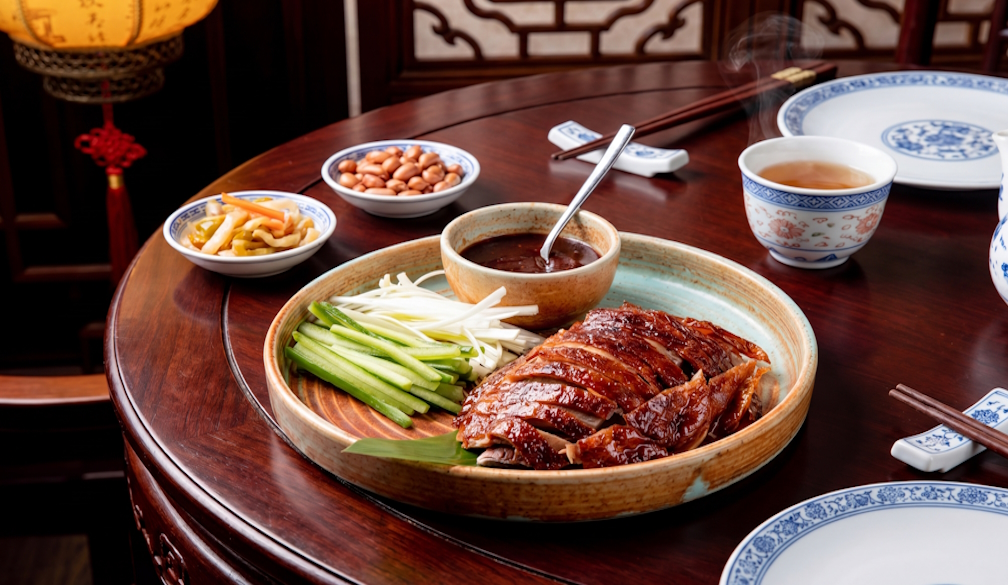
Peking duck is one of those dishes that looks simple on a menu but lives or dies on small decisions made hours before it reaches your table. The best versions feel effortless: glassy skin that shatters, tender meat that stays juicy, and a set of accompaniments that work together instead of fighting for attention. The disappointing versions are usually the result of rushed prep, mismatched heat, or service choices that trap steam where you least want it.
Menu phrasing at a peking duck chinese restaurant often hints at whether the duck is treated as a full, staged service or simply listed as another roast, and that distinction tends to show up in texture, timing, and how the bird is portioned.
If you want a reliable way to judge what you are getting, focus on cues you can see, smell, and feel within the first few minutes.
Start with the skin: color, crackle, and clean fat
Great Peking duck skin should look evenly lacquered, not patchy or pale. You are looking for a deep amber tone with a slight sheen, not a wet gloss. When the first slices land on the plate, the skin should hold its shape rather than collapsing into limp strips.
Texture tells you even more. Crisp skin should crackle when you bite, then melt quickly as the rendered fat warms. If the skin feels leathery, the duck likely did not dry long enough before roasting. If it feels greasy without crunch, the fat may not have rendered fully, or the skin has steamed under a lid or foil.
A subtle cue: good skin tastes clean. It will be rich, but not heavy. If you get an oily, coated mouthfeel that lingers, something in the drying, roasting, or holding process probably went wrong.
Watch the carving: thin slices and clear separation
Carving is not just presentation, it is quality control. Proper carving separates skin-forward pieces from meatier slices, and it keeps thickness consistent so each wrap behaves the same way. When slices vary wildly, you end up with some bites that are all fat and others that are dry.
Look for neat edges and a deliberate pace. If the duck is chopped into random chunks, it is harder to preserve crispness and balance. Thin slicing also helps the skin cool slightly before it hits the pancake, which keeps it snappy instead of soggy.
If you notice a heavy cloud of steam rising as the plate arrives, that can be a sign the duck was covered or held too warm for too long. Crisp skin hates trapped moisture.
Check the pancakes: warmth, flexibility, and thickness
Pancakes should be warm and pliable, with enough structure to fold without tearing. Too thick and they feel doughy, muting the duck. Too thin and they tear, forcing you to overstuff to compensate.
Temperature matters more than people think. Cold pancakes stiffen and crack, and they also cool the duck quickly, turning rendered fat waxy. A good service keeps pancakes warm without making them damp. If they arrive wet or sticky, they may have been over-steamed or held in a way that trapped condensation.
Notice the accompaniments: crisp vegetables and fresh aromatics
The classic set is simple for a reason. Scallions should be bright and snappy, cucumber should be cool and crisp, and nothing should taste like it has been sitting uncovered. These items add crunch and freshness, and they act like a reset button between rich bites.
If the aromatics feel limp, it is a small sign of bigger issues: weak mise en place often correlates with rushed service and less attention to the duck itself. On the other hand, clean, crisp garnishes usually show the kitchen cares about timing.
Sauce balance: sweet, salty, and not too much
Hoisin-style sauce is meant to round out the duck, not dominate it. The right amount adds sweetness and umami, while still letting the roasted skin and fat be the main event. If the sauce is overly sweet or very thick, a little goes a long way.
A useful technique is to treat sauce like seasoning. Spread a thin line, not a puddle. Over-saucing is the fastest path to soggy pancakes and muted skin. If the skin is truly crisp, you should be able to taste it clearly even with sauce and aromatics in the mix.
The second course: how the kitchen uses the rest of the bird
Many places offer a follow-up dish using the remaining meat, often stir-fried or turned into a soup. This is where you learn how well the kitchen respects texture. A good second course tastes integrated, with meat that remains tender and vegetables that stay lively.
If the meat shows up shredded and dry, it can mean the duck was overcooked or held too long before finishing. If it is juicy and lightly sauced, that is a strong sign the initial roast and resting were handled carefully.
A quick checklist to remember at the table
- Skin looks evenly amber and bites with a clean crackle
- Slices are thin and consistent, not chopped irregularly
- Pancakes are warm, flexible, and not wet
- Scallions and cucumber are crisp and fresh
- Sauce is balanced and used sparingly
- Steam is minimal, and the duck does not taste heavy or greasy
When these elements line up, Peking duck feels light on the tongue despite its richness, and each wrap stays crisp to the last bite.


 Daily Bulletin


