

The Financial Habits That Help Small Businesses Scale Smoothly
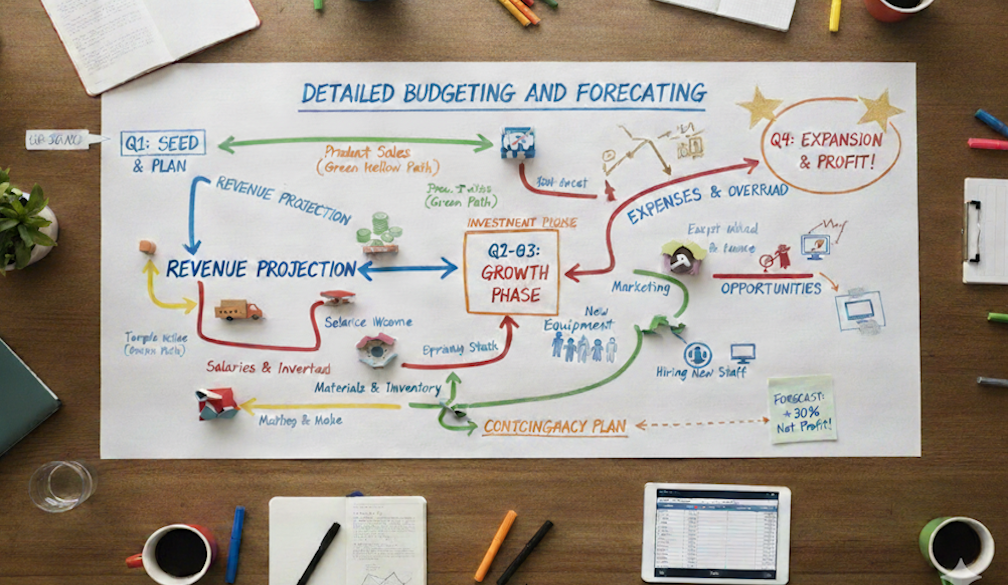
Scaling a small business can feel a bit like renovating while still living in the house. Everything’s moving, the pressure’s on, and you’re trying to keep the day-to-day running while also building something bigger. It’s exciting, but it can get uncomfortable quickly when the financial side hasn’t been given the same attention as sales, service delivery or marketing.
Plenty of businesses grow because the owner is good at what they do, but staying in control during that growth requires different habits. Having support from professionals such as Elevated Accounting can make it easier to put better systems around the business, so decisions aren’t being made from gut feel alone.
Know What Your Numbers Are Actually Telling You
A lot of small business owners know their bank balance, but not necessarily their financial position. Those two things can look similar on a good day, yet they’re very different. A healthy bank balance might be sitting there right before BAS, wages, supplier payments, rent or loan repayments are due, which means it can create a false sense of comfort.
The habit that helps here is regular financial review. Not once a year at tax time, and not only when something feels wrong, but as part of the normal rhythm of running the business. Looking at profit and loss, cash flow, expenses, margins and upcoming liabilities gives owners a clearer view of what’s really happening.
When the numbers are reviewed often, decisions become less reactive. You can see whether a busy month was actually profitable, whether a new service is worth continuing, or whether costs have quietly crept up without anyone noticing.
Separate Growth From Busyness
Small businesses often mistake being busy for scaling well. A full calendar, constant enquiries and a stretched team can all feel like signs of success, but growth only helps if it improves the business rather than just exhausting it.
This is where tracking the right figures matters. Which jobs are most profitable? Which customers take the most time? Which products create repeat business? Which expenses increase every time revenue goes up? These questions can be uncomfortable, but they help owners avoid building a bigger version of a business that already feels strained.
Sometimes scaling smoothly means saying no to work that doesn’t fit, increasing prices, refining services or improving internal processes before chasing more leads. That kind of discipline is easier when the financial picture is clear.
Build Predictable Systems Around Money
Strong financial habits don’t need to be complicated. Sending invoices promptly, following up overdue payments, setting aside money for tax, reviewing subscriptions, reconciling accounts and keeping records tidy can all make a noticeable difference.
The real value is consistency. When these tasks happen regularly, they stop becoming emergencies. Staff get paid on time, suppliers are easier to manage, tax obligations feel less intimidating, and the owner spends less time trying to reconstruct what happened three months ago.
Good systems also make it easier to get useful advice. If the records are current and accurate, an accountant can help with planning, structure and strategy rather than simply cleaning up the past.
Scaling Feels Better When the Finances Keep Up
A small business doesn’t need to become overly corporate to grow well, but it does need financial habits that match its ambitions. The more moving parts there are, the more important it becomes to understand cash flow, profitability and future commitments.
With clear systems and regular attention to the numbers, scaling becomes less chaotic. The owner can make decisions with more confidence, the business can absorb growth more comfortably, and success starts to feel sustainable rather than constantly stressful.


 Daily Bulletin


