

Can Tony Abbott Rebuild the Liberal Party? Supporters Say the Coalition Needs a Proven Fighter
- Written by: Daily Bulletin
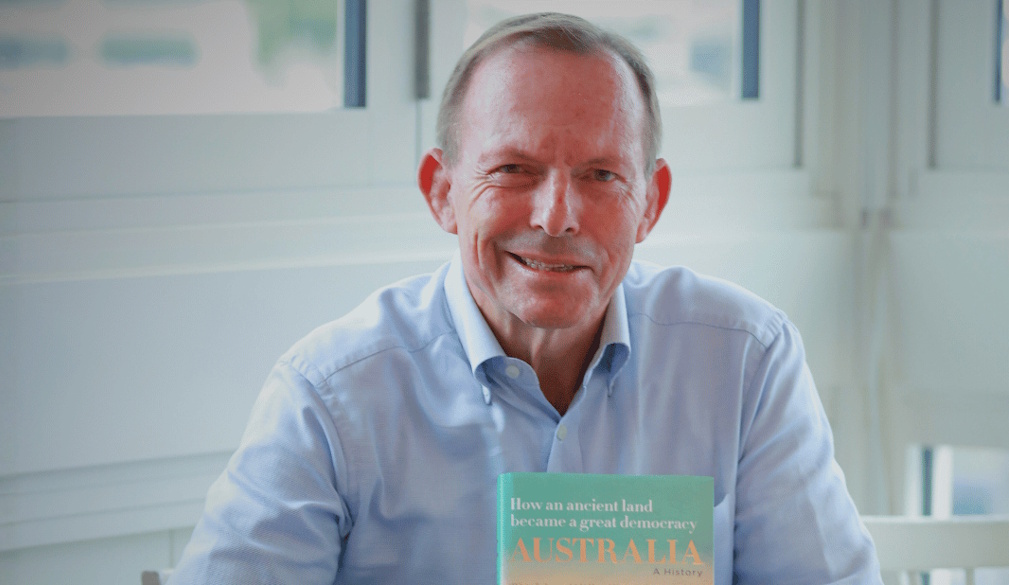
Australia’s Liberal Party is facing one of the most difficult periods in its modern history, and a growing number of conservatives are openly asking whether former prime minister Tony Abbott could once again become a guiding force for the party.
After election setbacks, internal division, policy confusion and declining support in key suburban and regional areas, many Coalition supporters believe the party has drifted too far from the political instincts that once made it electorally dominant. In that debate, Abbott’s name continues to surface.
For supporters, the argument is simple: he has “been there and done that”.
Abbott remains one of the Liberal Party’s best-known campaigners and one of the few modern conservative leaders capable of generating strong grassroots enthusiasm. Even critics acknowledge he understands retail politics, voter frustration and the importance of clear political messaging.
The question now being discussed inside conservative circles is whether the party still has the appetite to embrace the style of politics Abbott represented.
A Proven Election Winner
Supporters point to Abbott’s political record as evidence he should not be dismissed.
He successfully led the Coalition from opposition into government in 2013, defeating Labor after years of aggressive campaigning against the carbon tax, government spending and internal instability within Labor ranks.
Many Liberal loyalists believe today’s Coalition lacks the same clarity and discipline.
Under Abbott, the party projected confidence, conviction and direction. Critics called him combative, but supporters say that approach resonated with Australians frustrated by political uncertainty and rising costs.
Some conservatives now argue the Liberal Party has become overly cautious, too corporate in tone and disconnected from working households, small business owners and outer suburban voters.
Those voters, they say, once formed the backbone of Coalition victories.
Public Appeal Still Exists
Despite years away from the leadership, Abbott continues to command attention whenever he comments on national affairs.
For many conservative voters, he represents a style of leadership that appears increasingly rare in modern politics: direct, unapologetic and ideologically clear.
That public recognition matters.
Modern political campaigns are increasingly personality-driven, and Abbott remains one of the most recognisable conservative figures in Australia. Supporters believe he still possesses the communication skills and public profile needed to reconnect the party with voters who feel politically abandoned.
Some Coalition supporters privately argue the Liberal Party has struggled to define exactly what it stands for since Abbott’s removal from office.
The party has faced pressure from multiple directions:
• The rise of Pauline Hanson and One Nation in regional and conservative areas
• Competition from Teal independents in wealthy metropolitan electorates
• Internal division between moderates and conservatives
• Voter frustration over energy prices, housing affordability and living costs
In that environment, Abbott’s supporters believe strong conservative leadership could stabilise the party’s identity.
Experience Counts in Difficult Times
Politics can be unforgiving, and many former leaders fade quietly from relevance.
Abbott has not.
He remains active in commentary, policy discussions and public debate, particularly around national security, energy policy, defence and cultural issues.
Supporters argue experience matters at a time when the Coalition appears uncertain about how to rebuild.
They see Abbott as politically seasoned, battle-tested and capable of mentoring a new generation of conservatives.
Some even compare the current Liberal Party situation to earlier political rebuilds where experienced figures played a stabilising role behind the scenes rather than necessarily seeking the top job themselves.
Whether Abbott would even want a formal leadership role again remains unclear. But among many conservative voters, the idea of him helping shape strategy, messaging and policy direction continues to attract attention.
The Challenges Would Be Enormous
Any Abbott-inspired revival would also face major obstacles.
Australia has changed politically since 2013.
Younger voters, urban professionals and climate-focused independents have altered the electoral landscape significantly. Critics argue Abbott’s style could energise opponents just as effectively as supporters.
Moderate Liberals would likely resist any major shift back toward traditional conservative politics, fearing further losses in metropolitan seats.
Others argue the Coalition needs entirely new leadership rather than a return to former political eras.
Still, supporters counter that the party’s current trajectory shows little sign of producing a convincing recovery.
They believe the Coalition cannot survive indefinitely without reconnecting to mainstream voters worried about household budgets, national identity, energy reliability and economic opportunity.
A Party Searching for Direction
The deeper issue may not be whether Tony Abbott personally returns to frontline politics.
The real question is whether the Liberal Party can rediscover a sense of purpose.
Supporters of Abbott argue his greatest political strength was clarity. Voters knew what he believed, what he opposed and what he intended to do.
In modern politics, where carefully managed messaging often replaces conviction, some conservatives believe that authenticity still matters.
The Liberal Party’s rebuilding task remains enormous. Whether Tony Abbott becomes part of that recovery or simply serves as a reminder of a more confident political era, one thing is increasingly obvious:
Many conservative voters believe help is needed — and needed quickly.


 Daily Bulletin


