

Why Virtual Assistants Are Becoming A Smart Sales Support Solution
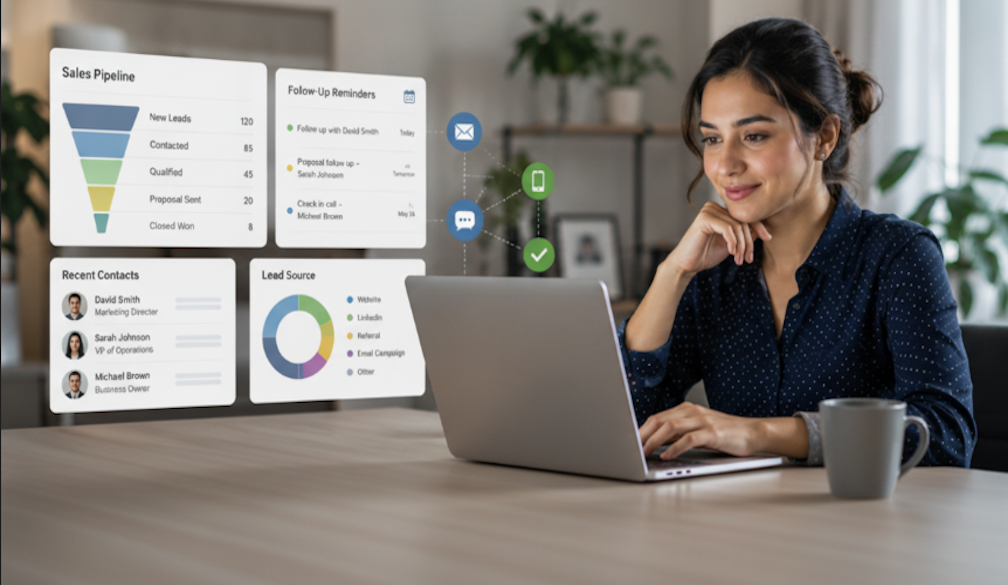
Sales teams are often judged by how many deals they close, but the work behind those deals is much bigger than most people realise. Before a sales call happens, someone needs to find leads, sort contact details, update the CRM, send follow-up emails and keep the pipeline moving.
That is where many businesses start to struggle. Salespeople get pulled into admin tasks, and the time they should spend speaking with prospects gets eaten up by spreadsheets, databases and reminders.
A remote assistant can change that. With the right support, businesses can keep their sales process organised, respond faster and give their sales team more time to focus on real conversations. A well-managed virtual assistant service can support lead generation, CRM management and follow-ups without adding the pressure of hiring another in-house team member.
What Is A Remote Sales Assistant?
A remote sales assistant is a trained support professional who helps with day-to-day sales tasks from an off-site location. They do not replace your sales team. Instead, they help your salespeople work with a better structure and fewer distractions.
Their role can include finding leads, updating CRM records, preparing prospect lists, scheduling calls, sending follow-up emails and creating simple sales reports. For many growing businesses, this support can make the sales process feel less rushed and more controlled.
When salespeople have accurate information and fewer admin tasks, they can spend more time building trust, answering questions and moving prospects closer to a decision.
The Hidden Sales Problem: Too Much Admin, Not Enough Selling
Many sales teams are busy, but not always busy with the right work. A salesperson may spend hours searching for contact details, correcting CRM entries or trying to remember which prospect needs a follow-up. These tasks matter, but they do not always need to be handled by the salesperson.
The bigger issue is that messy admin creates missed opportunities. A lead might be contacted too late. A deal stage might not be updated. A follow-up reminder might be missed. Over time, these small gaps can lead to lost sales.
A strong sales process needs clean data, regular follow-ups and clear tracking. Without that, even a good sales team can lose momentum.
How Remote Assistants Help With Lead Generation
Lead generation takes time. It is not just about finding names and email addresses. It involves researching the right businesses, identifying decision-makers and collecting details that make outreach more relevant.
A remote assistant can support this by building lead lists, finding company information, checking contact details, sorting prospects by industry or location and removing poor-fit leads from the list. This means the sales team receives cleaner, more useful leads instead of wasting time on contacts that are unlikely to convert.
Remote assistants can also help prepare outreach lists for campaigns, organise prospects by priority and maintain a steady flow of leads into the pipeline. This is where Virtual Sales Assistant services can give businesses a practical advantage, especially when the internal team is too busy to manage the early stages of prospecting.
Why CRM Support Matters For Sales Growth
A CRM is only helpful when the information inside it is correct. If the data is old, incomplete or messy, it becomes harder for the sales team to know what is happening.
Remote assistants can help keep CRM systems updated by entering new leads, adding notes after calls, updating contact details, tagging prospects and moving deals through the right stages. They can also help clean duplicate records and make sure follow-up dates are properly recorded.
This kind of support gives business owners and sales managers a clearer view of the sales pipeline. They can see which leads are active, which deals need attention and where the team may be getting stuck. Better CRM management also helps with reporting, planning and forecasting.
Follow-Ups: The Small Task That Can Win More Deals
Follow-ups may seem simple, but they are one of the most important parts of sales. Many prospects are not ready to buy after the first email or phone call. They may need more information, more time or a reminder before they take the next step.
The problem is that follow-ups are easy to miss when the sales team is busy. A remote assistant can help by scheduling reminders, sending follow-up emails, tracking replies and updating the lead status in the CRM.
This keeps the conversation moving without making the salesperson feel overloaded. A timely follow-up can show professionalism, build trust and remind the prospect that your business is ready to help.
Tasks A Remote Assistant Can Handle For Sales Teams
A remote assistant can support many sales-related tasks that often take up valuable time. These may include:
- Lead research and list building
- CRM data entry and updates
- Email follow-up support
- Appointment setting
- Sales report preparation
- Lead qualification support
- Database cleaning
- Calendar coordination
- Outreach tracking
- Pipeline updates
These tasks may look small on their own, but together they help create a smoother sales process. When they are handled properly, the sales team can work with better information and fewer delays.
For example, instead of starting the day by fixing CRM records or searching for a prospect’s details, a salesperson can begin with a clear list of people to contact. That simple change can make the whole day more productive and focused.
Benefits For Business Owners And Sales Managers
For business owners and sales managers, remote assistant support can bring more control to the sales process. It helps reduce admin pressure, improve lead tracking and keep the CRM cleaner.
It can also help the team respond faster. When new leads are entered properly, follow-ups are scheduled and reports are prepared on time, sales managers can make better decisions. They are not left guessing where a lead is sitting or why a deal has gone quiet.
This support can be useful for small businesses, agencies, consultants, service providers and growing teams that need sales help but are not ready to hire a full-time in-house sales support person.
How To Get The Best Results From A Remote Sales Assistant
A remote assistant works best when there is a clear process to follow. Businesses should provide simple instructions, CRM access, email templates, lead qualification rules and reporting expectations.
It is also helpful to set clear goals. For example, how many leads should be researched each week? What details need to be added to the CRM? When should follow-up reminders be created?
Regular communication is important too. A short weekly meeting or written update can help keep everything aligned. When the remote assistant understands the sales process and the business goals, they can provide much stronger support.
Conclusion
Remote assistants can give sales teams the support they need to manage leads, maintain CRM data and follow up faster. With the right process in place, they can help businesses build a stronger, cleaner and more organised sales pipeline.


 Daily Bulletin


