

Stimulus that retrofits housing can reduce energy bills and inequity too
- Written by: Nicola Willand, Lecturer, School of Property, Construction and Project Management, RMIT University
Stay-at-home orders and the economic crisis have increased the burden of energy costs on lower-income Australians. Poor housing quality and unequal access to home energy efficiency are hurting our most vulnerable households. With the next stage of the national recovery program expected to include cash grants for home renovation, now is the time to turn to housing retrofits that support health and well-being as well as boost jobs.
Staying at home during the COVID-19 pandemic increases households’ energy consumption and costs. As one in ten Australians might lose their jobs, the pandemic is adding to the energy hardship of people who were already struggling to pay their bills.
Read more: The other 99%: retrofitting is the key to putting more Australians into eco-homes
Access to energy is essential
Cold housing is a known health risk. Lancet research attributes about 7% of Australian deaths to cold weather. Warm housing reduces the risk of airborne infections, as well as providing comfort for working and studying.
Laundry temperatures of 60-90°C are needed to limit the spread of the coronavirus. But this conflicts with common energy-saving advice of washing clothes in cold water. Self-isolation also means heating more and not being able to close off unused rooms.
Low-income households, renters and older people are more likely to live in energy-inefficient dwellings. In fact, most Australian housing has poor energy efficiency.
When people on low incomes live in such housing, they are doubly disadvantaged by the challenges of needing more energy and not being able to afford it. Households with older people, people with chronic illness and children are particularly susceptible to energy stress and poor health outcomes.
Read more: Forget heatwaves, our cold houses are much more likely to kill us
Stop-gap measures
The temporary stop to disconnections in some states recognises that access to electricity and gas is a basic need and essential for health and well-being. This guaranteed energy, and a commitment by Australian Energy Council retailers not to charge penalty fees for late payment, will give affected households some relief.
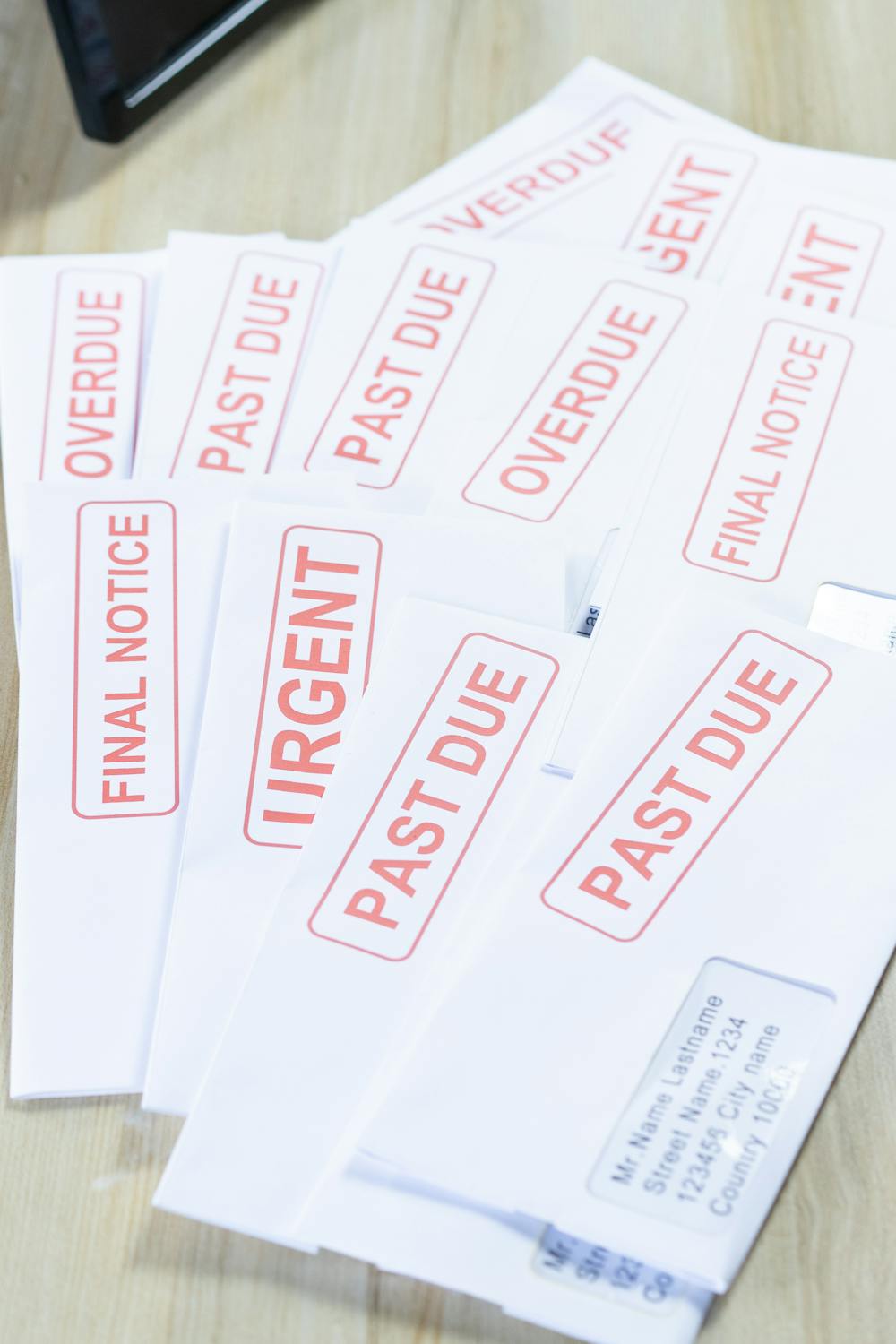 Even if power bill payments are deferred, households must still eventually repay their mounting debts.
Shutterstock
Even if power bill payments are deferred, households must still eventually repay their mounting debts.
Shutterstock
However, bill payment will only be postponed until the end of July. Much of the expensive heating period will still be ahead of us. And after that households will face the costs of cooling homes in summer.
Energy debts are going to accumulate as a burden to low-income households into the future. Energy retailers might find it ethically difficult to resume disconnections, but customers will have to repay their debts. This will only be possible if their overall financial position improves and/or the cost of their energy decreases.
Income support via energy concessions can ease bill stress. However, taxpayer money may be better spent on providing sustained relief by improving the energy performance of homes. Acknowledging housing as essential infrastructure would enable economic and social progress.
Read more: Is social housing essential infrastructure? How we think about it does matter
A lasting solution to energy poverty
A long-term stimulus package for retrofits would be welcome. The focus should be on comprehensive retrofitting to reduce energy demand, thus helping households to repay debt. Comprehensive or “deep retrofits” combine simple activities such as draught proofing with insulating ceilings, floors and walls, upgrading heating and cooling appliances, and installing solar PV systems.
 Many retrofits overlook the opportunity to install underfloor insulation when restumping a house.
CSR Bradford/YouTube screenshot
Many retrofits overlook the opportunity to install underfloor insulation when restumping a house.
CSR Bradford/YouTube screenshot
Initial findings of our HEET (Housing Energy Efficiency Transitions) research show simple retrofit measures are cheap and easy to do, and DIYing is popular. However, some opportunities are missed because householders are not aware of what can and should be done. A common example is failing to install underfloor insulation when restumping the house.
Read more: Thinking about a sustainable retrofit? Here are three things to consider
Riding the current wave of home improvements, innovative retrofit initiatives may guide people in their DIY efforts. However, some training for proper DIY installation and the use of skilled tradespeople for technical installations is needed for safety and quality.
Spread retrofitting benefits more widely
Federal and state subsidy schemes already promote retrofitting. But recent research suggests low-income households and renters have benefited less. The one-in-three households that rent their homes should not be missing out.
Read more: As power prices soar, we need a concerted effort to tackle energy poverty
Putting people at the centre of retrofitting programs will provide healthier homes and help tackle unemployment. This means providing retrofit assistance to those who need it most and training people in retrofit skills.
Previously, the boom in new housing construction inhibited retrofitting. This might change following the COVID-19 crisis. A long-term retrofit program would be an opportunity to upskill builders and to retrain newly unemployed Australians, particularly the young people who have been most affected by job losses. An expanded retrofit workforce is needed to reach the large number of inefficient homes.
So-called “Green Deals” have already been proposed in Europe, the US and the UK. Green construction stimulus packages in Australia have successfully supported economic recovery before.The aim should be to spawn a new industry of energy-efficient builders who will continue to contribute to the upgrade and upkeep of Australian housing. This could help cut greenhouse gas emissions, promote public health and improve our resilience to crises.
A nationwide stimulus package to provide healthier and more energy-efficient homes would help the most vulnerable and boost the economy.
Authors: Nicola Willand, Lecturer, School of Property, Construction and Project Management, RMIT University


 Daily Bulletin


