

Why Preventive Care Matters for Heavy-Duty Equipment
- Written by: Daily Bulletin
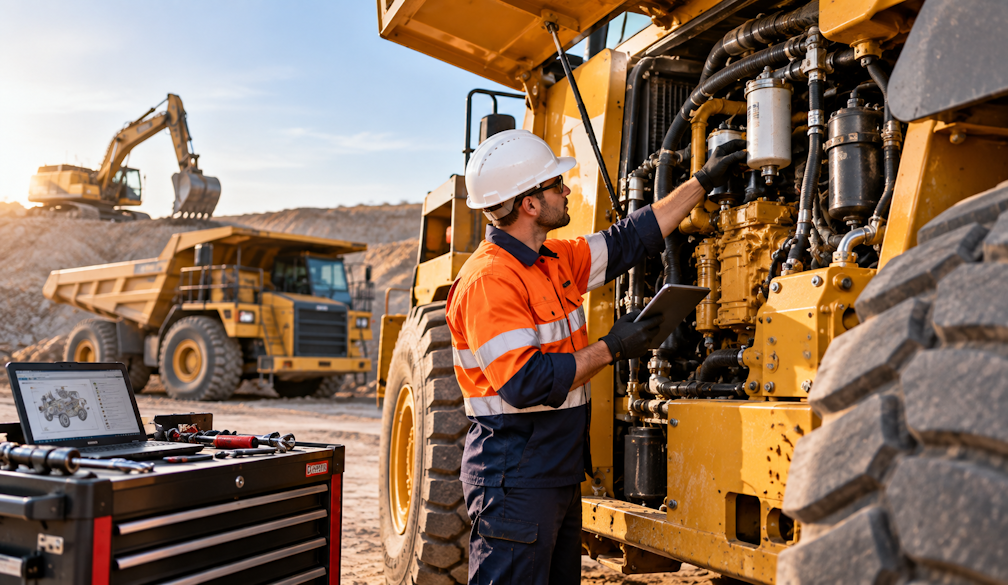
Heavy-duty equipment is designed to operate reliably under demanding conditions and over extended periods. However, dusty, hot, and challenging environments—such as construction sites, farms, workshops, warehouses, and remote worksites—can place considerable stress on machinery.
When equipment is used daily, small issues can easily go unnoticed. An unusual sound, a slipping belt, or a dirty filter might not seem serious at first, but these minor problems can develop into costly repairs or unexpected downtime if left unaddressed.
Preventative maintenance helps identify potential issues early, keeping equipment operating as intended and reducing the risk of failure when machinery is needed most.
Small Checks Can Prevent Major Problems
Most significant equipment failures begin with warning signs. Oil leaks, unusual vibrations, overheating, smoke, or changes in operating sounds can indicate that something is not working as it should.
Regular inspections help operators identify these signs before they lead to serious damage. Depending on the type of machinery, routine checks may include fluid levels, filters, hoses, belts, electrical connections, and moving parts.
Generators, for example, may also require inspections of their batteries, fuel systems, and cooling systems. Regular generator maintenance can help identify worn or damaged components and allow them to be repaired or replaced before they affect power production.
Rather than waiting for something to go wrong, businesses can incorporate these checks into their regular workplace routines. A consistent maintenance schedule is generally easier to manage than an unexpected equipment breakdown.
Downtime Can Cost More Than Repairs
The cost of equipment failure extends beyond the repair bill. When an essential machine stops working, projects can be delayed, workers may be unable to continue their tasks, deliveries can fall behind schedule, and other equipment may sit idle while the problem is resolved.
The consequences can be particularly serious when machinery provides an essential service.
A standby generator, for instance, may remain unused for extended periods, but it must be ready to operate when a power outage occurs. Regular testing and a planned diesel generator service help ensure the unit is prepared to perform when needed.
By identifying potential problems before an emergency arises, businesses can reduce the likelihood of unexpected failures and improve their operational readiness.
No Single Maintenance Schedule Suits Every Machine
The maintenance requirements of heavy-duty equipment depend on how frequently it is used and the conditions in which it operates. Machinery running for long hours each day will generally require more frequent attention than equipment used occasionally.
Environmental conditions also play an important role. Dust can accumulate in filters and cooling systems, while high temperatures can place additional stress on engines and electrical components. Vibration may loosen fittings over time, and moisture can contribute to corrosion.
Manufacturers typically recommend servicing intervals based on elapsed time, operating hours, or both. Following these recommendations helps businesses plan maintenance according to the equipment's specific requirements.
Even machinery that is rarely used needs attention. Batteries can lose their charge, fuel can deteriorate, and rubber components can degrade during prolonged storage. Effective generator maintenance should therefore take both operating hours and storage conditions into account.
Keep Simple, Consistent Maintenance Records
Accurate maintenance records make equipment management easier. Businesses should document inspection dates, replaced components, identified issues, and completed servicing.
These records help teams plan upcoming maintenance, track recurring faults, and identify potential problems before they become more serious.
Documentation is particularly useful when several employees operate or maintain the same machine. Rather than relying on memory, workers can refer to the records to determine what has already been checked and what requires attention next.
For generators, records should also track servicing against the manufacturer's recommended intervals. Requirements can vary between models and depend on operating conditions and accumulated running hours.
Protect Your Equipment Investment
Heavy-duty equipment represents a significant investment for many businesses. Proper maintenance can help extend its working life, support reliable performance, and reduce the likelihood of avoidable repair costs.
Preventative care also gives businesses greater control over their operations. By identifying maintenance needs early, they can schedule work at more convenient times and minimise disruption to important projects and daily activities.
Able Power is an Australian-owned and operated supplier of generators and other power equipment for commercial, industrial, construction, agricultural, and remote applications. The company also provides technical assistance, spare parts, and consumables for existing and older machinery, helping customers maintain their equipment long after the initial purchase.
With consistent inspections, appropriate servicing, and reliable access to technical support, businesses can keep their equipment in better condition and improve their readiness for demanding operating environments.

 Daily Bulletin


