

The Hidden Health Impacts of Digital Screens on Developing Eyes
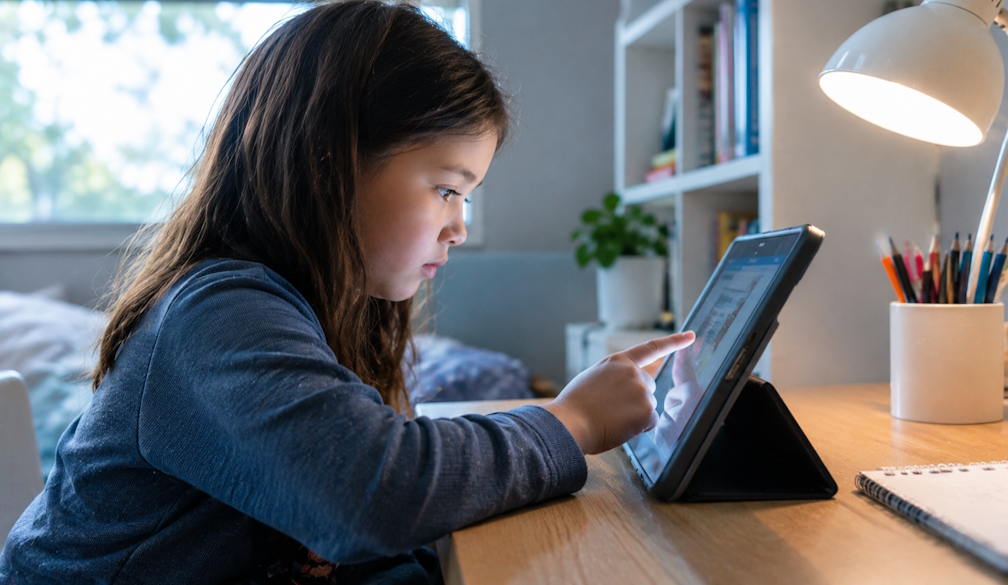
Modern Australian childhood is undeniably intertwined with technology. From educational tablets in primary schools to recreational gaming at home, screens are a constant presence in the daily lives of most families. However, this profound digital shift comes with unseen physical costs. Prolonged, sedentary screen time during early childhood is clinically linked to delayed language skills, reduced attention spans, and lower levels of school readiness. Beyond these developmental milestones, excessive device usage is placing immense physiological strain on developing eyes, a concern that health professionals are increasingly urging parents to take seriously.
The Rapid Rise of Childhood Myopia
Recent data paints a concerning picture for Australian youth. According to the Australian Bureau of Statistics, only about 27.8 percent of children aged five to 17 currently meet the national guideline of less than two hours of recreational screen time per day. This predominantly sedentary behaviour is closely linked to a sharp increase in childhood myopia, commonly known as short-sightedness. In fact, research from the Brien Holden Vision Institute found that 36 percent of Australians are currently myopic, with projections warning this figure could surpass 50 percent by 2040. The structural changes associated with early-onset myopia can also elevate the risk of more severe ocular conditions later in life.
To combat this trend, early intervention is critical. Modern myopia management for children now includes advanced clinical interventions beyond standard single-vision glasses, such as low-dose atropine eye drops, which clinical trials show can significantly slow myopia progression. Booking a routine check-up with a local specialist, such as an optometrist Dingley families rely on, allows for accurate monitoring of ocular development before permanent changes occur. Finding a professional who understands paediatric eye care ensures that any subtle shifts in vision are caught and managed promptly, providing a solid foundation for long-term optical health.
The Physical Mechanics of Screen Strain
When children focus intently on digital devices, their visual system works overtime. Despite the commercial popularity of blue-light-blocking glasses, medical bodies like the Royal Australian and New Zealand College of Ophthalmologists point out that there is currently insufficient evidence that normal environmental exposure to blue light damages children's eyes. Instead, the true culprits are close focusing distances and drastically reduced blinking, which place the internal focusing muscles of the eye under persistent, unrelieved tension.
Experts are increasingly alarmed by the physical mechanics of modern device usage. Researchers from UNSW estimate that half the world will be near-sighted by 2050, warning that viewing a phone screen can reduce a child's blinking rate by half within the very first minute, drastically increasing the risk of dry and tired eyes. This lack of natural blinking disrupts the tear film, leading to irritation, redness, and a frustrating burning sensation that can distract children from their learning and play.
Establishing Healthier Digital Boundaries
Addressing this issue requires a whole-family approach. Parents are often the first to notice signs of visual fatigue, such as frequent eye rubbing, complaints of headaches, or an unusual reluctance to read printed materials. Recognising these signs is the first step toward better habits.
It is equally important for adults to model good behaviour. While families might easily understand that excessive screen time impacts children's development and parent-child interactions, many overlook the immediate physical strain it places on everyone's ocular health. Creating device-free zones in the home benefits the entire household, reducing visual fatigue and encouraging alternative forms of engagement, such as board games, outdoor walks, or simple face-to-face conversation. By normalising breaks from technology, parents can gently guide their children toward a healthier balance.
Practical Steps for Protecting Young Eyes
Safeguarding your child's vision does not require banning technology entirely. Screens are an integral part of modern learning. Instead, parents can implement a few clinically backed strategies to support healthy ocular development in the digital era:
- Enforce the 20-20-20 rule: Encourage children to take a 20-second break every 20 minutes to focus their eyes on an object at least 20 feet away. This simple habit relaxes the focusing muscles in the eye.
- Increase outdoor playtime: Optometry Australia officially recommends that children spend at least two hours outdoors every day. Natural sunlight exposure is clinically proven to significantly reduce the risk of developing myopia.
- Follow national screen time guidelines: The Australian Department of Health recommends a maximum of one hour per day for children aged two to five, and capping recreational screen time at two hours per day for school-aged children.
- Schedule regular comprehensive eye tests: Asymptomatic abnormalities can develop without obvious warning signs. Medicare Australia provides coverage for children's comprehensive eye tests, making it easier for eligible families to access bulk-billed paediatric optometry consultations.
By combining sensible daily habits with professional clinical guidance, parents can ensure their children reap the benefits of the digital age without sacrificing their long-term visual health.


 Daily Bulletin


