

How Non-Competitive Sports Programs Benefit Early Childhood Development
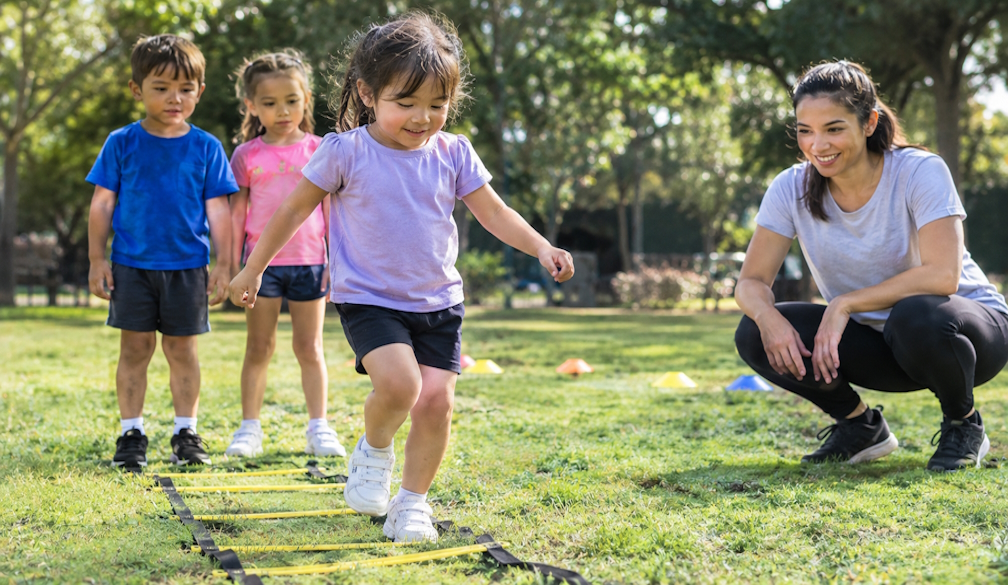
Australia is known globally as a sporting nation, yet recent statistics paint a surprisingly different picture for our youngest generation. Research from The Kids Research Institute Australia indicates that only one in ten Australian children aged three to five meet the national recommendation for daily energetic play. Furthermore, the country currently holds a concerning D minus grade for overall children's physical activity levels, a metric that has remained stagnant since 2015. With modern lifestyles often leaning toward increased screen time and sedentary behaviour, addressing this shortfall must start in the early years. Getting preschoolers moving through community athletics is one of the most effective ways to reverse this trend. Engaging toddlers in local club activities not only boosts their health but also helps parents build valuable community networks.
Moving From Unstructured Play to Organised Activities
The Australian 24-Hour Movement Guidelines for the Early Years recommend that children aged three to five accumulate at least 180 minutes of physical activity daily. Crucially, a minimum of 60 minutes should be dedicated to energetic, huff and puff play. While running around the backyard is fantastic, child development experts note that structured group activities offer distinct advantages over free play alone. Health researchers at the University of Melbourne highlight that participating in both unstructured free play and structured physical activities is critically important for helping children develop fundamental social and physical skills. These dual approaches ensure that a child's gross motor skills develop at a steady, measurable pace.
When parents look to bridge the gap between toddler free play and school-age team sports, non-competitive environments are ideal. Younger children naturally gravitate toward activities that require speed and agility but without the pressure of a scoreboard. Introductory programs, such as basketball for 4 year olds, provide a safe and engaging way to teach foundational movements like bouncing, passing, and running in a group setting. These age-calibrated classes allow kids to master simple mechanics without the stress of formal competition. Coaches in these settings focus on keeping instructions brief and highly interactive, catering perfectly to the shorter attention spans of young kids.
Establishing Predictable Weekly Routines
Establishing a consistent weekly schedule is highly beneficial for early childhood development. A regular extracurricular commitment teaches children what to expect from their week, helping them feel secure and ready to learn. Just as establishing a predictable structure for weekly tutoring sessions helps older students consolidate foundational academic skills outside of school hours, a weekly sports class helps preschoolers develop reliable physical and social habits. This kind of consistency is vital for building a foundation of discipline that children will carry with them into primary education.
Knowing that a specific afternoon or morning is dedicated to their sports class gives young children a sense of time and rhythm. It builds a lifelong habit of making time for physical health. Furthermore, state government initiatives like various sports voucher programs have made it easier for families to offset registration costs, ensuring that more children can access these vital weekly routines regardless of their background. When physical activity is treated as a non-negotiable, positive part of the weekly schedule, children are far less likely to view exercise as a chore later in life.
Key Benefits of Early Community Sports
Australia's national Early Years Learning Framework heavily features play-based learning as a vital tool for young children. When applied to a non-competitive sports setting, this structured play yields several specific developmental milestones that prepare children for the classroom.
- Physical coordination: Guided activities build core strength, spatial awareness, and bilateral integration. Learning to track a ball or balance on one foot translates directly to better overall body control, which even assists with fine motor skills like holding a pencil.
- Social negotiation: Team environments require children to practice sharing, taking turns, and adapting to rules. These are critical problem-solving skills they will need to navigate friendships before entering primary school and during playground interactions.
- Emotional resilience: In a non-competitive space, the focus is entirely on effort and participation rather than winning or losing. This helps children build confidence and learn how to handle minor setbacks, like missing a catch or tripping over, without feeling defeated or discouraged.
- Listening and focus: Following instructions from a coach instead of a parent or teacher helps kids learn to respect different authority figures. It encourages longer attention spans and improves their ability to process multi-step instructions in a noisy environment.
Setting Up for Long-Term Success
Recent data from the AusPlay survey shows that basketball currently ranks among the top five most popular sports for Australian children. Despite this popularity, nearly half of all children aged 14 and under still do not participate in organised extracurricular sport on a regular fortnightly basis. By introducing children to low-pressure, fun, and structured community programs early on, parents can foster a genuine love for movement. The goal in the early years is never about creating professional athletes. It is about equipping children with the physical confidence, cognitive focus, and social readiness they need to thrive both on the court and in their future classrooms. Encouraging this early participation is a powerful investment in their lifelong wellbeing.


 Daily Bulletin


