

How Technology Is Changing the Way Gardens Are Maintained
- Written by: Daily Bulletin
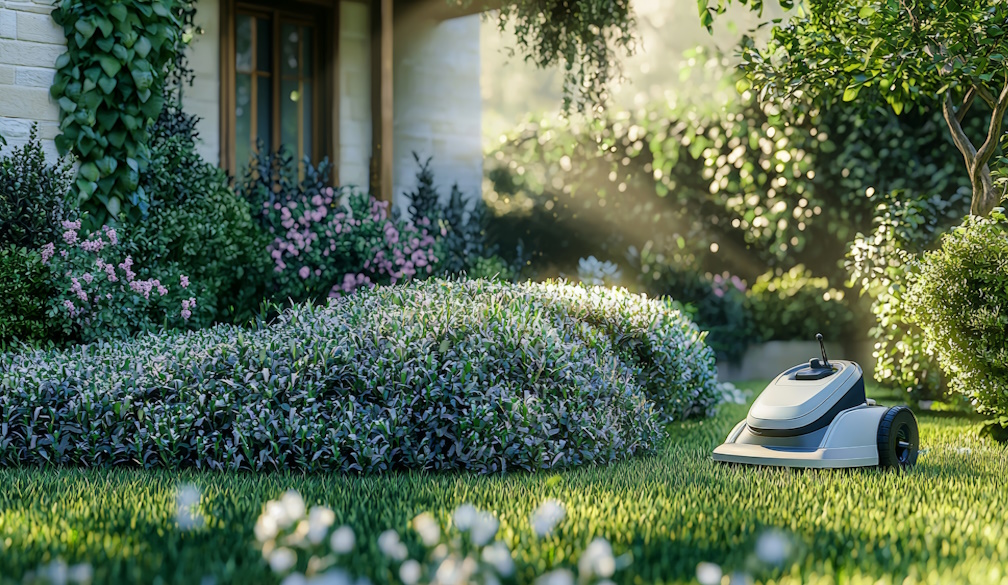
Garden maintenance has always been a hands on ritual. Mowing on a schedule, watering by instinct, and keeping an eye on the weather to work out what needs attention next. For most of its history, that's exactly what it looked like, routine, manual, and dependent on whoever was doing the work paying close attention.
That's beginning to shift. Technology is finding its way into everyday garden upkeep, and it's no longer a futuristic novelty reserved for enthusiasts. It's becoming a mainstream part of how homes and commercial properties are maintained.
Robotic mowers have gone mainstream
Robotic mowers are a good example of just how far this shift has come. They're now used across a huge range of properties, from suburban backyards through to sports complexes and golf courses, anywhere precision and consistency genuinely matter, and increasingly form part of the equipment used across professional gardening services.
Part of the appeal comes down to practicality. Running costs are considerably lower than traditional mowing, and safety has been built in at every level, with sensors that stop the blade the moment a unit is lifted and detection systems designed to avoid obstacles, people and pets.
One development worth noting is that mowers are increasingly moving away from needing a physical boundary wire around the perimeter of a lawn. That change alone has made installation and setup far simpler than earlier generations of the technology required.
Smart irrigation is solving the guesswork problem
If there's one area where gardens have traditionally gone wrong, it's watering. Too much, too little, or timed for the wrong moment, usually with the best intentions but not the best results.
Modern irrigation systems are designed to remove that guesswork entirely. Rather than running on a fixed schedule regardless of conditions, they read soil moisture, temperature and rainfall patterns first, then decide whether watering is actually needed at all.
The outcome that matters most to homeowners is a healthier garden that uses less water and needs far less manual attention to get right.
Systems are starting to work together, not just individually
The next stage of this shift is less about any single device and more about how they operate together. Smart garden systems are increasingly designed to communicate with each other, so a sprinkler won't run while a mower is active, and watering decisions can respond to conditions being picked up elsewhere in the garden.
In many ways, this mirrors what's already happened inside the home. The garden is simply becoming the next connected space, rather than something separate from it.
Not every smart feature delivers on its promise
It's worth being upfront that not all garden technology performs as well as it's marketed. Certain conditions can genuinely undermine results, heavy tree canopy can interfere with GPS guided mowers, for instance, and heavy clay soil can produce misleading readings from moisture sensors if they're relied on without proper calibration.
This is exactly why professional advice and proper installation still matter. Buying the most advanced product available isn't the same as choosing the right technology for a specific garden.
What this means for how gardens get maintained going forward
The overall direction is clear. Garden maintenance is moving away from manual guesswork and towards something more responsive, watering based on real soil data rather than a fixed roster, and mowing that reacts to actual grass growth rather than a set day of the week.
For anyone providing garden maintenance as a service, including specialised NDIS gardening services where consistency and safety matter just as much as results, understanding this technology, and knowing where it genuinely helps versus where it's oversold, is becoming part of what quality service actually looks like, not simply an optional extra.
Closing thought
Garden maintenance is shifting from a purely manual, routine based task into something more precise and considered. But the fundamentals haven't gone anywhere. Healthy soil, the right plants for the space, and proper ongoing care still matter more than any single piece of technology sitting in the shed.


 Daily Bulletin


