

How Does a Portable Power Station for Carvan Adventures Support Smarter Camping?
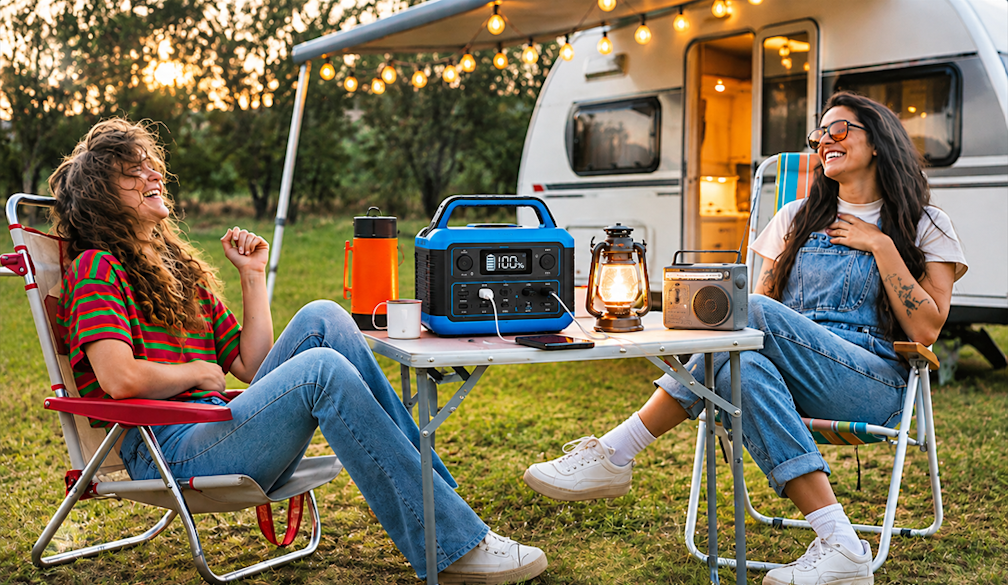
Why Does Off-Grid Camping Need a Reliable Portable Power Station for Carvan Travel?
People often choose off-grid camping because it lets them explore scenic locations without relying on established caravan parks or powered campsites. However, modern travel often depends on electricity for lighting, communication, food storage, and essential electronic equipment. Without a suitable power source, even a well-planned camping trip can become less comfortable.
A portable power station for caravan offers an alternative to conventional electricity access by storing energy in a rechargeable battery while driving a caravan. This lets power camping equipment where mains electricity isn't available. For caravan enthusiasts researching portable energy options, Non Stop Power offers solutions for travel, camping and everyday portable power requirements.
How Can a Portable Power Station for Caravan Travel Support Everyday Comfort?
Electricity can make a noticeable difference to everyday camping activities. Portable lights help illuminate a caravan after sunset, while USB charging ports keep phones, tablets and cameras ready for use. Depending on its output specifications, a power station may also operate selected small appliances or support a portable refrigerator.
These conveniences are especially useful at remote campsites where access to electricity is limited; travellers can maintain essential routines without running a fuel-powered generator for every small electrical need. However, the range of supported equipment varies significantly between power stations.
What Should be Considered Before Buying a Portable Power Station?
The first consideration is how much energy one need over a typical day. A caravan used mainly for weekend trips with occasional device charging will have different needs from one equipped with a refrigerator, multiple lights, and several electronic devices. Battery capacity, measured in watt-hours,
indicates the amount of stored energy available. Output power, measured in watts, indicates how much power the station can deliver at a given time.
Other considerations include charging speed, available ports, unit weight, dimensions, warranty terms, and solar compatibility. A model with additional features may not be the best choice if one rarely need them. When evaluating options, comparing product specifications against a realistic list of electrical requirements can help narrow choices and prevent unnecessary spending.
How Does Solar Charging Make Remote Caravan Trips More Flexible?
Solar charging can provide a useful way to replenish a portable power station while camping away from mains electricity. Compatible solar panels capture sunlight and transfer energy to the battery, potentially reducing the need to drive to another location to recharge.
The amount of energy collected depends on sunlight, panel efficiency, positioning, weather and the power station’s permitted solar input. A panel’s advertised wattage represents its rated output under specified conditions, not a guarantee of the same production throughout the day. For extended trips, solar charging works best when you manage energy consumption carefully.
Can a Portable Power Station Replace a Caravan’s Existing Electrical System?
A portable power station for a caravan can support many portable electrical needs, but it should not automatically be considered a replacement for a caravan’s installed electrical system. Fixed systems may include dedicated batteries, charging equipment, distribution circuits and other components designed for particular loads. A portable unit may be sufficient for travellers who mainly need to charge personal electronics or operate compatible standalone equipment.
Connecting a portable station to fixed caravan wiring requires particular care. Consider compatibility, electrical protection, earthing arrangements, and applicable regulations. A qualified professional should assess any proposed integration. At Non Stop Power, we have seen customers comparing portable solutions; they should distinguish between standalone appliance use and requirements for a permanent caravan electrical installation.
How Much Battery Capacity Is Needed for a Camping Weekend?
Estimating energy consumption can help determine whether a power station will last through a weekend away. Multiply each appliance’s wattage by the number of hours it runs, then add the results to estimate daily consumption.
For example, a 10W light used for five hours consumes approximately 50Wh. A 20W device operating for three hours uses another 60Wh. Together, these appliances require approximately 110Wh before accounting for conversion losses and other system demands. Travellers planning longer stays should also decide how they will replenish the battery before choosing a final capacity.
Final Thoughts
Everyone knows successful caravan trips benefit from preparation that goes beyond choosing a campsite and packing equipment. Consider electricity requirements alongside water, food storage, communications, and emergency arrangements. A suitable portable power station for a caravan can support everyday conveniences, while solar compatibility and alternative charging options can add flexibility.
So, Non Stop Power can support travellers in their research when comparing portable power options. The final decision should be based on verified specifications, appliance requirements, portability, safety features, and the availability of after-sales support.


 Daily Bulletin


