

How to Buy Your First Home on the Central Coast – An Ultimate Guide
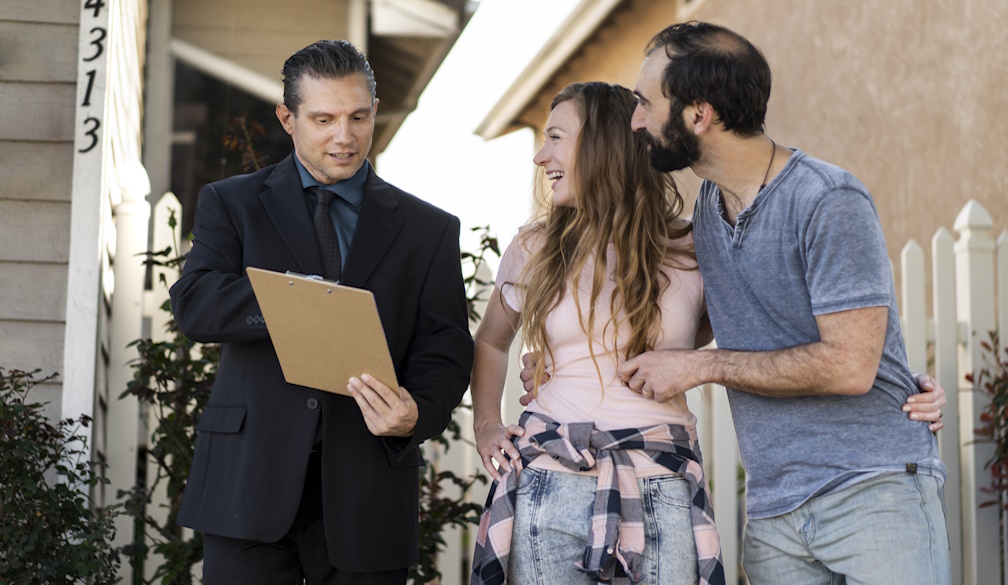
You can buy you first home one the Central Coast following the below,
- First, sort your finances and save a deposit. See a mortgage broker to get pre-approval. This helps you know your budget.
- Next, inspect houses in your favourite suburbs. Once you find a place, get a conveyancer to check the contract.
- Finally, book a building inspection and put in an offer.
So, buying your first home on the Central Coast is a big move. It feels stressful when the market moves fast. You often need to decide quickly. The trick is knowing what really matters. You also need to spot where new buyers get caught out.
Are you thinking of making the beautiful Central Coast your home? Contact PropertyCo Team Keelan today.
Ultimate Guide on Buying First-Home Buying on the Central Coast
Ready to buy on the Central Coast? Here is your simple guide to securing your first home.
Start with Finance, not Listings
Before you visit open homes, you must know your financial position.
Check your savings and what you can comfortably pay back. Do not just guess what a broker might lend you. You need to know your true budget and ongoing costs. This stops you from falling for a house you cannot afford.
Many buyers mistake a quick estimate for real borrowing power. Know your numbers first.
Get Pre-Approved for a Mortgage
A simple online estimate is not enough. You need formal pre-approval from a lender. This shows real estate agents you are a serious buyer. It also gives you a strict price limit so you stay safe.
This way, you can bid with confidence or make solid offers. Sellers prefer buyers who have their finances sorted. It puts you ahead of the pack.
Expect Competition and Prepare for it
The Central Coast market moves fast. Homes under $1.2 million often get lots of interest. You do not need to rush, but you must be ready.
Check recent sales to learn the true value of a property. Have your finances sorted so you can act quickly.
If you hesitate, you might miss out. Confidence comes from doing your homework before you step inside.
Inspections, Contracts, and Due Diligence
Many sellers offer a building and pest report upfront. Always check who wrote it and how old it is. If you are unsure, pay for your own independent inspection. It gives you peace of mind.
A conveyancer must review the contract before you sign. They check for tricky clauses or special terms. This protects you from nasty surprises later on.
Settlement and Beyond
Settlement usually takes about 42 days, but you can discuss this. Use this time to get ready for the move. Once you settle, the costs do not stop.
You need to budget for loan repayments, insurance, and repairs. Planning ahead keeps the stress low. Break the process into clear steps. Preparation makes the whole journey much easier for a first home buyer.
Wrap Up
Buying a home on the Central Coast is a big step. It does not have to be scary. Get your finances sorted first. Then, do your proper checks. Take it one step at a time. With the right prep, you will be ready to buy. You will hold those new keys sooner than you think.
Contact PropertyCo Team Keelan today to find the best mortgage. Our expert team guides you every step of the way. We make buying a home smooth and easy.

 Daily Bulletin


