

Why Should You Choose Duplex Design and Construct Sydney for Your Next Property Project?
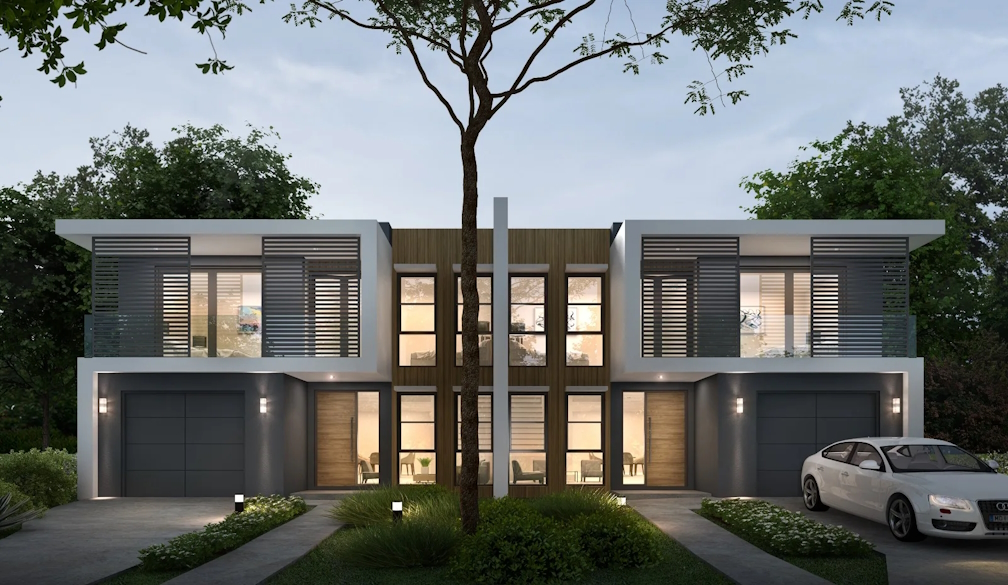
Planning a property project is exciting until you realize how many decisions are involved. Design, budget, approvals, construction everything needs attention. That’s why many property owners today prefer a simpler and more structured approach.
This is where Duplex Design and Construct Sydney becomes a practical choice. It combines smart planning with efficient execution, helping you build two homes on one block without unnecessary confusion.
Let’s explore this in a completely fresh way.
A Smarter Way to Use Your Land
If you own a decent sized block, building a single house might not be the best use of space anymore.
A duplex allows you to:
- Create two separate living spaces
- Increase the overall property value
- Open up rental or resale opportunities
It’s like upgrading your land from basic use to high potential mode
That’s why many homeowners are moving toward Duplex Design and Construct Sydney to unlock more value.
Why This Approach Feels Less Stressful
Traditional construction often feels like juggling too many people, architects, builders, and specialists. And occasionally, they don’t constantly agree.
With design and construction:
- One group handles everything
- Communication remains clear
- Problems get solved faster
- You don’t ought to chase multiple human beings
It’s a more prepared manner to construct, specifically for duplex initiatives.
The Bigger Picture: What Influences Your Project?
Before starting, it helps to understand a few important concepts that shape your project:
- Urban planning decides how land can be developed
- Zoning rules define what type of construction is allowed
- Real estate development focuses on maximizing land potential
- Property investment strategies guide long term returns
- Construction management ensures everything runs smoothly
Knowing these helps you make better decisions instead of guessing your way through.
Design That Actually Works in Real Life
An excellent duplex isn't about fancy designs; it's about livability.
Balance Both Homes
Each unit must experience similarly precious things.
Prioritize Privacy
No one wants to sense like they’re sharing partitions with strangers.
Keep It Bright
Natural light makes spaces feel bigger and more comfortable.
Make It Functional
Storage, format, and usability depend more than decoration.
Add Outdoor Comfort
Even a small outdoor space can make a big difference.
When these elements come together, Duplex Design and Construct Sydney delivers both comfort and value.
What the Process Looks Like (Simple Version)
No complicated explanations just the basics:
1. Site Check
Is your land suitable? That’s the first step.
2. Design Stage
Plans are created based on your needs.
3. Approval Phase
All permissions are handled properly.
4. Construction
The building process begins.
5. Completion
Your duplex is ready to use or rent.
Simple steps but each one matters a lot.
Mistakes That Can Cost You Later
Let’s maintain it actual these are commonplace issues:
Ignoring Rules
Skipping zoning exams can prevent your project completely.
Weak Budget Planning
Unexpected costs can hurt if you’re not prepared.
Overdesigning
Fancy doesn’t always mean profitable.
Choosing the Wrong Builder
This can turn a good project into a stressful one.
That’s why working with a reliable team like FJC Construction makes the process more stable and predictable.
Is It a Good Investment Decision?
A duplex can provide sturdy returns if done successfully.
You benefit from:
- Dual apartment profits
- Higher resale price
- Flexible ownership alternatives
But consequences depend on making plans and execution, not just the concept.
That’s why many human beings rely upon Duplex Design and Construct Sydney for an extra based technique.
Why the Right Team Changes Everything
An exact builder doesn’t just assemble; they walk you through the technique.
With FJC Construction, each level is handled with proper planning and attention to detail. From the first concept to the very last result, the whole thing remains aligned with your goals.
And truly, having one skilled team saves you from plenty of unnecessary strain.
Final Thoughts
A duplex is more than just two homes; it's a smarter way to think about property.
If you want better returns, more flexibility, and long term value, this approach makes sense. But the key is doing it right from the start.
With the right planning and execution, Duplex Design and Construct Sydney can turn your property into something far more valuable than you expected.
FAQs
1. What is the main benefit of building a duplex?
It allows you to maximize land use while creating multiple income opportunities.
2. How long does a duplex project usually take?
Most projects take around 6 to 12 months depending on design and approvals.
3. Can I sell one unit separately?
Yes, if the property is subdivided and approved accordingly.
4. Is duplex construction suitable for investment?
Yes, it’s considered a strong option for long term returns.
5. Do I need professional help for this?
Absolutely. A structured approach ensures better results and fewer issues.
If you plan smart and choose the right approach, a duplex project can be one of the most rewarding decisions you make for your property.

 Daily Bulletin


