

Best Ways To Look for A Mortgage Agent
- Written by: Raj Gupta
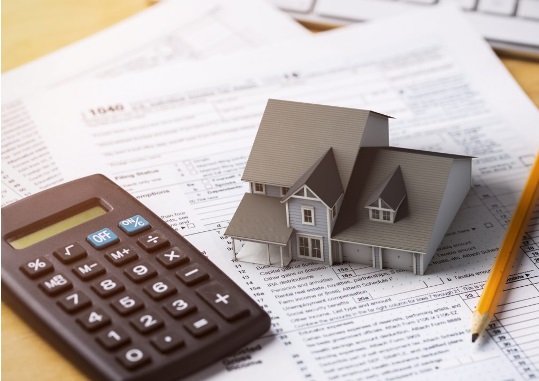
A professional mortgage agent produces, negotiates and processes all kinds of loans such as residential and commercial mortgage loans on account of the customer. There are several benefits to using a mortgage agent instead of trying to find a loan yourself, such as access to hundreds of loan products, they help you decide the most beneficial plan, they provide you with the flexibility and the expertise you require. Mortgage agents or brokers can also help you save a lot of time and hassle that comes with the process of getting a loan. A personalised consultation from the agent can help you receive loans quickly, and smoothly.
Mortgage loans can be risky especially due to the collateral you list. It is hard to find the best ways to look for a mortgage agent because so many variables affect the decision. The following are what we feel are the most important criteria.
How much does a mortgage agent charge?
The minimum is not so high as in the past. They will expect a good client, and that can include you. Get a feel for what is being asked and negotiate, as many agents are willing to help you get what you want at a discount.
Who are the mortgage agents working for?
It is important to know that most don't know you or your situation. They probably have only very little exposure to lenders and mortgage deals.
How do you search for a mortgage agent? Use the internet. It is easy to use, and even if they are from out of state, many will be friends, neighbours, or former clients. Some will even have websites.
How do you find the best ways to look for a mortgage agent? Ask for referrals. You might also try your bank's employees.
What kind of advice do you have about finding the best ways to look for a mortgage agent?
Here are some general guidelines. Ask for referrals and don't ask for a commission or a one-time fee. Use social networking sites to find others who have a mortgage business, and ask them if they have any recommendations.
Which lender do you want to work with for how to look for a mortgage agent?
Many banks are willing to work with mortgage professionals from other banks. In fact, it is often possible to get a better rate on a mortgage from a different lender than from the same bank. The best ways to look for a mortgage agent include a number of different banks, particularly with a similar credit rating.
How do you know if the mortgage business you are looking at is reliable?
For example, the industry average is that 30% of mortgage brokers are certified by the American Institute of Professional Mortgage Advisors. Any less and it is probably not a good source. Get references from past clients to see how good their service has been.
One of the key criteria when searching for a mortgage broker agent is whether or not they specialize in selling mortgage loans. It is worth the extra effort to find a mortgage broker who is willing to help you find a loan that fits your needs. Then use that information to negotiate a lower interest rate, perhaps because you are a first-time homebuyer or a large down payment is required.
How do you tell if the mortgage agent is being honest about the terms of the loan?
Some mortgage brokers will offer a variety of plans and rate types, but as long as they are making a profit, they are lying. Honest mortgage agents will be more interested in your credit score, provide you with more knowledge about the possible loan plans that may be available to you and helps you compare rates against other lenders.
Conclusion
What's the best way to find the right advice on mortgage deals? It is important to get a broker who has experience in your situation, whether you are buying, refinancing, or selling your home.
In short, the best ways to look for a mortgage agent include looking online, asking for referrals, and using social networking sites. If you are looking for a mortgage broker, there are several great places to start online.

 Daily Bulletin


