

Behind the Scenes: How Medicines Stay Safe Before They Reach Your Pharmacy
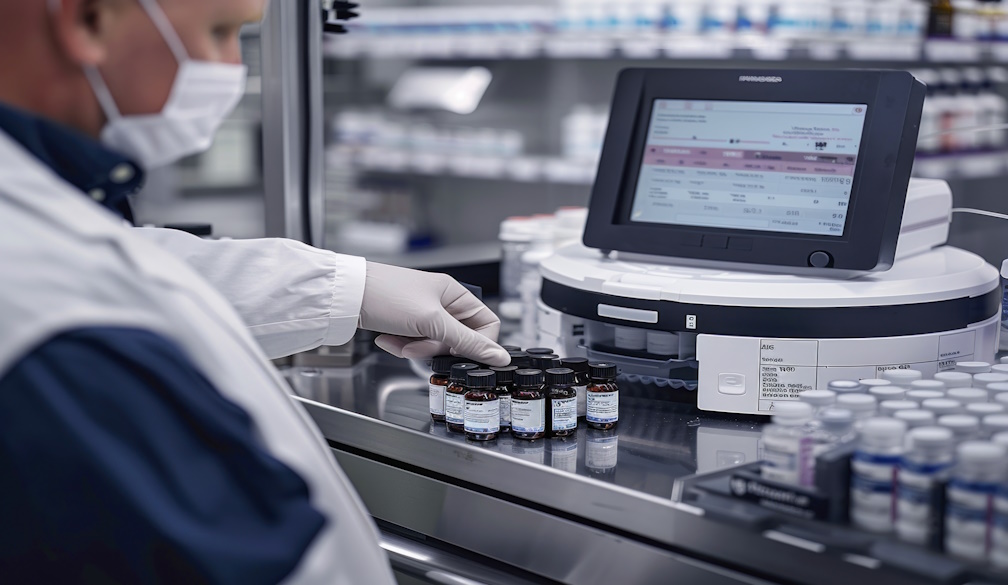
You pick up a prescription, glance at the label and pop the box in your bag without a second thought. Most of us never wonder where that medicine has been before it landed on the pharmacy shelf. But behind every tablet, vial and inhaler is a long chain of steps designed to make sure it arrives exactly as the manufacturer intended: safe, stable and effective.
Much of that work happens in places the public never sees. Laboratories test samples for quality and stability. Warehouses hold products under tightly controlled conditions. Specialist facilities providing GMP Storage keep medicines and clinical trial materials at precise temperatures and humidity levels, with every movement recorded. It is unglamorous, highly regulated work, and it is a big part of why we can trust the medicines we take.
What GMP actually means
GMP stands for Good Manufacturing Practice. It is a set of principles and standards that govern how medicines are made, tested, stored and handled. In Australia, the Therapeutic Goods Administration oversees compliance, and manufacturers must meet internationally recognised GMP standards to supply medicines here.
The core idea is simple. Quality cannot be tested into a product at the end. It has to be built into every step, from raw ingredients to finished packaging. That means documented procedures, trained staff, validated equipment, clean facilities and detailed records that allow any problem to be traced back to its source.
Why storage conditions matter
Medicines are chemical and biological products, and many are sensitive to their environment. Heat can speed up degradation. Moisture can affect tablets and powders. Light can break down certain active ingredients. Some products, such as vaccines and biologics, must be kept refrigerated or even frozen.
If a medicine is stored incorrectly, it might lose potency or, in some cases, form harmful by-products. Worse, the damage is often invisible. A tablet that has been exposed to excessive heat can look exactly the same as one that has been stored perfectly.
That is why storage facilities monitor temperature and humidity continuously, with alarms that alert staff if conditions drift outside acceptable ranges. Backup power, redundant cooling and documented response procedures are standard.
Stability testing: predicting the future
How does a manufacturer know how long a medicine will last? The answer is stability testing. Samples are stored under defined conditions, including some that are deliberately harsher than normal, and tested at regular intervals to see how they change over time.
These studies follow international guidelines and help determine the expiry date printed on the packaging and the storage instructions on the label. When a box says "Store below 25°C", that instruction is based on careful scientific evidence.
The cold chain
For temperature-sensitive products, the challenge extends beyond the warehouse. Every step of transport, from the manufacturing site to the distributor, the pharmacy and finally the patient, needs to maintain the right conditions. This unbroken sequence is known as the cold chain.
Specialised packaging, refrigerated vehicles and temperature loggers that travel with shipments all help. If a logger shows a product has been exposed to the wrong temperature, it may need to be quarantined and assessed before it can be used.
Clinical trials add another layer
Australia has a strong reputation as a location for clinical trials, and trial materials come with their own complexities. Investigational products must be stored, labelled and tracked meticulously, often with blinding to ensure neither patients nor researchers know who is receiving the active treatment. Every unit must be accounted for, from receipt through to dispensing, return or destruction.
What you can do at home
The care taken behind the scenes counts for little if medicines are mistreated once they reach your home. A few simple habits help:
Store medicines as directed on the label, usually somewhere cool and dry. The bathroom cabinet, despite its name, is often too warm and humid.
Do not leave medicines in a hot car, especially in an Australian summer.
Keep products in their original packaging, which protects them from light and moisture.
Check expiry dates and return unwanted or expired medicines to a pharmacy for safe disposal.
Trust is earned quietly
Most people will never set foot in a GMP-certified warehouse or a pharmaceutical testing laboratory. But the work done there underpins our confidence in every dose we take. The next time you collect a prescription, spare a thought for the long chain of careful hands it passed through on its way to you.


 Daily Bulletin


