

The Rise of Australian-Made Spirits and What It Means for Local Drinkers
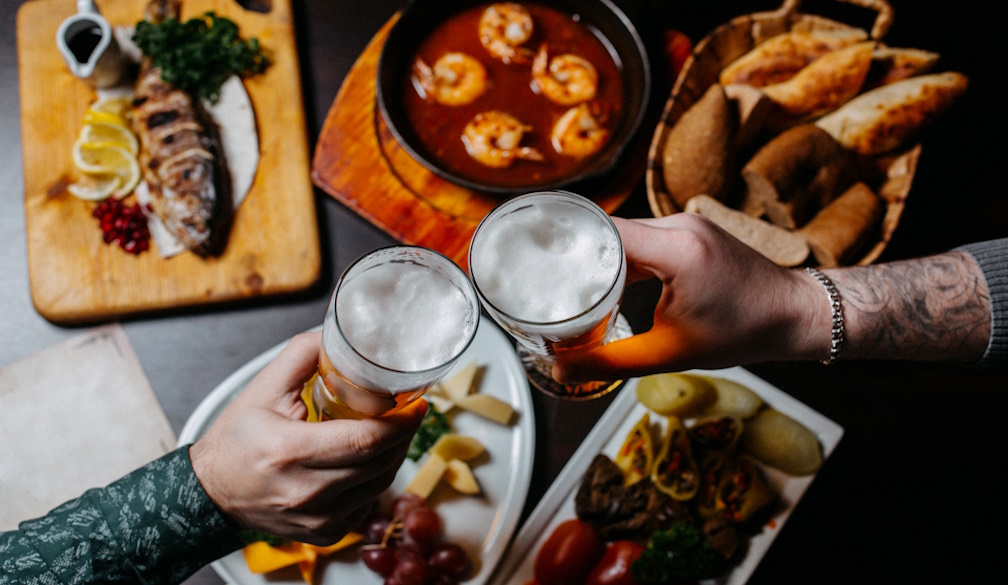
Not so long ago, ordering a local gin at the pub would earn you a blank look. Bottle shop shelves were lined with the same handful of imported labels, and "Australian whisky" sounded like a novelty gift for an uncle who had everything. Walk into a decent bar today and you might be handed a cocktail list with more home-grown spirits than international ones.
Part of what has made this boom possible is happening behind the scenes. Many new labels work with established Australian producers like Spirit Spring for their base spirit, which lowers the barrier to entry and means a brand can launch with a quality product rather than spending years perfecting distillation before selling a single bottle. The result is more choice, more experimentation and, for drinkers, a lot more to explore.
A taste of place
The most exciting thing about Australian spirits is how unmistakably Australian many of them taste. Distillers have embraced native ingredients in ways that would have seemed unusual a generation ago. Finger lime, lemon myrtle, pepperberry, wattleseed and strawberry gum turn up in gins and liqueurs, giving them a flavour you simply cannot get from a European bottle.
Whisky makers are drawing on the country's wine heritage too, ageing spirit in barrels that once held fortified wines or big South Australian reds. Climate plays its part. Warmer conditions in many regions change how spirit interacts with oak, and producers are learning to work with that rather than imitate cooler Scottish maturation.
Why drinkers have embraced it
Australians have always been happy to back local produce, from coffee to craft beer, and spirits are following the same path. There is genuine pride in pouring something made a few hours' drive away. Cellar doors have become weekend destinations, often sitting alongside wineries and farm gates in regions like the Yarra Valley, Tasmania's Derwent Valley and the Margaret River.
Then there is the curiosity factor. A growing number of drinkers would rather try three interesting small-batch gins than stick with one familiar label. Tasting paddles, distillery tours and limited releases all feed that appetite for discovery.
What it means at the bar
For the average person ordering a drink, the change has been noticeable. Bartenders now have a much wider palette to work with, and many enjoy championing local producers. A Negroni made with an Australian gin and a locally produced vermouth can taste quite different from the classic version, and that difference is part of the fun.
It has also nudged prices in interesting directions. Small-batch spirits are rarely the cheapest option on the shelf, and the tax on spirits in Australia remains high by world standards. But the gap between a premium local bottle and an imported one of similar quality has narrowed, and many drinkers feel the extra few dollars are worth it when the money stays in the community.
Choosing well in a crowded market
With so many new brands launching, not every bottle will be a winner. A few habits can help you find the good stuff:
Start with the cellar door if you can. Tasting before you buy is the single best way to avoid an expensive mistake, and staff are usually happy to talk through what makes each product different.
Read the label properly. Look for information about botanicals, cask types and where the spirit was made. Producers who are proud of their process tend to share the details.
Ask your bartender. People who work with these spirits every night have strong opinions and are often the first to know about a promising new release.
Do not dismiss a brand because it sources its base spirit. Some of the most celebrated gins in the world are made this way. What matters is what happens next, and how honest the producer is about it.
A scene still finding its feet
Perhaps the best part of the Australian spirits story is that it is still being written. Distillers are experimenting with agave-style spirits, rum made from Queensland cane, and aperitifs that use local fruit in place of traditional European ingredients. Some experiments will fade away, others will become modern classics.
For local drinkers, that means there has never been a better time to be curious. The next time you are choosing a bottle for a dinner party or ordering at the bar, try something made close to home. You might be surprised how good it is.


 Daily Bulletin


