

Why Aussie Car Owners Are Switching to Paint Protection Film Over Traditional Waxing
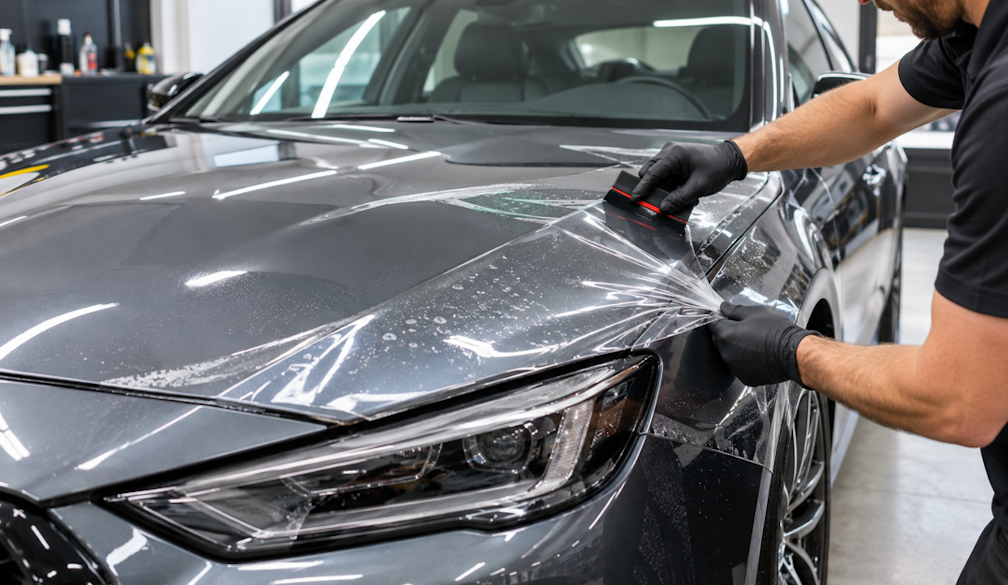
For decades, a tin of carnauba wax and a Sunday afternoon were the standard formula for keeping a car's paint looking sharp. It's a ritual plenty of Australian drivers still enjoy. But if you talk to anyone who's had a car resprayed after a highway stone chip, or watched a beautiful paint job dull within a year of daily driving, you'll hear the same thing: wax was never built for the job it's being asked to do.
That's why a growing number of car owners, from new EV buyers to weekend track-day enthusiasts, are switching to paint protection film (PPF) instead.
Wax Was Designed to Shine, Not to Shield
Traditional wax adds gloss and a thin layer of water resistance, but it sits on the surface rather than bonding to it. It breaks down within weeks under UV exposure, road grime and regular washing, and it does nothing to stop the two things that actually cause long-term paint damage in Australia: stone chips from unsealed roads and highways, and the harsh UV load that dulls clear coat over a single hot summer.
Ceramic coatings improved on this by chemically bonding to the paint and lasting years rather than weeks, and they remain a great option for gloss and easy washing. But like wax, a ceramic coating is a thin liquid layer, it doesn't stop a chip caused by a stray rock at 100km/h.
What PPF Actually Does Differently
Paint protection film is a clear, self-healing polyurethane film applied directly over the factory paint. Instead of adding a chemical layer on top of the clear coat, it physically absorbs impacts before they reach the paint at all, think of it as a sacrificial skin rather than a shine enhancer.
The practical difference shows up in three places:
- Impact protection. PPF is rated to absorb stone chips and light scratches that would otherwise go straight through wax or ceramic coating into the clear coat.
- Self-healing. Quality film uses a top layer that "heals" light swirl marks and micro-scratches when warmed by sunlight or hot water, something no wax product can do.
- Longevity. A properly installed PPF job is typically rated for 5 to 10 years, compared with a few weeks for wax or a couple of years for most ceramic coatings.
Why Installation Quality Matters More Than the Product
Here's the catch: PPF is only as good as the install. Poorly cut film lifts at the edges, traps dirt, and yellows prematurely, which is exactly why hand-cut, blade-trimmed jobs have a mixed reputation. Studios that use plotter-cut, pattern-based film (cut to the exact dimensions of each panel before it ever touches the car) get a cleaner edge, a tighter fit, and a finish that holds up for years rather than months.
Sydney-based studios like Protected Studio have built their process around exactly this distinction, precision-cutting every panel in-house rather than trimming film by hand on the car, which is one of the more common causes of a failed PPF job.
Is It Worth It?
For a car you plan to keep for more than a couple of years, or a new vehicle you want to protect from day one, PPF is increasingly seen as an investment rather than a luxury add-on, particularly for resale value, where an unmarked, chip-free bonnet and mirror caps can make a real difference at trade-in time. Many owners now pair it with a ceramic top coat for the best of both worlds: physical protection underneath, and the hydrophobic gloss on top.
If you're weighing up the options for your own car, it's worth reading through the difference between PPF and traditional paint correction before booking anything in, since the right choice often comes down to how the car is used day to day rather than a one-size-fits-all answer.
Wax will always have its place for owners who enjoy the weekend ritual. But for anyone serious about keeping their car's paint the way it left the factory, the shift toward film over wax isn't a trend, it's just better physics.


 Daily Bulletin


