

Choosing the Right Mattress: Comfort, Support & Quality Explained
- Written by: Daily Bulletin
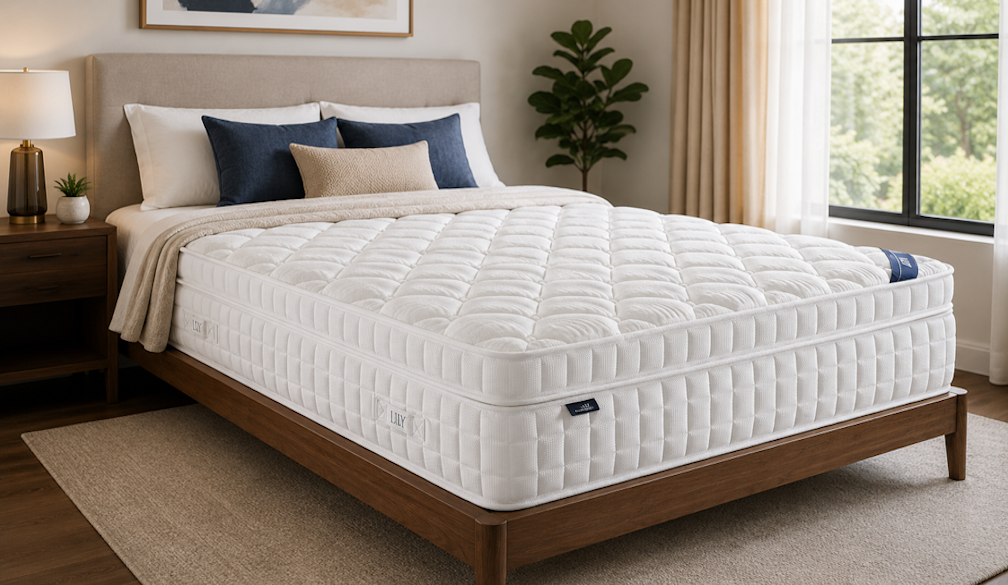
Luxury is one of the most overused words in mattress marketing, applied just as readily to a $600 mattress as a $6,000 one. So when a range is genuinely positioned at the premium end with mattresses built around thousands of individually wrapped pocket springs and natural fillings like cashmere and wool, it is worth understanding what that actually buys a Perth shopper before assuming higher price simply means higher quality.
This is not a case for spending more by default. It is a breakdown of the construction differences that separate genuine luxury mattress engineering from a marketing label, so the decision is based on what is inside the mattress rather than the word on the box.
The sections below cover spring count, natural fillings, zoned lumbar support, and the factors that genuinely justify a premium price, so the comparison can be made on substance rather than branding alone.
Pocket Spring Count: More Than a Marketing Number
Pocket spring count gets thrown around as a headline figure, but what it actually represents is how finely a mattress can respond to the body's contours. More individually wrapped springs generally means more precise pressure distribution and less motion transfer between sleeping partners, since each spring compresses independently rather than pulling on its neighbours. The range's flagship model uses 6,000 pocket springs including two layers of mini springs, while other models step down through 4,500, 3,500, and 2,500 springs at correspondingly lower price points. The number alone does not guarantee comfort. How the springs are zoned and what sits above them matters just as much, but it is a genuine engineering difference, not just a marketing figure.
Natural Fillings and What They're Actually For
Beyond spring count, the range leans on layered natural materials, including cashmere, wool, and cotton, rather than synthetic foam alone. Wool and cotton are naturally breathable and moisture wicking, which matters for temperature regulation over a full night's sleep, while cashmere adds a soft, insulating surface layer.
Zoned Support for Back and Spine Alignment
Several models in the range use zoned pocket springs specifically to support lumbar alignment, offering firmer support through the lower back while allowing more give at the shoulders and hips. This is the same zoning principle found in orthopedic marketed mattresses, applied here within a broader luxury construction rather than as a standalone feature. It means the luxury positioning is not purely about materials and finish. There is genuine structural engineering behind the comfort claims as well.
How the Range Progresses From Entry to Flagship
At the more accessible end, models built around individually wrapped springs paired with simpler comfort layers still deliver genuine pocket spring performance without the full natural fibre luxury treatment. Moving up, models add layered wool and cotton fillings along with higher spring counts for a noticeably softer, more contoured feel. At the top sits the flagship model, combining the highest spring count in the range with generous layers of cashmere, natural wool, and cotton, plus foam encapsulated edges for consistent support right to the perimeter of the mattress. Each step up the range represents a genuine, measurable construction change rather than simply a higher price tag attached to the same core product.
What Actually Justifies the Higher Price
-
Spring count and zoning, which are genuine engineering differences that affect pressure distribution across the body.
-
Natural versus synthetic fillings, which affect breathability and how the mattress feels over years of use.
-
Edge to edge foam encapsulation, which affects how much usable sleeping surface the mattress actually offers.
-
Design and manufacturing standards, worth checking since European inspired and made in Europe are not the same claim.
-
Warranty and trial period length, since a genuinely premium mattress should back its price with meaningful after purchase support.
How to Judge Genuine European Design Claims
'European inspired' is an important phrase to read closely. It can be used for a bed that is authentically designed and engineered abroad, or for one that is only European inspired stylistically but designed and engineered somewhere else. Key questions to consider include where the design and engineering work was done, if the bed uses European traditions of high spring counts and natural fibre layers in construction, and if the company can somehow demonstrate their particular manufacturing standards rather than simply use the word 'luxury'. None of this implies that domestic design beds are not good quality- it just requires further investigation of the claim.
Edge Support and Why It's Easy to Overlook
Edge support is rarely touted in mattress marketing, but it impacts the usability of any given surface. Lacking foam encapsulated edges, the outer inch or two of a mattress can feel distinctly softer and less supportive than the middle of the mattress -- an important consideration for those who sit on the edge to get dressed, or who tend to roll toward the edge while sleeping. The flagship's foam encapsulated construction tackles this head-on by providing support right to the edges instead of relying on the body of the mattress for most of the support.
Frequently Asked Questions
Is more pocket springs always better?
"Having more pocket springs does not really mean that the mattress is better. It is more a question of the location and type of pocket spring used for the construction of the mattress."
It is a real factor in pressure distribution and partner motion separation. However, the zoning and the fillings quality and your personal firmness preference are just as important. A high count of springs at the wrong firmness for your body will still not feel right.
Are natural fillings actually better than foam?
They are different, not better universally. Generally natural fibres breathe and manage temperature better whereas foam can provide a more consistent moulding. It all depends if you sleep hot and whether you require more hugging support.
Conclusion
Luxury mattress pricing is easier to evaluate once it is broken into its actual components: spring count, filling material, zoning, and construction, rather than taken on faith from the word premium. The range genuinely varies across these factors, from entry-level models through to flagship designs, which at least means the price differences track real construction changes rather than branding alone.

 Daily Bulletin


