

Nobody's Coming: Why an Alarm That Just Makes Noise Isn't Enough
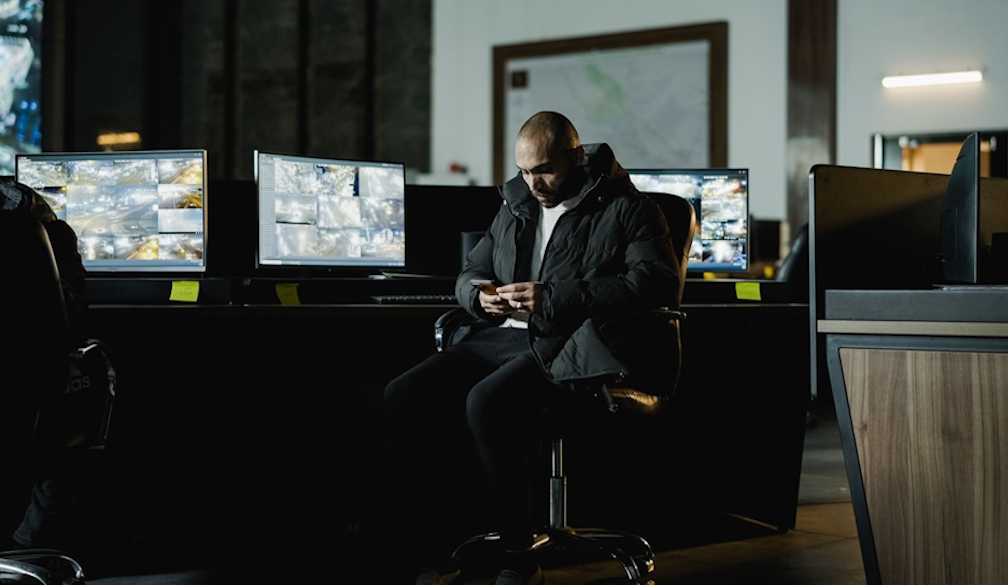
A siren going off at 2am in an empty industrial estate, or in a suburban street where half the neighbours have learned to sleep through it, doesn't stop anything by itself. It announces that something has gone wrong and then leaves the outcome to chance — whether someone happens to notice, whether they bother calling anyone, and whether that call comes in time to matter. For a growing number of Australian homeowners and business operators, the fix isn't a louder alarm. It's making sure someone is actually watching when it goes off.
That's the job of professional alarm monitoring, and it's the piece that turns a security system from a passive warning device into something that actively works on your behalf, day and night, whether you're home, at
work, or on the other side of the country.
The Gap Between an Alarm and a Response
An unmonitored system is entirely dependent on other people doing the right thing at the right moment. A passer-by has to notice the noise, decide it's worth acting on, and then choose to get involved — and in built-up areas where false alarms are common, or in commercial zones that clear out after 5pm, that chain of events rarely plays out the way it should. Most people, understandably, don't want to walk toward a building that might have an intruder in it.
A monitored system removes that guesswork. The instant a sensor is triggered, a signal goes straight to a monitoring centre operating around the clock, staffed by people whose entire job is to assess what's happening and act on it. There's no waiting on a neighbour, no hoping someone's paying attention — just a trained response, every time.
What Actually Happens When an Alarm Goes Off
It helps to understand the sequence, because it's more considered than people often assume. When a trigger comes through, monitoring staff don't simply dial triple zero on reflex — they work through a verification process first. That typically means attempting to reach the property owner or a nominated contact to check whether the alert is real or accidental.
This step matters more than it might seem. It filters out the pets, the wind-rattled doors and the fumbled keypad codes without tying up emergency services, while making sure that anything genuine gets escalated without delay. It's the difference between an alarm that cries wolf and one that police and fire crews can trust when it actually matters.
Why Timing Is the Whole Point
Break-ins, fires and medical emergencies pay no attention to business hours or long weekends. A shop that's broken into over the Australia Day long weekend, or a house that catches fire while the family's away over the school holidays, needs the same speed of response as an incident in the middle of a Tuesday afternoon. For businesses especially, the hours nobody's on site — overnight, weekends, over Christmas and New Year — are exactly when premises are most exposed.
A monitoring centre doesn't take holidays. It's the same coverage at 3am on a public holiday as it is at 3pm on a business day, and in an emergency, the minutes saved by having someone already assessing the situation and coordinating a response can be the difference between a contained incident and a serious loss.
A Deterrent, Not Just a Reaction
There's also a preventative side to monitoring that's easy to overlook. Signage stating that a property is professionally monitored sends a message on its own. Experienced offenders know a monitored alarm means a coordinated response is already in motion the second they trip a sensor, and many will simply move on rather than risk being caught on site. In that sense, monitoring doesn't just improve what happens after a break-in starts — it reduces the odds of one being attempted in the first place.
It's Not Just a Siren Anymore: What Modern Monitoring Includes
Alarm monitoring has moved well beyond listening for a triggered sensor. Most providers now build a much wider set of tools into the service, and understanding what's on offer is worth doing before you commit to a provider — the difference between a basic package and a fuller one can be significant.
Seeing Before Reacting: Video Verification
Where CCTV is integrated with the monitoring service, operators can pull up live footage the moment an alarm trips, instead of acting on a sensor signal alone. That visual confirmation changes several things at once:
- Fewer false alarms — an operator can see straight away whether it's an intruder, the cat, or a gust of wind against a door sensor.
- A higher-priority police response — a confirmed incident in progress is treated very differently to an unverified signal.
- Usable evidence — recorded footage can support both a police investigation and an insurance claim afterwards.
- Self-service peace of mind — some services let owners pull up live footage themselves, without needing to be on the property.
The Direct Line to Emergency Services
Once an incident is verified — whether by video, a failed key-holder check, or a two-way audio exchange — the monitoring centre can escalate straight to police, fire or ambulance services. Because the centre already holds the property's details, its alarm history, and any relevant footage, that handover to emergency services tends to happen faster and with clearer information than if an individual discovered the incident themselves and had to explain the situation from scratch over a triple zero call.
Talking Through the Panel: Two-Way Audio
A lot of systems now let monitoring staff speak directly through the alarm panel to whoever's on the premises. That might mean challenging an intruder out loud — often enough on its own to send them running — or simply confirming that it's a family member who's forgotten the code, without needing to dispatch anyone at all.
Fire, Water and Environmental Monitoring
Coverage often extends past break-ins to smoke and heat detection, triggering a fire service response automatically. Some providers also monitor for water leaks or temperature swings, which matters for businesses with server rooms, cold storage, or valuable stock that a burst pipe or an unexpected outage could damage overnight.
Personal Duress and Medical Alerts
For older or vulnerable residents, many providers also offer a personal duress or medical alert option — a single button press that summons help after a fall or medical episode, with staff able to contact family or call an ambulance as needed.
Control From Your Phone
Most services now pair with a mobile app, so arming and disarming the system, checking live or recorded camera footage, receiving real-time alerts, and managing access for family, staff or cleaners can all be handled remotely, without ever touching the panel itself.
A Record of Everything
Professional monitoring providers, such as Back2Base, typically log every event — the time, the trigger, the response, the outcome. Over time, that record is useful for spotting patterns, such as a faulty sensor causing repeat false alarms, and it's often exactly what an insurer will ask for after a genuine claim.
What to Check Before You Sign Up
Not every monitoring provider offers the same level of service, and a few questions up front can save a lot of frustration later:
- Response times — how quickly do operators typically verify and act on a triggered alarm?
- Accreditation — is the monitoring centre held to recognised industry standards, such as membership with the Australian Security Industry Association Limited (ASIAL)?
- What's actually included — video verification, two-way audio and app control are sometimes bundled and sometimes charged as extras, so it pays to ask directly rather than assume.
- Contract terms — check for lock-in periods and who owns the installed equipment at the end of the agreement.
- Local relationships — some providers have established protocols with local police that can speed up escalation and response on the ground.
The Difference Monitoring Actually Makes
An alarm without monitoring is a smoke detector with no fire brigade on the other end of the call — it can tell you something's wrong, but it can't do much about it. Professional monitoring closes that gap: someone watching around the clock, verifying what's actually happening, and getting the right help moving without delay. Add in video verification, two-way audio, environmental and medical monitoring, and a mobile app that puts control in your pocket, and a monitored alarm stops being a deterrent that hopes for the best. It becomes an active layer of protection, working whether you're asleep down the hall or on the other side of the world.


 Daily Bulletin


