

Friday essay: 1 in 25 Australians have been estranged from their families. True stories about this can make people feel less alone
- Written by: Marina Deller, PhD Candidate, Flinders University

Have you stopped speaking to one or more of your parents, or a sibling? If so, you’re not alone. Family estrangement is common, and has affected around one in 25 Australians.
Fictional potrayals of family estrangement routinely cast it as a plot device: an organising tension, or a problem to be “fixed”. For example, in the movie Encanto, about family ties, community, and magic, estrangement is vital to the story.
A family member, Bruno, is driven away when his family decides his magical prophecies are mischievous and meddling, rather than helpful. As conflicting truths are eventually revealed and resolved, Bruno is welcomed home.
Estrangement is central to the movie Encanto, as epitomised in the song, We Don’t Talk About Bruno.Estrangement stories
The reality of family estrangement is more complex. Sometimes, it is not a problem to be solved, but a solution to a more difficult set of problems. One of the most detailed studies of estrangement, Hidden Voices: Family Estrangement in Adulthood, reveals the complexity of the experience.
The study suggests most people who experience family estrangement feel a “stigma” at being estranged, though 80% of respondents also say their lives improved due to cutting family ties.
True stories of estrangement dive into such complexities and contradictions. Recent ones include former child star Jennette McCurdy’s memoir, I’m Glad My Mom Died (2022) and literary academic Shannon Burns’ memoir Childhood (2022). These storytellers assert their right to complex feelings of loss – and pave the way for others to discuss their own experiences.
Of course, stories about estrangement are not new. Writers have been exploring real-life estrangement through fiction for centuries. For example, Dominican writer Jean Rhys, who was estranged from her mother (and sent to live with an aunt in the UK, aged 16) killed her mother off in her semi-autobiographical novel, Voyage in the Dark (1934). Her emotional experience of abandonment is mirrored in her narrator: marooned, parentless and without resources in a bleak London.
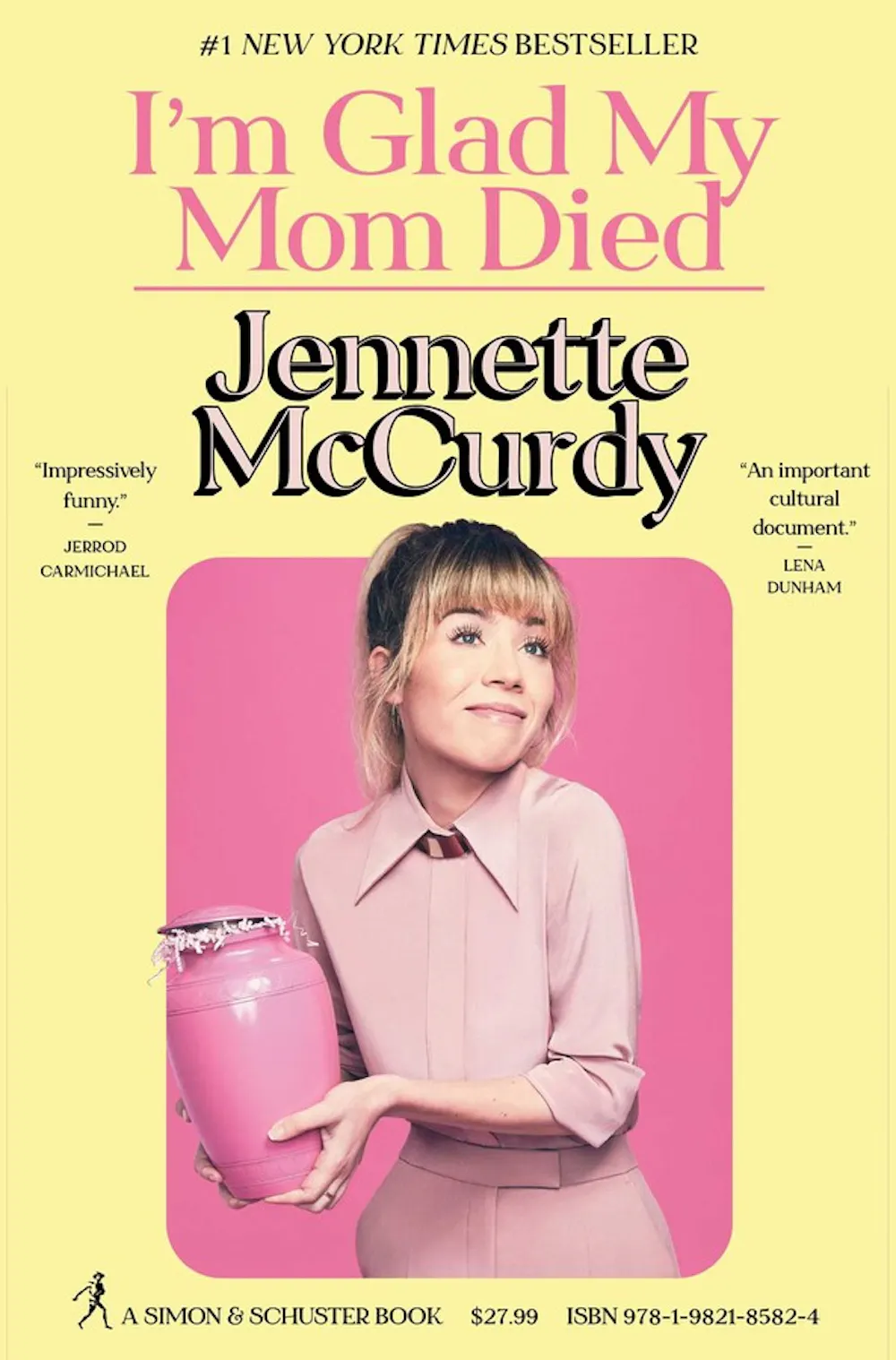 The iCarly actor’s titillatingly titled memoir topped charts earlier this year and became a hot topic in many media circles. The book deals with child stardom, abusive parent–child relationships, and what it means to begin anew.
Among other horrors, McCurdy describes how her mum, Debbie, insisted on bathing her into her teens, pressured her to cry on cue, hid her daughter’s income, and encouraged an eating disorder. As McCurdy enters young adulthood and seeks treatment for her mental health, she reluctantly realises that her mother’s behaviour was abusive. She attempts to convey her hurt to her mum (to no avail) and they become estranged.
McCurdy has been unwavering in her commitment to representing her childhood in honest detail – even if it paints her now-deceased mother in a damning light. In one interview, Drew Barrymore asked McCurdy about how to write honestly about difficult family relationships: “Does someone have to die?”. McCurdy replies, “We have to write as if someone has died”. Later McCurdy states, “If saying the truth ends a relationship, it’s probably a relationship which needed to end.”
One writer who writes as if her subjects are already dead is Rachel Cusk. In her essay, Coventry, Cusk reflects on silence; how her parents used it to punish her as a child, and how they use it as a tool after she writes things they are unhappy about.
In her essay, Cusk’s then-husband worries he’s caused a silence by asking her parents where his wife’s “honesty” came from. This honesty is Cusk’s dedication to writing (her) truth, as if her subjects will not retaliate. Doing so causes its own rifts, but Cusk says, “Wanting people to like you corrupts your writing.”
Drew Barrymore and Jennette McCurdy bonded over their difficult relationships with their mothers.“People”, in the stories of memoirists, are often family. Likeability or allegiance goes out the window for writers like Cusk, no matter the consequences. While McCurdy and Cusks’s traumas and griefs are complex, they steadfastly assert their right to tell stories. McCurdy reflects on the strength writing gives her:
Through writing, I feel power for maybe the first time in my life. I don’t have to say somebody else’s words. I can write my own.
Making the story their own
Estrangement is often about different parties having “different stories”. So sharing narratives of estrangement can be a way of testifying to individual truth and owning one’s story. Shannon Burns’s Childhood does just this.
While McCurdy was propelled from poverty into child-stardom, Burns struggles to “escape” his impoverished childhood in Adelaide’s outer suburbs. Burns’ story testifies to the ways disadvantage and poverty can influence the strength and stability of family ties.
I spoke to Burns, who told me,
“Escape” is tricky when it comes to family or community. You have to leave more behind than you would like to because the connections run deep. The people, places and things that you love are bound to the people, places and things that you despise. There is no way of separating them, so you make the choice: do I remain in this world, or do I let it go?
His aim in sharing his story was to generate “more conversation around the impact of poverty and related concerns (lack of public housing, a punitive welfare system, educational inequality) on children”.
The iCarly actor’s titillatingly titled memoir topped charts earlier this year and became a hot topic in many media circles. The book deals with child stardom, abusive parent–child relationships, and what it means to begin anew.
Among other horrors, McCurdy describes how her mum, Debbie, insisted on bathing her into her teens, pressured her to cry on cue, hid her daughter’s income, and encouraged an eating disorder. As McCurdy enters young adulthood and seeks treatment for her mental health, she reluctantly realises that her mother’s behaviour was abusive. She attempts to convey her hurt to her mum (to no avail) and they become estranged.
McCurdy has been unwavering in her commitment to representing her childhood in honest detail – even if it paints her now-deceased mother in a damning light. In one interview, Drew Barrymore asked McCurdy about how to write honestly about difficult family relationships: “Does someone have to die?”. McCurdy replies, “We have to write as if someone has died”. Later McCurdy states, “If saying the truth ends a relationship, it’s probably a relationship which needed to end.”
One writer who writes as if her subjects are already dead is Rachel Cusk. In her essay, Coventry, Cusk reflects on silence; how her parents used it to punish her as a child, and how they use it as a tool after she writes things they are unhappy about.
In her essay, Cusk’s then-husband worries he’s caused a silence by asking her parents where his wife’s “honesty” came from. This honesty is Cusk’s dedication to writing (her) truth, as if her subjects will not retaliate. Doing so causes its own rifts, but Cusk says, “Wanting people to like you corrupts your writing.”
Drew Barrymore and Jennette McCurdy bonded over their difficult relationships with their mothers.“People”, in the stories of memoirists, are often family. Likeability or allegiance goes out the window for writers like Cusk, no matter the consequences. While McCurdy and Cusks’s traumas and griefs are complex, they steadfastly assert their right to tell stories. McCurdy reflects on the strength writing gives her:
Through writing, I feel power for maybe the first time in my life. I don’t have to say somebody else’s words. I can write my own.
Making the story their own
Estrangement is often about different parties having “different stories”. So sharing narratives of estrangement can be a way of testifying to individual truth and owning one’s story. Shannon Burns’s Childhood does just this.
While McCurdy was propelled from poverty into child-stardom, Burns struggles to “escape” his impoverished childhood in Adelaide’s outer suburbs. Burns’ story testifies to the ways disadvantage and poverty can influence the strength and stability of family ties.
I spoke to Burns, who told me,
“Escape” is tricky when it comes to family or community. You have to leave more behind than you would like to because the connections run deep. The people, places and things that you love are bound to the people, places and things that you despise. There is no way of separating them, so you make the choice: do I remain in this world, or do I let it go?
His aim in sharing his story was to generate “more conversation around the impact of poverty and related concerns (lack of public housing, a punitive welfare system, educational inequality) on children”.
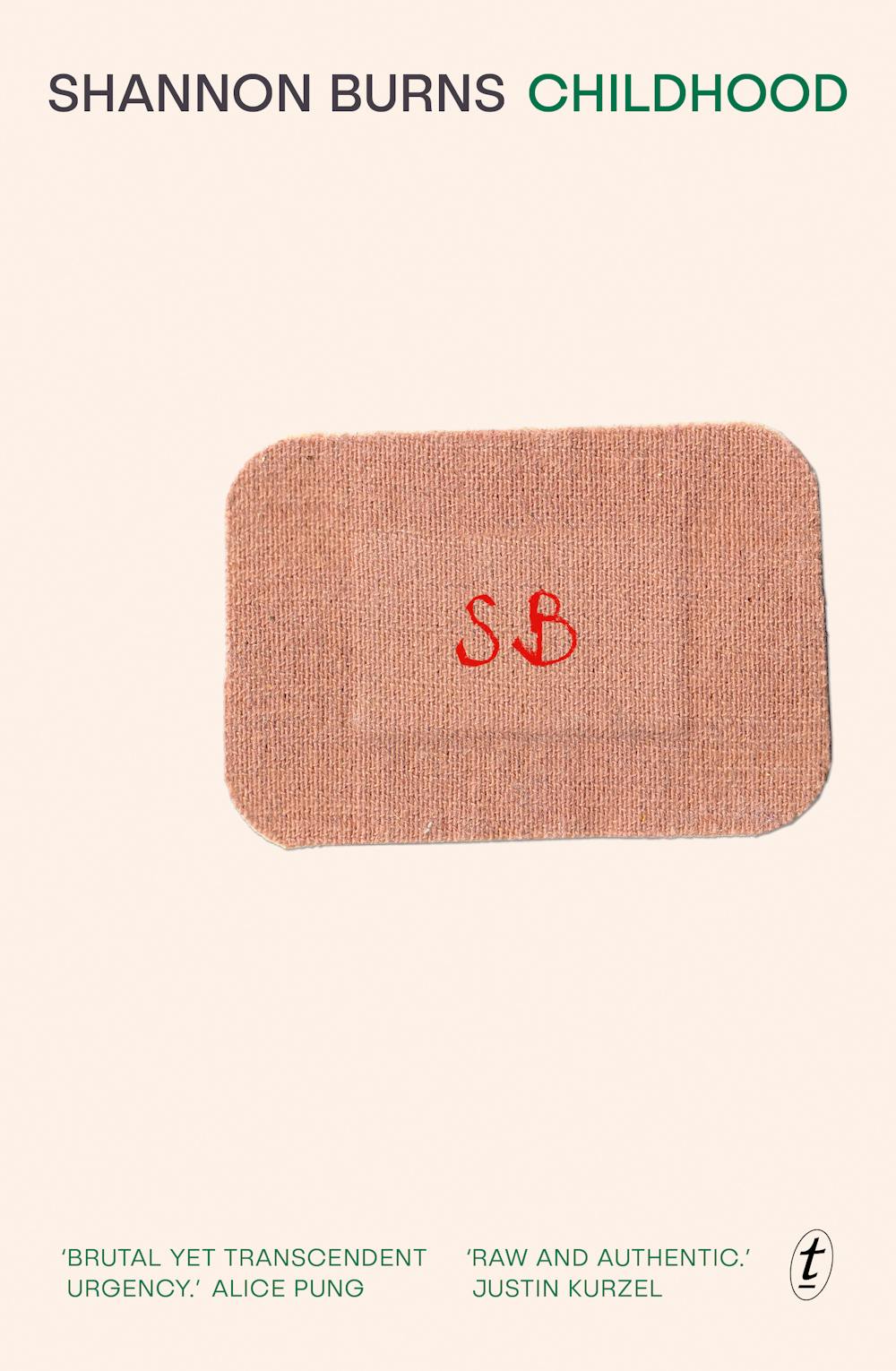 Research indicates that socioeconomic status can lead to “harsher” parenting, and poor parent-child relationships. “When parents suffer, children suffer,” Burns told me, “because they can become the focus of their rage and frustration”.
In his memoir, Burns describes how his mother bounced between bouts of neglect, physical abuse and emotional manipulation. His already waning regard for his father deteriorated further when he realised his predatory nature. Burns ruminates (in the third person) on his 15-year-old self and a first attempt at freedom from his parents, stating
the thing that has changed is him. He has either run out of endurance or he refuses to endure.
For a long time, he “endured” parental relationships that took significant energy and continued to cause him pain. Eventually, though, he cut ties. He writes about the “surprise” and “pride” of hitting his twenties and realising he hadn’t seen his mother for ten years. At the time of writing Childhood, he states he hasn’t seen his father and stepfamily for 15 years.
While writing his memoir forced Burns to reinhabit a world he’d “happily left behind”, it also allowed him a level of authority and agency in shaping stories of his childhood and fraught family relationships.
Read more:
Shannon Burns' Childhood is a story of disconnection, neglect, violence and poverty
Negotiating ‘truth’
When the same story is remembered in different ways, there can be confusion around why estrangement happened in the first place. The Hidden Voices study found that 67% of adult children estranged from their parents claimed they’d “concretely” told them why, but more than 60% of estranged parents claimed their children hadn’t told them the reasons they’d cut off contact.
Research indicates that socioeconomic status can lead to “harsher” parenting, and poor parent-child relationships. “When parents suffer, children suffer,” Burns told me, “because they can become the focus of their rage and frustration”.
In his memoir, Burns describes how his mother bounced between bouts of neglect, physical abuse and emotional manipulation. His already waning regard for his father deteriorated further when he realised his predatory nature. Burns ruminates (in the third person) on his 15-year-old self and a first attempt at freedom from his parents, stating
the thing that has changed is him. He has either run out of endurance or he refuses to endure.
For a long time, he “endured” parental relationships that took significant energy and continued to cause him pain. Eventually, though, he cut ties. He writes about the “surprise” and “pride” of hitting his twenties and realising he hadn’t seen his mother for ten years. At the time of writing Childhood, he states he hasn’t seen his father and stepfamily for 15 years.
While writing his memoir forced Burns to reinhabit a world he’d “happily left behind”, it also allowed him a level of authority and agency in shaping stories of his childhood and fraught family relationships.
Read more:
Shannon Burns' Childhood is a story of disconnection, neglect, violence and poverty
Negotiating ‘truth’
When the same story is remembered in different ways, there can be confusion around why estrangement happened in the first place. The Hidden Voices study found that 67% of adult children estranged from their parents claimed they’d “concretely” told them why, but more than 60% of estranged parents claimed their children hadn’t told them the reasons they’d cut off contact.
 Some storytellers choose to acknowledge, and even seek out, their parent’s version of truth. After the publication of her memoir The Anti-Cool Girl, about a turbulent upbringing between an unsafe family home and the Australian foster care system, Rosie Waterland decided to ask her mum Lisa for her side of the story.
In each episode of her 2018 podcast, My Mum Says My Memoir Is A Lie, Waterland reads a chapter of her book, then she and her mum engage in “heated discussions” about the content.
They sometimes exchange playful banter about their contradicting memories. Lisa says, “I never would’ve allowed you to come home at ten o'clock”. Waterland replies, “That is not true because we used to play these long long games […] when it was really dark.” “No way!” retorts Lisa, “You are just trying to picture yourself and all those kids as ragamuffins or something.”
A few episodes later, Waterland describes Lisa running around their home, drunk, waving a knife around. “That night was fucked up, Mum,” Waterland says sombrely. Lisa replies, “I was mucking around!” Waterland disputes this vehemently, stating that it was one of the scariest moments of her life. In a 2021 interview, Waterland stated that she and Lisa are no longer speaking.
While Waterland’s act of collaborative storytelling was purposeful, Tara Westover’s was not. After Westover published her memoir Educated, about escaping a controlling and violent ultra-religious environment in the pursuit of knowledge, her mother self-published her own memoir, disputing many of Westover’s claims.
Some storytellers choose to acknowledge, and even seek out, their parent’s version of truth. After the publication of her memoir The Anti-Cool Girl, about a turbulent upbringing between an unsafe family home and the Australian foster care system, Rosie Waterland decided to ask her mum Lisa for her side of the story.
In each episode of her 2018 podcast, My Mum Says My Memoir Is A Lie, Waterland reads a chapter of her book, then she and her mum engage in “heated discussions” about the content.
They sometimes exchange playful banter about their contradicting memories. Lisa says, “I never would’ve allowed you to come home at ten o'clock”. Waterland replies, “That is not true because we used to play these long long games […] when it was really dark.” “No way!” retorts Lisa, “You are just trying to picture yourself and all those kids as ragamuffins or something.”
A few episodes later, Waterland describes Lisa running around their home, drunk, waving a knife around. “That night was fucked up, Mum,” Waterland says sombrely. Lisa replies, “I was mucking around!” Waterland disputes this vehemently, stating that it was one of the scariest moments of her life. In a 2021 interview, Waterland stated that she and Lisa are no longer speaking.
While Waterland’s act of collaborative storytelling was purposeful, Tara Westover’s was not. After Westover published her memoir Educated, about escaping a controlling and violent ultra-religious environment in the pursuit of knowledge, her mother self-published her own memoir, disputing many of Westover’s claims.
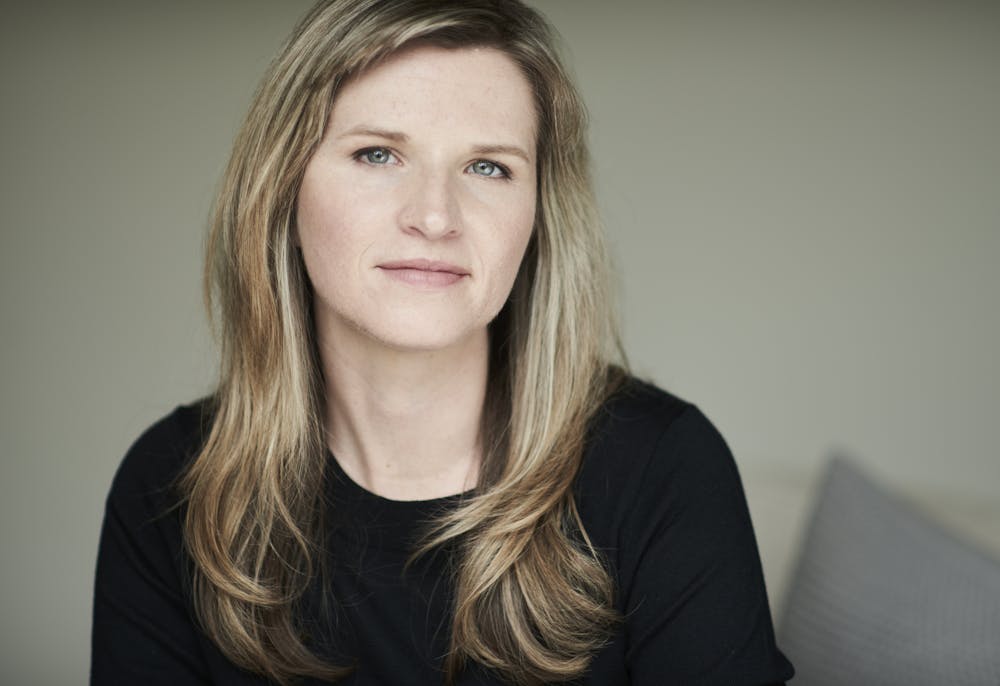 Tara Westover, whose mother self-published her own memoir in response to Tara’s book, Educated.
Paul Stuart
In an interview Westover states, “In families like mine there is no crime worse than telling the truth”.
For Westover and Waterland, differing views of a shared story are played out in public: revised and revisited through the story form. Such layered storytelling can pave the way for deeper discussions regarding the complexity of estrangement.
Read more:
Friday essay: The personal is now commercial – popular feminism online
Everyday estrangement
Everyday people with diverse experiences of estrangement are increasingly being encouraged to publicly share their stories. A notable example is SBS’s series Look Me In the Eye, which began in 2017. The show explores what happens when two estranged people share eye contact for five minutes, without conversation. Participants are invited to talk after this period.
One estranged pair is a mother and son. The mother, Jenny, moved from China to Australia with her only son, Carl. Jenny was raised in a strict Chinese family and has different values to her Australian-raised son. She mourns the loss of their relationship after Carl moved in with his girlfriend when he was 19.
Jenny describes feeling abandoned and hurt, and that she lost her best friend. Carl describes how he loves and misses his mum, but feels their rift was caused by unrealistic expectations and an attachment that left him feeling stifled and unable to “be his own person”. The episode ends with a tentative reunion – a goal of the show.
SBS’s series Look me in the Eye encourages everyday people to share their estrangement stories.More recently, a 2021 episode of ABC Nightlife saw several callers (often parents) describing stories of family breakdown. One caller detailed how his children wouldn’t speak to him after he left their mother, and how he longs to meet his grandchildren, born after their estrangement. Another caller described how she had an affair due to an emotionally absent spouse, and all but one of her children subsequently cut her off.
One caller, the only “child” to call, explicitly urges others to heal wounds. He says that he had a difficult relationship with his father, until his father fell critically ill. They put aside their differences and became closer. He urges listeners:
Please, get over it, whatever it is […] bury whatever it is, and just love one another, because when it’s gone you’ll do anything to have it back.
The point of these media programs is often to encourage reconnection. But they also provide public platforms for discussing estrangement.
True stories, in all their forms – and the inherent complexities they contain – can spark conversations on estrangement’s varied forms and causes. Sharing experiences can help reduce the shame of a taboo topic. Hopefully, increasing the profile of family estrangement and reducing its stigma may also lead to deeper research.
Authors: Marina Deller, PhD Candidate, Flinders University
Tara Westover, whose mother self-published her own memoir in response to Tara’s book, Educated.
Paul Stuart
In an interview Westover states, “In families like mine there is no crime worse than telling the truth”.
For Westover and Waterland, differing views of a shared story are played out in public: revised and revisited through the story form. Such layered storytelling can pave the way for deeper discussions regarding the complexity of estrangement.
Read more:
Friday essay: The personal is now commercial – popular feminism online
Everyday estrangement
Everyday people with diverse experiences of estrangement are increasingly being encouraged to publicly share their stories. A notable example is SBS’s series Look Me In the Eye, which began in 2017. The show explores what happens when two estranged people share eye contact for five minutes, without conversation. Participants are invited to talk after this period.
One estranged pair is a mother and son. The mother, Jenny, moved from China to Australia with her only son, Carl. Jenny was raised in a strict Chinese family and has different values to her Australian-raised son. She mourns the loss of their relationship after Carl moved in with his girlfriend when he was 19.
Jenny describes feeling abandoned and hurt, and that she lost her best friend. Carl describes how he loves and misses his mum, but feels their rift was caused by unrealistic expectations and an attachment that left him feeling stifled and unable to “be his own person”. The episode ends with a tentative reunion – a goal of the show.
SBS’s series Look me in the Eye encourages everyday people to share their estrangement stories.More recently, a 2021 episode of ABC Nightlife saw several callers (often parents) describing stories of family breakdown. One caller detailed how his children wouldn’t speak to him after he left their mother, and how he longs to meet his grandchildren, born after their estrangement. Another caller described how she had an affair due to an emotionally absent spouse, and all but one of her children subsequently cut her off.
One caller, the only “child” to call, explicitly urges others to heal wounds. He says that he had a difficult relationship with his father, until his father fell critically ill. They put aside their differences and became closer. He urges listeners:
Please, get over it, whatever it is […] bury whatever it is, and just love one another, because when it’s gone you’ll do anything to have it back.
The point of these media programs is often to encourage reconnection. But they also provide public platforms for discussing estrangement.
True stories, in all their forms – and the inherent complexities they contain – can spark conversations on estrangement’s varied forms and causes. Sharing experiences can help reduce the shame of a taboo topic. Hopefully, increasing the profile of family estrangement and reducing its stigma may also lead to deeper research.
Authors: Marina Deller, PhD Candidate, Flinders University


 Daily Bulletin


