

How do we make workplaces work for autistic people?
- Written by: Sandra Jones, Pro Vice-Chancellor, Research Impact, Australian Catholic University

The unemployment rate in Australia for autistic people is 34.1%, according to the most recent data. This is more than three times the rate for people with disability (10.3%) and almost eight times the rate of people without disability (4.6%).
Autistic people are more likely to work part-time or be employed in roles that under-utilise their skills. Our research has similarly found that autistic adults in Australia are unemployed or under-employed but eager to be engaged in meaningful employment that uses their skills and qualifications.
Read more: Hannah Gadsby navigates the mirror maze of trauma as an autistic, gender queer comedian
What jobs can autistic people do?
We asked more than 2,000 non-autistic Australians this question. The majority agreed that autistic people could be artists or musicians, supermarket shelf stackers and computer programmers. However, far fewer believed they could be lawyers or doctors.
While we read a lot about autistic people being ideally suited to IT roles, we need to move beyond that stereotype. Autistic people can and do succeed in a wide range of careers. If you are looking for inspiration beyond the stereotype of the computer nerd, check out lawyer Haley Moss, comedian Hannah Gadsby, journalist Eric Garcia, or Nobel Prize-winning economist Vernon Smith.

While we see a lot of discussion about the challenges and limitations associated with autism, autistic people bring a range of strengths to the workplace.
Strengths identified by autistic employees include cognitive aspects such as intense focus, memory and creative thinking; work habits such as efficiency and attention to detail; and personal characteristics such as honesty and loyalty. Similarly, employers report a range of strengths of autistic employees, including intelligence, diligence, honesty and reliability.
However, as autistic people have experienced in many other aspects of our lives, these same traits can be perceived and experienced as positive or negative – depending on the level of support and inclusion in the workplace.
Sadly, the limited evidence on the experiences of autistic people in the workplace is not encouraging. A recent UK study that included 95 autistic adults found that 73% felt their managers never understood or valued their neurodivergence. Sixty per cent experienced bullying or other workplace problems that led to being sacked or resigning.
 Professor Sandra Jones is an autistic researcher.
Author provided
Professor Sandra Jones is an autistic researcher.
Author provided
When I was younger and looking around for a career (without an autism diagnosis at the time, but very aware I was “different” from my peers), I thought a university researcher might be the ideal choice. I imagined locking myself away in an ivory tower and putting my extensive knowledge of a very specific topic to use. Sadly, it is not that simple.
In a recent study, I explored the employment experiences of 37 autistic people working in academia. Key challenges they identified included: the complexities of social interaction, the breadth of activity, differences in information processing styles, challenges with interpersonal communication, and physical aspects of the work environment.
So, how can we make workplaces more inclusive?
There is growing evidence that employers are open to, and even enthusiastic about, employing autistic people.
 However, there are substantial differences between autistic employees and their employers, in terms of expectations and understanding.
Importantly, research shows that autistic employees with appropriate workplace adjustments, a supportive workplace and adequate social supports are more likely to be in appropriate employment that puts their skills to use.
Here are a few suggestions for starting to create autism-friendly workplaces:
Culture
It is not enough to invite us into the workplace. You need to ensure we feel welcome and safe after we accept the invitation. This means ensuring the organisation – and particularly those in leadership and management roles – has an understanding of autism and a genuine commitment to the inclusion of autistic people.
Recruitment
One of the significant barriers to employment for autistic people is the interview process. In addition to the complex issue of whether to disclose our autism and risk rejection, the process itself is rarely autism-friendly. Small changes such as providing the questions in advance, and being accepting of different communication styles, can make a big difference. Ideally, consider skipping the interview process altogether and allowing the autistic candidate to demonstrate their skills rather than “perform” for an interview panel.
Flexibility
Be open to different ways of working that use the strengths of your autistic employees. This might mean flexible working hours or working locations. It might also mean accepting we have different ways of processing information and communicating ideas.
Environment
Many autistic people have sensory issues, such as being very sensitive to bright lights, strong smells or loud noises. Consider simple changes to the environment such as installing dimmer switches, replacing furnishings, or even looking beyond the “rules” around who is entitled to an office. Consider the sensory needs of your autistic employee when booking meeting rooms or choosing locations for events.
Strengths
Autistic people bring a range of strengths to the workplace. In designing a job for an autistic employee, involve them in a discussion of how these strengths can be brought to the role. How can they use their special interests, attention to detail, intense focus, commitment and other skills to excel? At the same time, how can the role be modified to reduce the challenges they may face? For me, this might mean negotiating to have less involvement in meetings and networking activities.
Support
As an autistic person trying to navigate the predominantly non-autistic world of work, one of the things that has been most helpful to me has been having a mentor – someone I could go to for advice on what I needed to do to succeed in my role and how to interpret the unwritten rules of the work environment. Consider setting up a mentoring program for your autistic employees; bonus points if you can find them both an autistic mentor (as a role model and advisor) and a non-autistic mentor (as an interpreter).
Dialogue
Above all else, the key to success is an ongoing conversation between the autistic employee and their employer. Ask what autistic people need to feel supported and valued in the workplace, listen to their concerns and needs, talk to them about workplace expectations, and engage them in building a truly inclusive workplace.
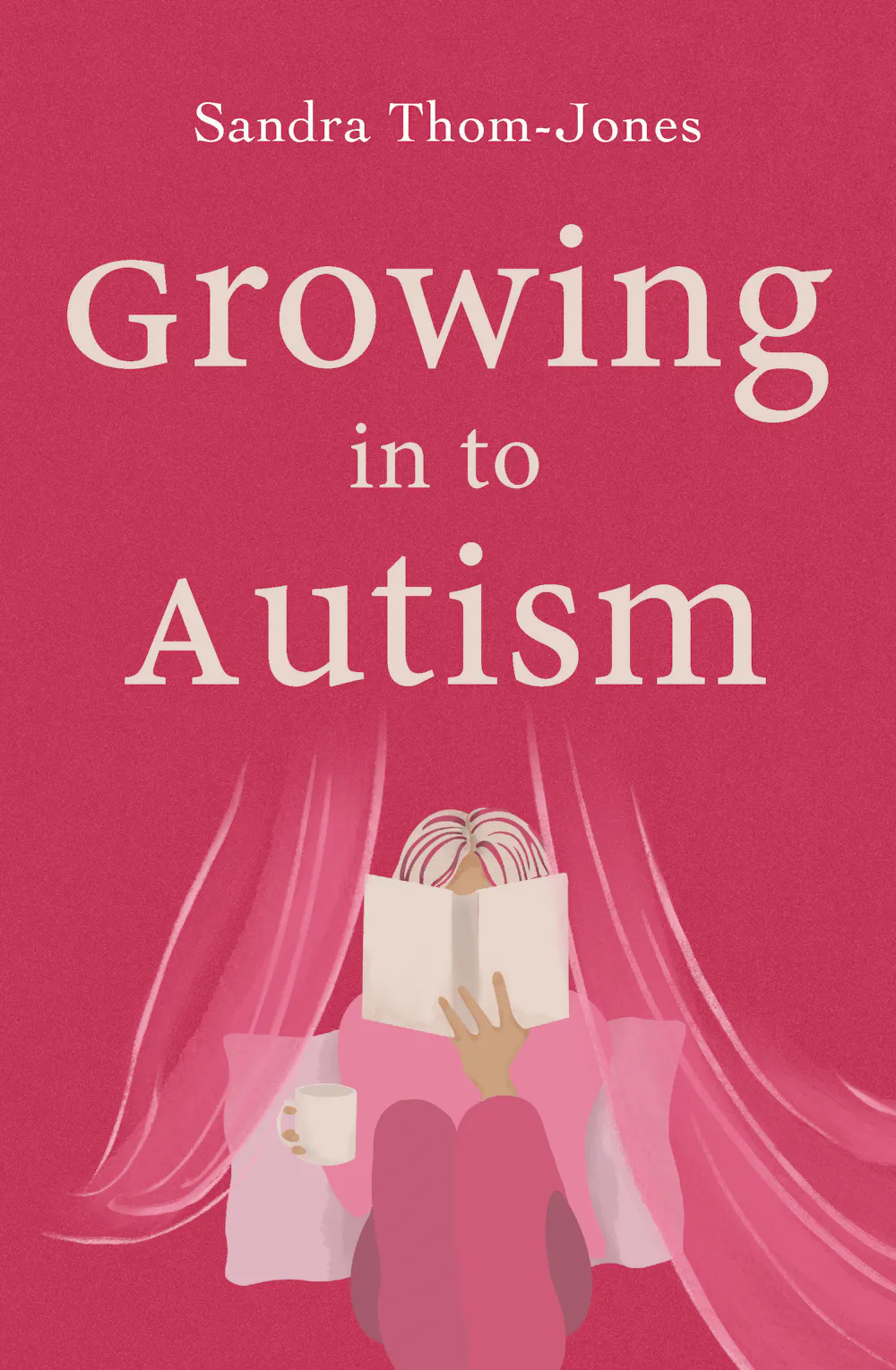
I have had an exciting and fulfilling – and at times challenging – career. If you have read my book, you will know my autism is not something I had to “overcome” to succeed, but rather something that is a fundamental part of what I bring to my role.
Read more:
Australia has a new online-only private school: what are the options if the mainstream system doesn't suit your child?
Authors: Sandra Jones, Pro Vice-Chancellor, Research Impact, Australian Catholic University
However, there are substantial differences between autistic employees and their employers, in terms of expectations and understanding.
Importantly, research shows that autistic employees with appropriate workplace adjustments, a supportive workplace and adequate social supports are more likely to be in appropriate employment that puts their skills to use.
Here are a few suggestions for starting to create autism-friendly workplaces:
Culture
It is not enough to invite us into the workplace. You need to ensure we feel welcome and safe after we accept the invitation. This means ensuring the organisation – and particularly those in leadership and management roles – has an understanding of autism and a genuine commitment to the inclusion of autistic people.
Recruitment
One of the significant barriers to employment for autistic people is the interview process. In addition to the complex issue of whether to disclose our autism and risk rejection, the process itself is rarely autism-friendly. Small changes such as providing the questions in advance, and being accepting of different communication styles, can make a big difference. Ideally, consider skipping the interview process altogether and allowing the autistic candidate to demonstrate their skills rather than “perform” for an interview panel.
Flexibility
Be open to different ways of working that use the strengths of your autistic employees. This might mean flexible working hours or working locations. It might also mean accepting we have different ways of processing information and communicating ideas.
Environment
Many autistic people have sensory issues, such as being very sensitive to bright lights, strong smells or loud noises. Consider simple changes to the environment such as installing dimmer switches, replacing furnishings, or even looking beyond the “rules” around who is entitled to an office. Consider the sensory needs of your autistic employee when booking meeting rooms or choosing locations for events.
Strengths
Autistic people bring a range of strengths to the workplace. In designing a job for an autistic employee, involve them in a discussion of how these strengths can be brought to the role. How can they use their special interests, attention to detail, intense focus, commitment and other skills to excel? At the same time, how can the role be modified to reduce the challenges they may face? For me, this might mean negotiating to have less involvement in meetings and networking activities.
Support
As an autistic person trying to navigate the predominantly non-autistic world of work, one of the things that has been most helpful to me has been having a mentor – someone I could go to for advice on what I needed to do to succeed in my role and how to interpret the unwritten rules of the work environment. Consider setting up a mentoring program for your autistic employees; bonus points if you can find them both an autistic mentor (as a role model and advisor) and a non-autistic mentor (as an interpreter).
Dialogue
Above all else, the key to success is an ongoing conversation between the autistic employee and their employer. Ask what autistic people need to feel supported and valued in the workplace, listen to their concerns and needs, talk to them about workplace expectations, and engage them in building a truly inclusive workplace.
I have had an exciting and fulfilling – and at times challenging – career. If you have read my book, you will know my autism is not something I had to “overcome” to succeed, but rather something that is a fundamental part of what I bring to my role.
Read more:
Australia has a new online-only private school: what are the options if the mainstream system doesn't suit your child?
Authors: Sandra Jones, Pro Vice-Chancellor, Research Impact, Australian Catholic UniversityRead more https://theconversation.com/how-do-we-make-workplaces-work-for-autistic-people-189572


 Daily Bulletin


