

Relax, Australia does not have (and is not likely to have) a shortage of food
- Written by: Stephen Bartos, Visiting Fellow, Crawford School of Public Policy, Australian National University
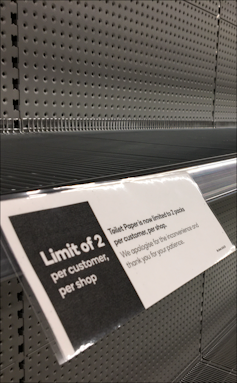
Australia does not have a food shortage. Supply has been disrupted in some locations due to staff absences caused by COVID, that’s all.
This is primarily a distribution problem, not a lack of food problem. Meat shortages may emerge (abattoirs are notorious COVID hot spots) but there are plenty of other types of food awaiting distribution.
Nonetheless, in places where large numbers of truck drivers and warehouse workers have the virus or are required to isolate, some food is not getting to stores.
The good news is that food supply chains are flexible and adjust quickly, meaning current shortages are likely a temporary inconvenience rather than an ongoing problem.
I was lead author for a detailed analysis of resilience of the Australian food chain for the agriculture department in 2012. It remains relevant.
A key finding was that while our food supply chains were highly resilient, they were potentially vulnerable if two or more different disruptions (such as a natural disaster, pandemic or biosecurity emergency) occured simultaneously.
Food isn’t supplied just-in-time
In this regard Australia has been lucky. We are not currently experiencing major natural disasters – nothing comparable to Victoria’s Black Saturday bushfires in 2009 or Brisbane floods of 2010-11 – in addition to COVID.
Cybersecurity in the food supply chain remains robust, as does plant and animal health. If the luck holds, our current shortages will be localised and temporary.
Moreover, some of the weaknesses identified in the 2012 report have been addressed since.
Read more: COVID revealed flaws in our food supply. It gives us a chance to fix them
For example, we are less reliant on imports for packaging materials, we are better at getting food to north Queensland, and our different levels of government communicate better on food security issues.
However other weaknesses persist, including low levels of what the report called “food literacy” (that is, understanding among consumers of how to prepare food and what foods can substitute for other foods).
This means people can perceive shortages even when food is well supplied.
And aspects of the supply chain remain poorly understood. A common misconception is that wholesalers and retailers operate on a “just-in-time” basis. They don’t.
Warehouses hold large stocks
The just-in-time concept, used in Japan’s car industry, reduces holdings of parts and spares in a factory to a minimum and delivers components from suppliers to assembly lines just as they are required, minimising storage costs.
Food retailers would face big risks if they adopted such an approach, and they know it.
Stock outages upset customers. Supermarkets aim to have enough goods on their shelves not to risk losing their customers to competitors, although not so many as to cause wastage.
Food waste is already a big problem in Australia, costly and a contributor to greenhouse gas emissions. Extra stocking would make it worse.
Holding more would waste more
The same applies to warehouses. Retailers want ready access to restocking from nearby warehouses, especially if there is a run on a particular food product.
Australian warehouses maintain large stocks to cover these eventualities.
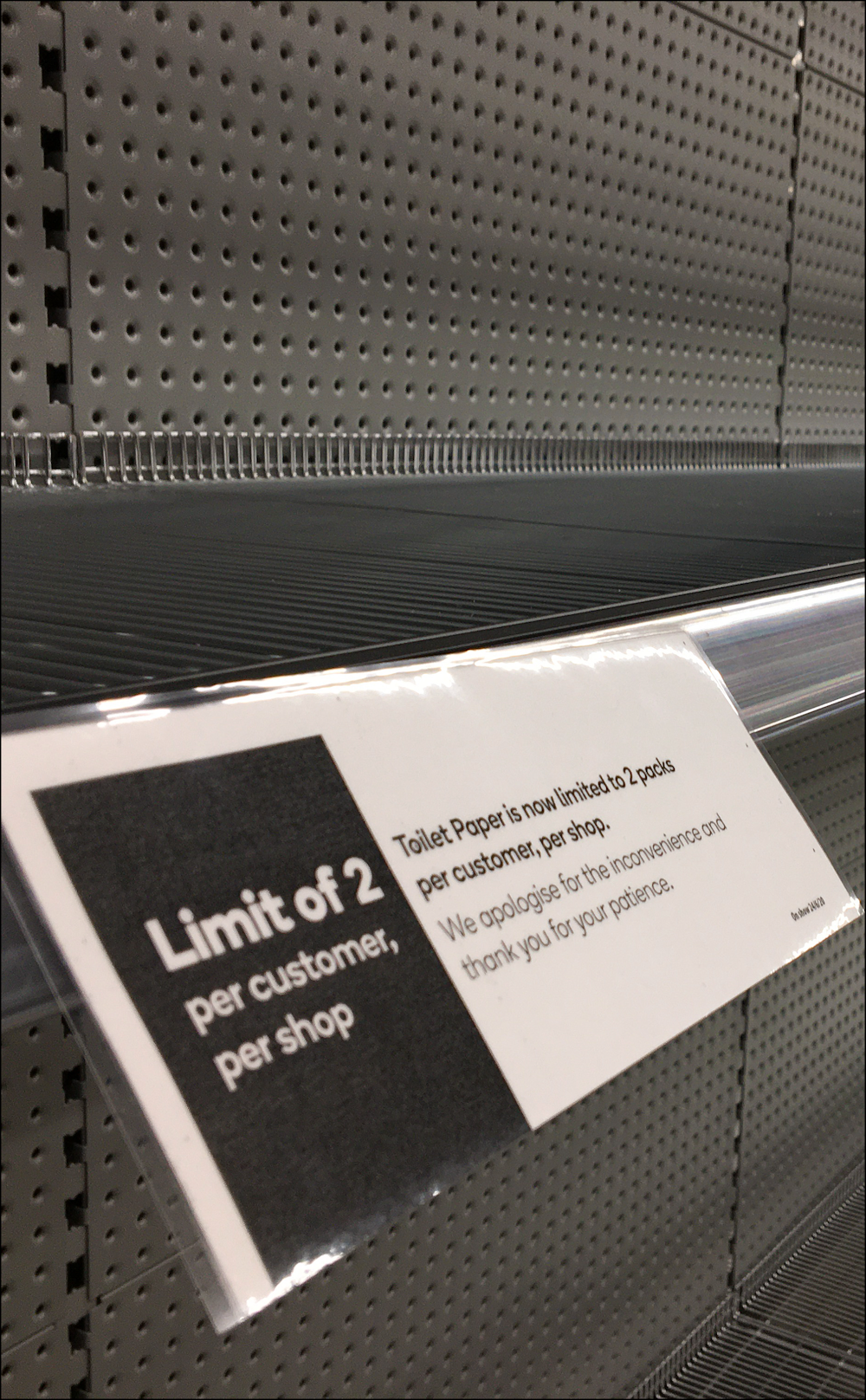
It is true that even these can come under strain when stories about shortages become self-fulfilling by encouraging panic buying.
Fortunately, Australia’s experience (remember 2020 toilet paper panic) is these panics do not last long.
While panics are underway food outages are indeed worrying for consumers.
The current ones may last a while – two to three weeks according to Woolworths chief Brad Banducci.
There could be others in future if more virulent and contagious COVID-19 variants emerge. But these problems are driven not by insufficient food but by too few staff to move it.
What should we do when empty shelves emerge?
One suggestion for how to respond to the possibility of empty shelves is that people buy three weeks’ food supply (based on the length of past supermarket crises). It might work for some, but it would be counterproductive for others.
If people don’t know what three weeks of food looks like, or make poor choices, the likely result is more waste.
Try it with lettuce, bean sprouts or fish, and see how it holds up after three weeks.
For the many low-income households who buy what they can afford on a day to day basis, three weeks supply of food is out of reach.
A more straightforward approach is to adapt, innovate and shop around.
Try substitution
Most foods have substitutes. Noodles substitute for rice and vice versa. Beans can replace meat. Beans are cheaper, more sustainable and more likely to be more available.
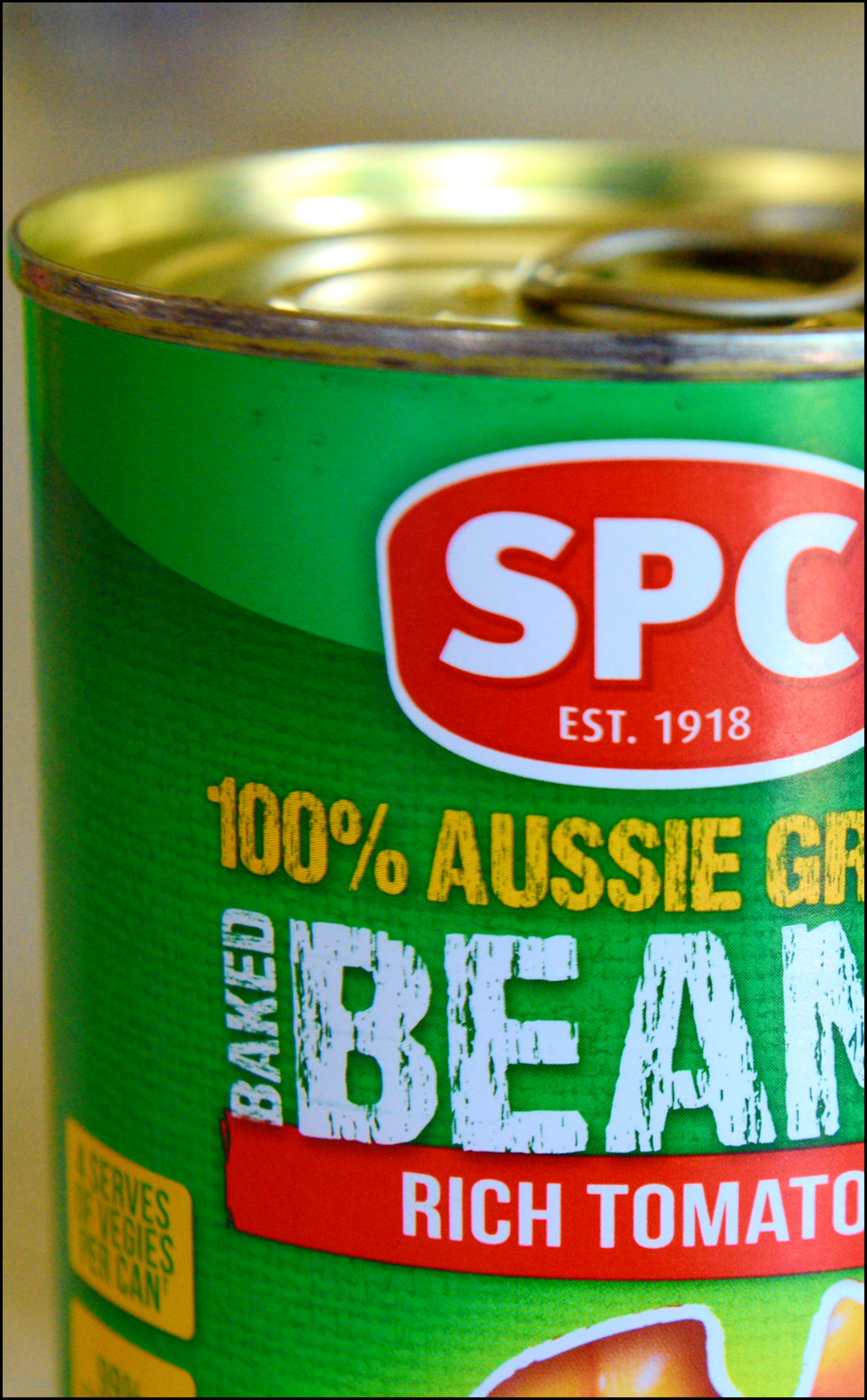 Beans can replace meat.
Dan Peled/AAP
Beans can replace meat.
Dan Peled/AAP
There are different supply chains for different types of food. Fresh and frozen vegetables, for example, come from different sources on different trucks.
Unless all the drivers on all the routes are sick or isolating, substituting fresh for frozen (or vice versa) ensures we still have food.
And different shops have different supply chains, Asian grocers and farmers markets among them.
Small suppliers with their own networks and produce are likely to see the woes of the big supermarkets as an opportunity.
There is little role for governments other than to continue vaccination and public health measures.
At this point, the sensible approach is to wait to see how Australia’s historically robust systems respond.
In the longer term governments could help by commissioning a new independent and rigorous analysis of supply chain vulnerabilities (the one I led was in 2012) and ensuring the lessons from COVID form part of it.
Who knows, it might be ready for when the next crisis hits.
Authors: Stephen Bartos, Visiting Fellow, Crawford School of Public Policy, Australian National University
-a-shortage-of-food&media=https://dailybulletin.com.au/https://images.theconversation.com/files/440373/original/file-20220112-25-itbktx.png?ixlib=rb-1.1.0&q=45&auto=format&w=237&fit=clip&description=Relax,%20Australia%20does%20not%20have%20(and%20is%20not%20likely%20to%20have)%20a%20shortage%20of%20food "Pin It")

 Daily Bulletin


