

The evidence is in. WHO says corticosteroids really do save lives of people critically ill with COVID-19
- Written by: Andrew McLachlan, Head of School and Dean of Pharmacy, University of Sydney
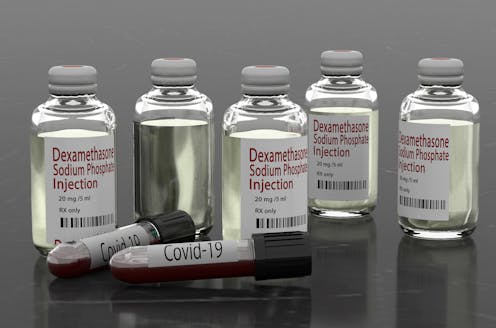
Readily available drugs, which dampen the runaway inflammatory response in patients severely ill with COVID-19, save lives, according to evidence released this week.
An analysis by the World Health Organisation (WHO), which drew together results from several studies, confirms the benefit of this group of anti-inflammatory steroid drugs, known as corticosteroids.
While earlier studies showed the apparent benefit of one of these drugs, dexamethasone, this latest evidence goes further.
It shows other cheap and readily available corticosteroid drugs, including hydrocortisone, could benefit patients at the life-threatening stages of coronavirus infection.
Remind me again, what are corticosteroids?
Corticosteroids have been used for decades to treat a variety of inflammatory conditions. These include severe forms of lung inflammation, such as pneumonia, shock due to infection, and severe respiratory syndromes. They are also used to treat more common conditions, including asthma and eczema.
These medicines are on the WHO list of essential medicines, meaning they are widely available (usually at low cost).
Read more: What medicines would we pack for a trip to Mars?
What do we already know about corticosteroids for COVID-19?
In June, early release of results from the RECOVERY trial showed dexamethasone reduced the risk of death by up to a third in people hospitalised with COVID-19 who needed a ventilator to help them breathe.
Results of the dexamethasone trial were released early.Despite the early release of the trial results, and limited details at the time, the findings were compelling and clinical practice changed.
Several other trials were stopped. All patients switched to receive active treatment with a corticosteroid.
The results of the RECOVERY trial have since been formally peer reviewed and published.
Read more: Dexamethasone: the cheap, old and boring drug that's a potential coronavirus treatment
What does the latest evidence say?
The WHO drew together results from seven randomised clinical trials, including data from 1,703 critically ill patients with COVID-19.
This is a powerful and compelling way to combine information and truly address the question of whether these medicines benefit people in hospital critically unwell with COVID-19.
Read more: ICU ventilators: what they are, how they work and why it's hard to make more
The study, which included patients from Australia and New Zealand, found almost 33% of people treated with corticosteroids died within 28 days of treatment. This was compared with 41% of patients who received supportive care (or placebo). Corticosteroid treatment helped patients whether or not they needed ventilation or oxygen.
Importantly, the analysis also concluded the benefits were not specific to one corticosteroid drug but were the same for dexamethasone and hydrocortisone.
Corticosteroids can also have an impact on the immune system. So the researchers looked at the risk of infection from other causes, for example bacterial pneumonia, and found it was not a major concern.
What does this mean for patients?
The weight of evidence has led WHO guidelines this week to strongly recommend using corticosteroids to treat people with severe or critical COVID-19.
This aligns with current Australian guidelines for treating hospitalised patients with COVID-19 needing oxygen support.
Corticosteroids are not for everyone and are not a cure
It is important to remember these findings only apply to using corticosteroids in critically ill people hospitalised with COVID-19. There is currently limited information to suggest these medicines are appropriate for people with mild COVID-19.
While corticosteroids help treat the body’s response to the coronavirus infection, they are not antiviral drugs. They do not inhibit the virus itself, so they are not a cure.
A new way of doing research
Usually, several clinical trials on a common theme are published over a series of years. Then a meta-analysis draws together their results, publishing these combined results much later.
But the amazing thing about this latest evidence is the meta-analysis included data from clinical trials published at the same time. This shows a degree of co-operation and collaboration between researchers to share data to urgently address important research questions that guide clinical care.
Evidence to guide the best treatments and management for people with COVID-19 continues to emerge. You can follow the evidence and how it’s applied in Australia here.
Read more: Ivermectin is still not a miracle cure for COVID-19, despite what you may have read
Authors: Andrew McLachlan, Head of School and Dean of Pharmacy, University of Sydney


 Daily Bulletin


