

Don't know what day it is or who said what at the last meeting? Blame the coronavirus
- Written by: Celia Harris, Vice Chancellor's Senior Research Fellow, Western Sydney University
We are all living through a major historical event, a once-in-a-century pandemic that has radically changed how we work, learn, travel, socialise and spend our free time.
But for many of us juggling working from home, schooling at home and Friday night Zoom drinks, this is a period likely marked by memory failures. We forget who said what, who was at which meeting, what tasks and appointments we have, and even what day it is.
Why doesn’t our memory serve us well in this pandemic? Anxiety may be one explanation, but another reason comes from the way our memory works.
How we remember things
Recalling specific details from particular past events – such as who was at last Friday’s drinks, and who was there the week before that – is a complex mental feat.
Read more: Lockdown, relax, repeat: how cities across the globe are going back to coronavirus restrictions
To do it, our memory relies on distinctive cues, both to recall past events accurately and to remember to perform future actions.
Distinctive cues for a particular event might include the physical surroundings, people, tastes, sounds, smells, or the weather.
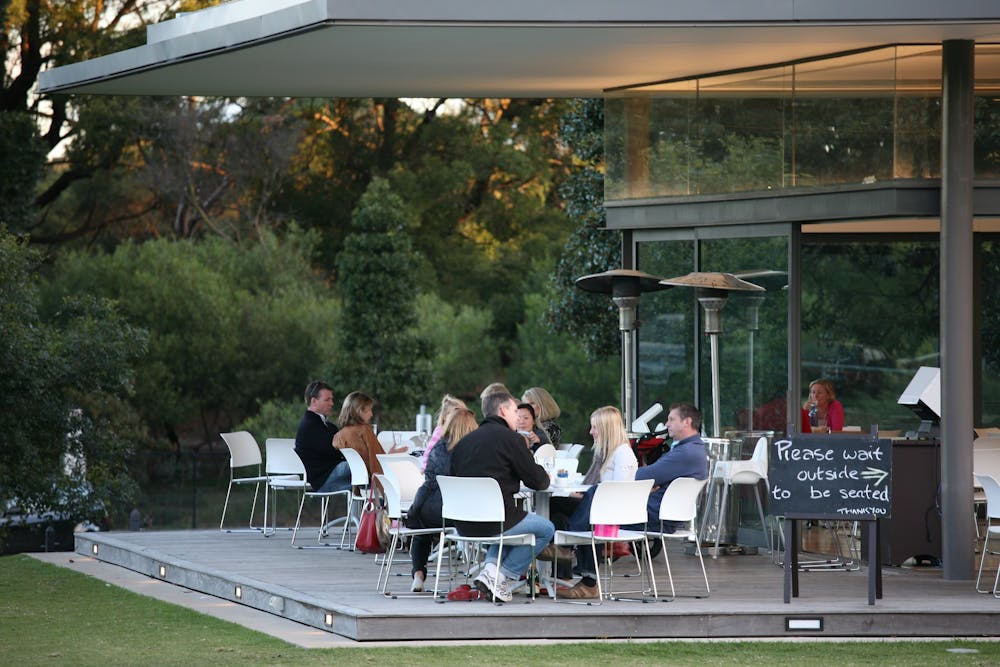 Cues from the location can help you remember who you met there.
Flickr/Alex Proimos, CC BY-ND
Cues from the location can help you remember who you met there.
Flickr/Alex Proimos, CC BY-ND
We remember which friend was at drinks because we recall details of the location – the bar we were at, where each person was sitting, what we were eating, and so on. This context helps us place the right person in that situation when we recall it later.
We remember who said what in a work meeting because we can visualise where they were sitting. We remember what day it is because we have landmarks in the week that remind us: karate lessons, choir practice, Friday afternoon traffic.
Same, same, same
Unfortunately, the pandemic has erased many of these cues. Many of us have instead been spending time sitting at our computer when ordinarily we might be at work or elsewhere. And this could leave us less able to distinguish events from one another.
 When home becomes the workplace everything tends to blur.
Shutterstock/Kate Kultsevych
When home becomes the workplace everything tends to blur.
Shutterstock/Kate Kultsevych
Our memories are designed to focus on things that are new or distinctive. This means we are more likely to remember events when they are accompanied by a change in our environment, such as an overseas vacation. Conversely, we tend to merge events that are broadly similar.
This is useful as it helps us keep track of events in a systematic and useful way, without needing to perfectly record all the details of every event.
But in lockdown we don’t have physical transitions to differentiate one event from the next. We no longer walk between meetings or commute from the office to home. Many different events now share the same context (staying at home), which means your memory tends to blur them together.
What can we do about it?
Once we understand that our memories are going to find the current circumstances challenging, there are things we can do to improve the situation.
One way is to make an effort to create distinctive cues where possible. Can we all wear silly hats for our Friday night drinks (or board meetings)? Can we hold work meetings for different projects in different rooms of our house?
Ask someone different each time to chair recurring meetings? Going for a walk during meetings where we only need to listen can create a new set of physical cues to associate with what is being said.
Another way is to rely more heavily on our external memory systems: diaries, calendars, notes and records. Accepting that our internal memory might fall short means we can compensate by deliberately using tools and resources to store the information on our behalf.
These systems can later act as contextual memory cues too. For example, we can add a screenshot to our video meeting notes to record who was there and their location on the screen.
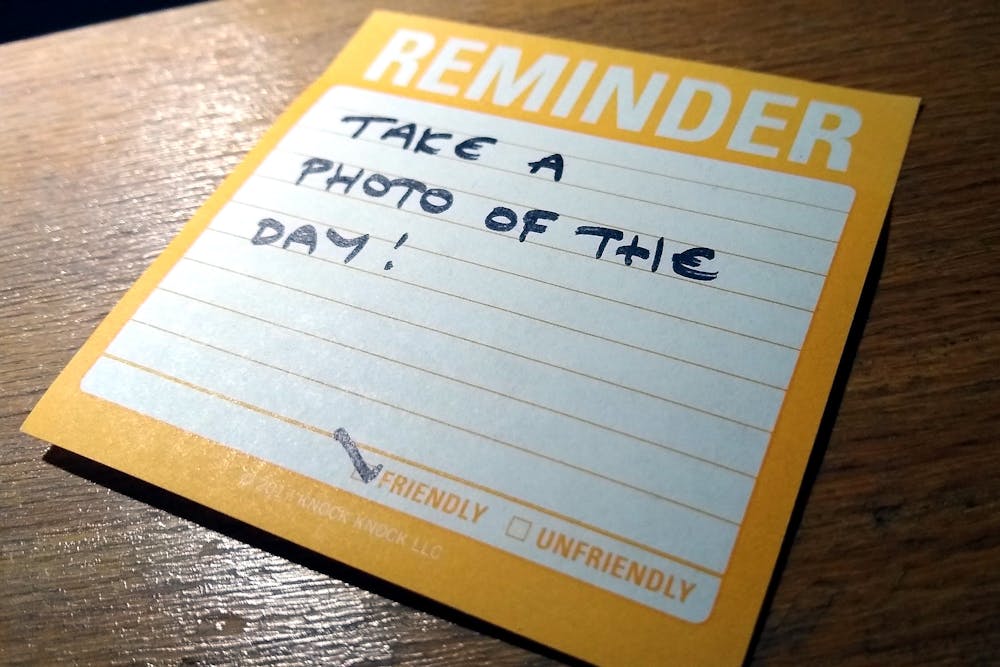 A screenshot or a photo can help create a reminder of an event.
Flickr/Pete, CC BY
A screenshot or a photo can help create a reminder of an event.
Flickr/Pete, CC BY
These kinds of recommendations are often given to people who experience memory failures for other reasons, such as brain injury.
Read more: Thinking about working from home long-term? 3 ways it could be good or bad for your health
But similar principles might help all of us whose internal memory resources are not designed for spending our time almost exclusively in one place.
When embracing external memory systems, it is important to ensure they are readily accessible and always accurate, so we can trust them completely and be sure of getting the reminders we need.
Working from home is the new normal for many of us. Developing new strategies that support our memory performance might help reduce the number of things we forget, and stop our recollection of the COVID-19 times turning into an amorphous mush.
Authors: Celia Harris, Vice Chancellor's Senior Research Fellow, Western Sydney University


 Daily Bulletin


