

'The neighbours were always very welcoming and warm': little things count to help refugees belong
- Written by: Shanthi Robertson, Senior Research Fellow, Institute for Culture and Society, Western Sydney University
Successful settlement and integration are shared goals of refugees and the communities where they settle. The findings of our research released today highlight the importance of simple everyday encounters and experiences for newly arrived refugees to feel welcome in Australia. We also found refugees’ strong social bonds with family and community do not prevent them developing connections with the broader Australian community.
Here we explore two aspects to refugees’ social connections:
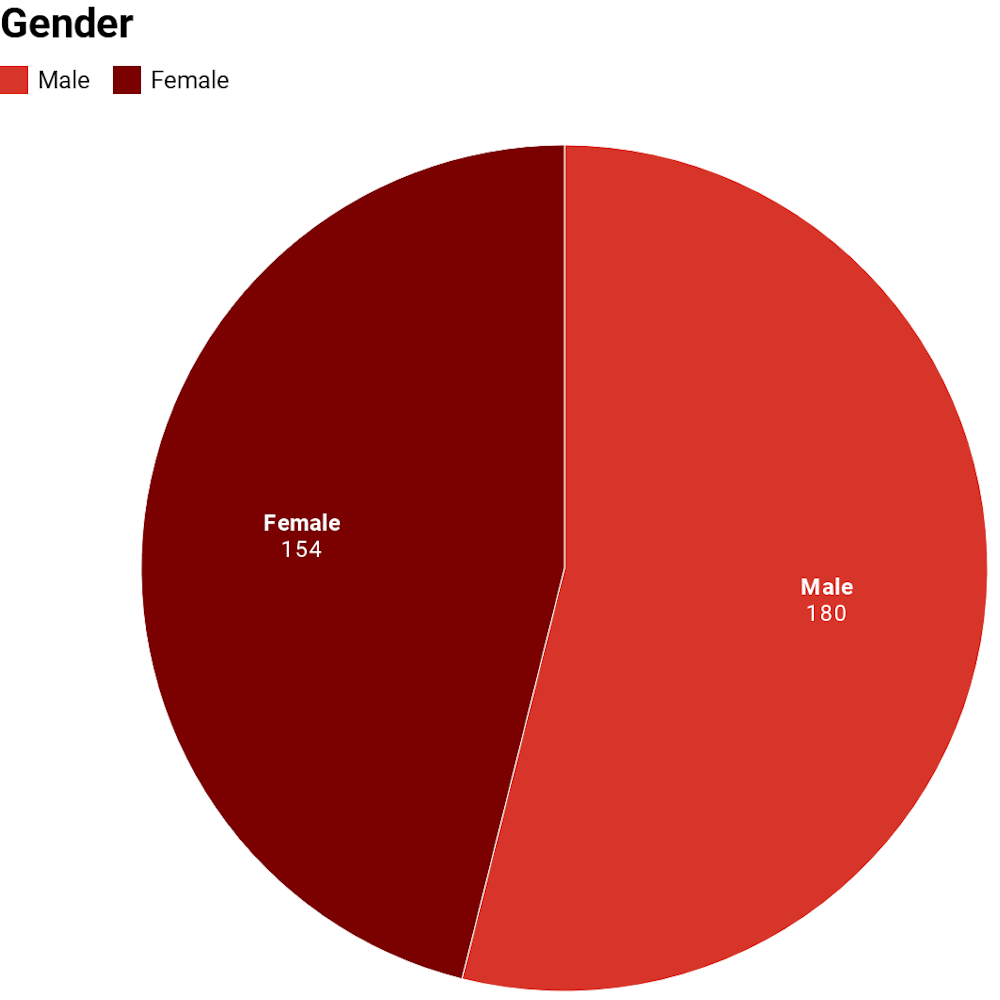
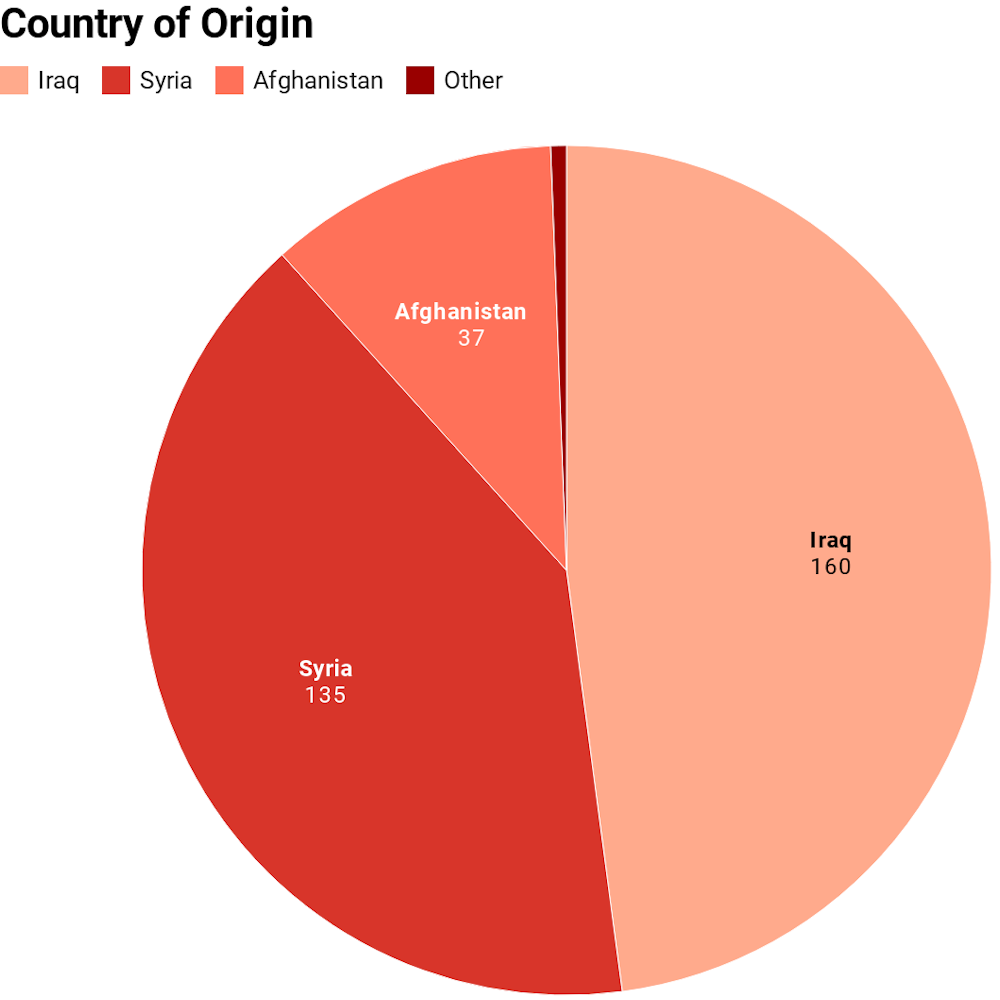
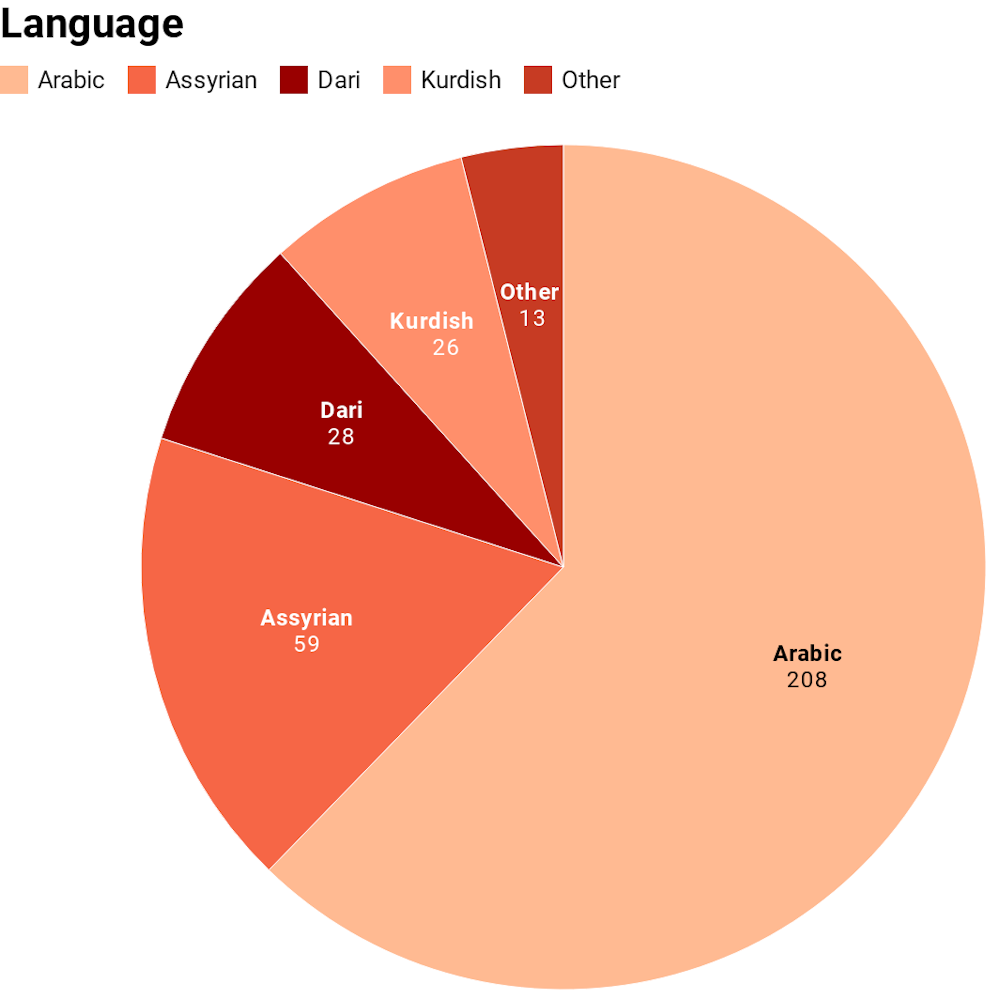
Click on pie charts to enlarge. The Conversation. Data: Author provided Most research on refugee integration focuses on areas like employment, education, English proficiency and health. Our research shines a light on aspects of settlement that are often overlooked: refugees’ social connections. The social dimensions of integration help them to build resilience in the face of the challenges of navigating a new chapter of their lives in Australia. These social connections help lay the foundations for belonging. Ultimately, this promotes their long-term integration. We surveyed 334 refugees in their preferred language. All were past participants in an on-arrival settlement program in New South Wales. We conducted 15 follow-up interviews. Importantly, all the survey participants had permanent residency in Australia. This gave them full and equal access to rights and services. We believe this was a critical factor in the high levels of belonging they reported. The security of permanent protection provides a bedrock for high levels of trust in both the Australian community and institutions. The majority of respondents reported strong trust in: the government (a lot of trust, 85%) the people they work and study with (78%, a lot/some) the people in their neighbourhood (75%, a lot/some) the wider Australian community, to a slightly lesser extent (67% a lot/some).
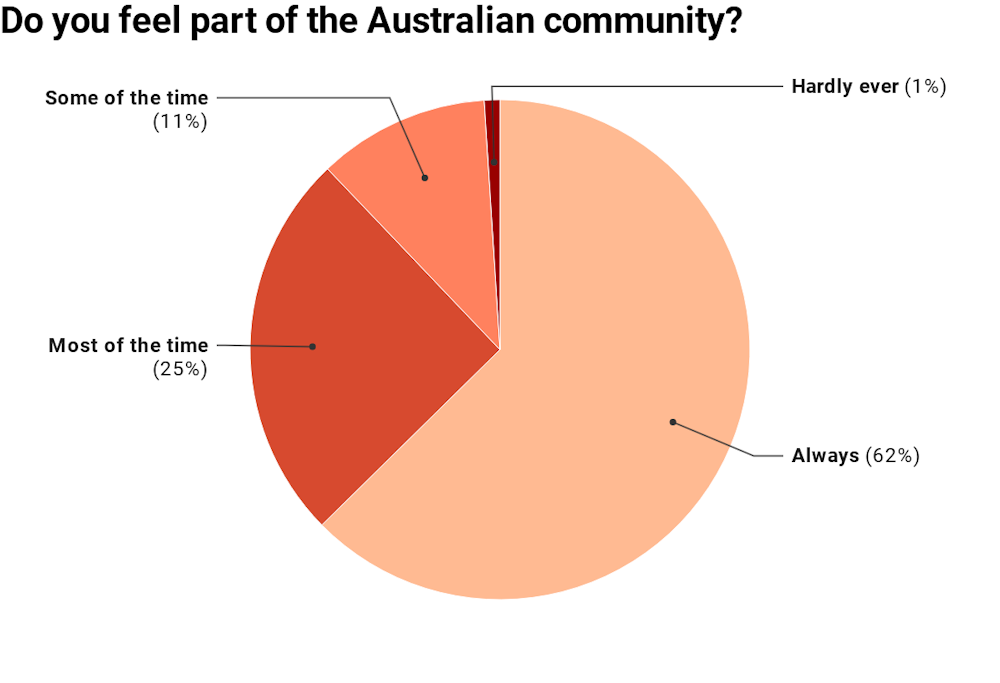
The Conversation. Data: Author provided Building bonds with Australia starts locally As refugees engage with their ethnic and religious communities, our research found they also develop a strong sense of belonging to their local neighbourhood and mixed friendship networks.

The Conversation. Data: Author provided Over three-quarters of respondents regularly meet and get to know people from ethnic and religious backgrounds other than their own. This indicates a high level of interactions, help for refugees and social bridges in everyday situations. However, age, gender and particularly place of residence all play a role. Refugees living in regional areas were more likely than people in metropolitan areas to regularly meet people from ethnic/religious communities other than their own (90% strongly agree/agree in rural areas compared to 81% in urban areas). Men were more likely to regularly meet people from different backgrounds (81% strongly agree/agree compared to 70% among women), as were those between the ages of 18 and 24 (79%). Good neighbours create social bridges We found it’s mainly everyday encounters and experiences that foster refugees’ social bridges to the wider community. Their rates of participation in formal community activities – such as school, parent support groups and youth groups – were relatively low. Despite reporting language difficulties in talking with their neighbours, refugees had high levels of trust in their neighbours and neighbourhoods. This was a result of positive and regular interactions and experiences.
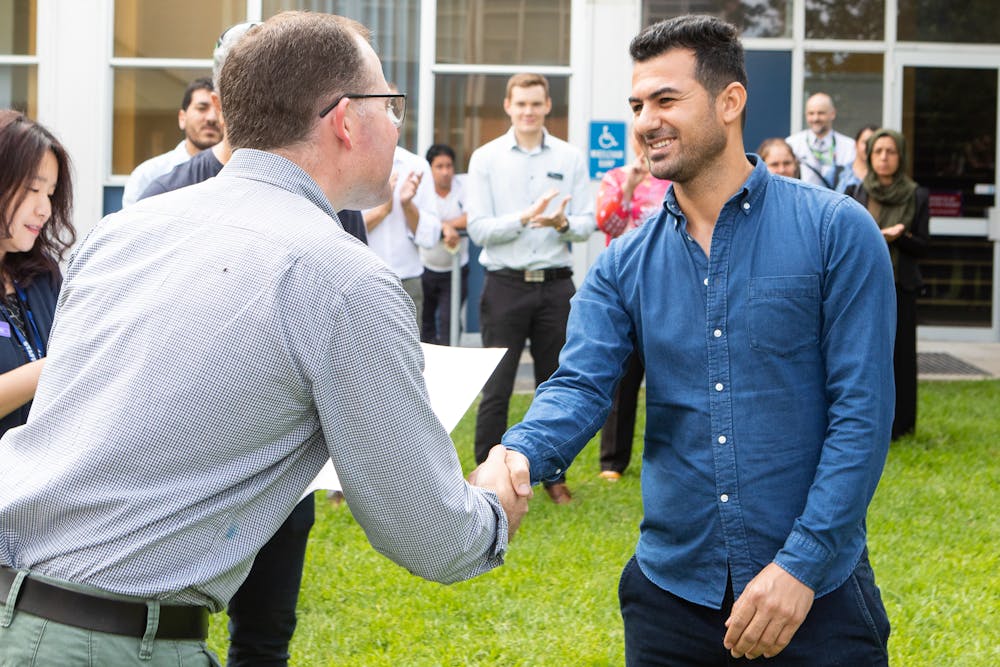
While many refugees work hard to learn English, simple, welcoming actions help overcome language barriers. Simon Scott Photo, Author provided (No reuse)
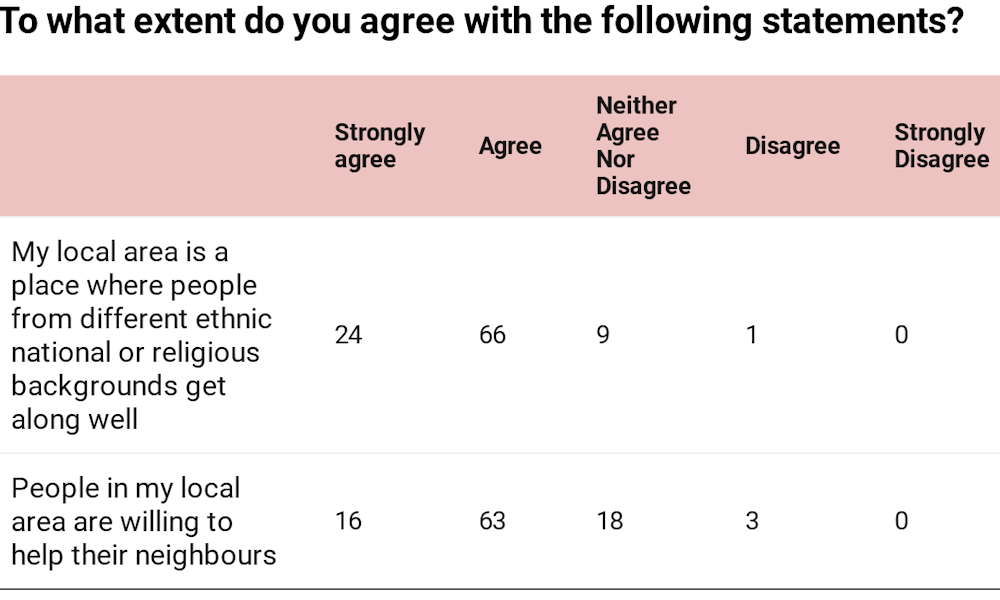 The Conversation, Data: Author provided The findings suggest that local, everyday and neighbourhood-level social bridges are a critical part of refugee belonging.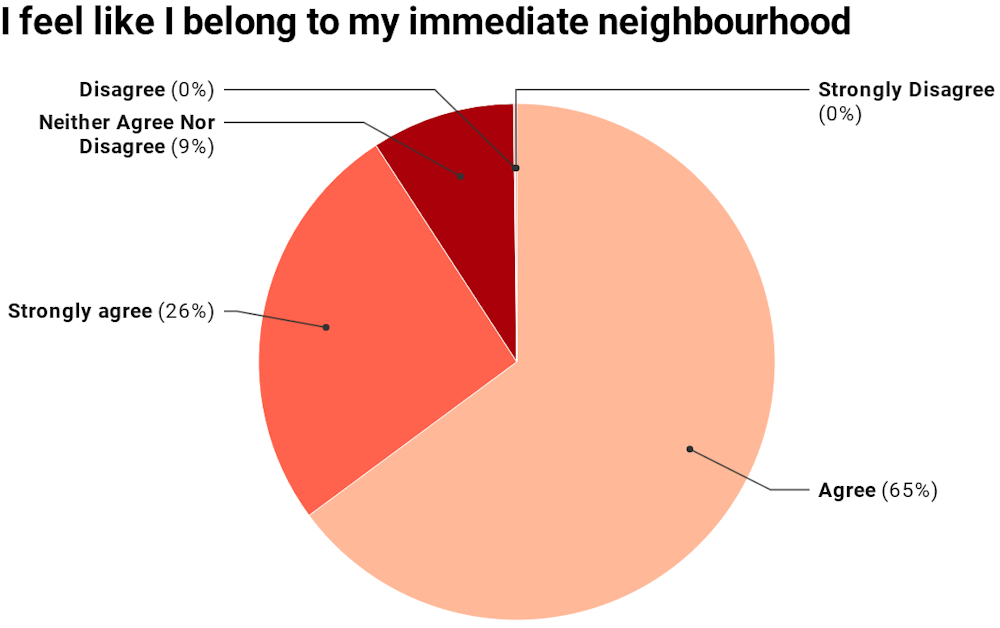
The Conversation, Data: Author provided It is at this local scale that policy and service interventions are most likely to succeed. The findings also highlight why it’s important to safeguard and enhance positive attitudes towards refugees in the wider community. For example, 25-year-old Maher from Afghanistan, who arrived in 2017, spoke about the importance of neighbours being friendly. He remembers them saying hello to him when he first arrived: The neighbours were always very welcoming and warm, and usually when they see me they were greeting me well and it was making me feel very comfortable. Aram, a 39-year-old Armenian man from Syria, also arrived in 2017. He, too, valued the general friendliness in his multicultural neighbourhood: The community where I’m at, or the neighbourhood, there are people from all different races, from Asian to Middle-Eastern, Africans, they are all different nations. So we get along really well. We all say ‘hello’ to each other, very courteous to each other. So, in both ways, it feels that I’m welcome from this end and welcome from the other end.
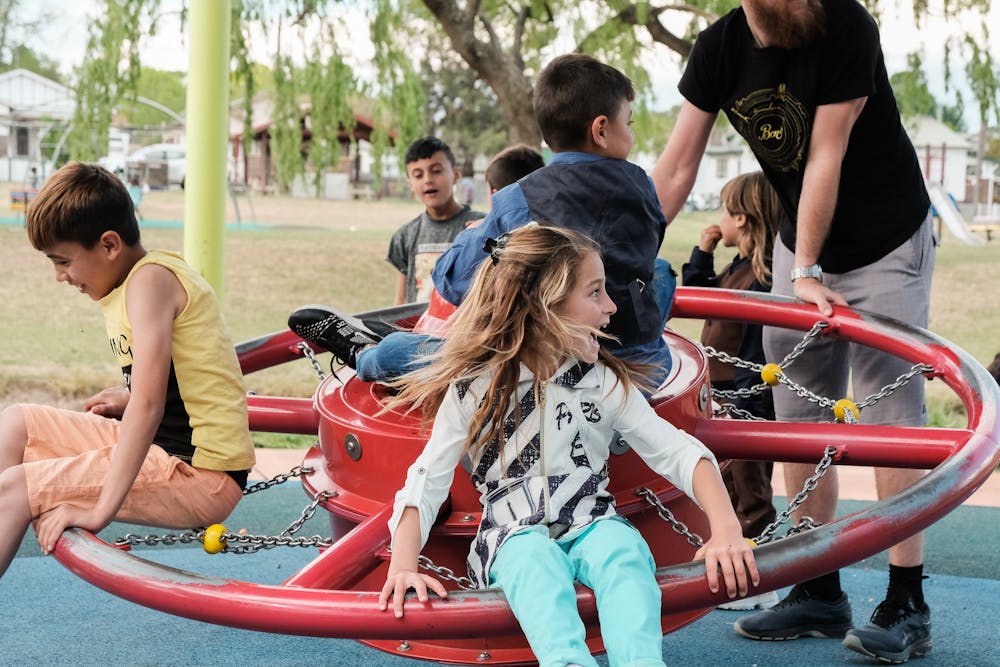
Most survey participants report that people from all backgrounds get along well in their local neighbourhoods. Simon Scott Photo, Author provided (No reuse) These are the simple things anyone can do Overall, our findings suggest people in the community can do a number of simple, everyday things to help refugees feel welcome. And, in doing so, they support their integration. Suggested actions include: say hello, smile and wave to neighbours – even if there is a language barrier, small positive actions make people feel like they are living in a safe and supportive community help with everyday activities if you can – offer to carry in shopping, give lifts to work or school, keep an eye on the house or collect mail when neighbours are away, which are all small actions that newly arrived families remember as very welcoming support grassroots ethnic and religious community groups if they are fundraising, holding activities or looking for volunteers – these are great local spaces to build social “bridges” contribute to an overall positive social climate and public discourse by sharing positive attitudes towards refugees and supporting organisations that do the same.
Authors: Shanthi Robertson, Senior Research Fellow, Institute for Culture and Society, Western Sydney University


 Daily Bulletin


