

Pregnancy-Safe Medications: What You Can and Can’t Take
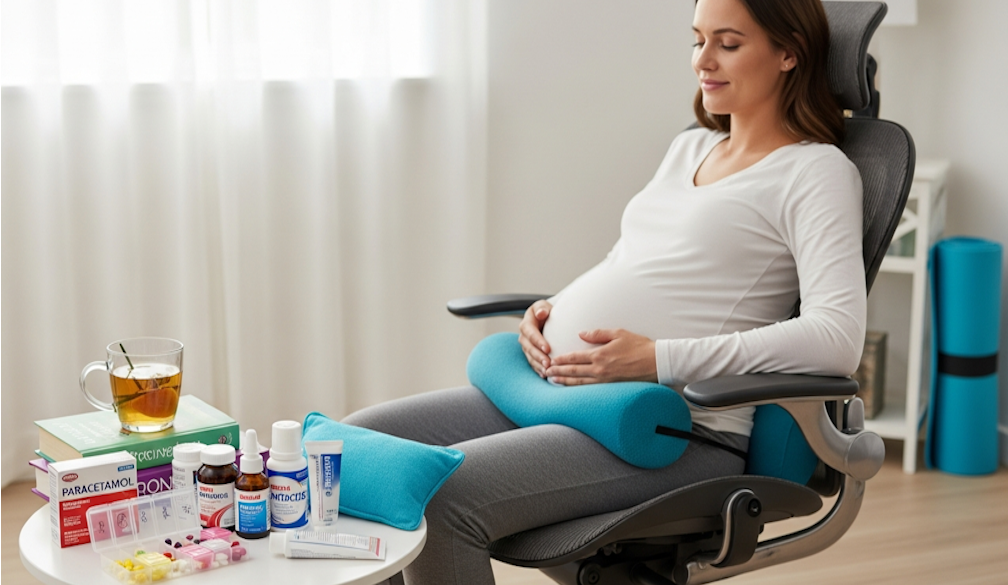
Pregnancy is an exciting journey, but it also comes with a long list of dos and don'ts — especially when it comes to medication. Even everyday items in your medicine cabinet may not be suitable during pregnancy, which can make managing headaches, colds, or back pain feel more complicated than it should. Adding supportive tools such as a lumbar chair support pillow can also help reduce discomfort without relying on medication, giving you a safer first option when pain strikes.
Understanding what’s considered safe, what requires caution, and what’s best avoided altogether helps protect both you and your baby. Below, we break down the essentials so you can navigate your pregnancy with confidence — and always in collaboration with your GP, midwife, or obstetrician.
Why Medication Safety Matters During Pregnancy
Medications, even common over-the-counter ones, can cross the placenta and affect your baby’s development. Some are perfectly safe, others need careful supervision, and some should be avoided entirely. Because each pregnancy is unique, your healthcare provider’s advice should always guide your choices.
Medications Generally Considered Safe
While every pregnancy is different, the following medications are commonly regarded as low-risk when taken as directed:
Paracetamol
Paracetamol is the go-to option for mild to moderate pain or fever during pregnancy. It has a long track record of safety when used at the recommended dose.
Certain Antacids
Pregnancy heartburn is extremely common, and many antacids containing calcium carbonate or magnesium hydroxide are considered safe. Always check the label and avoid anything containing high sodium levels unless advised otherwise.
Saline Nasal Sprays
Safe and effective for congestion, saline sprays contain no active drugs. They simply moisturise the nasal passages to help you breathe easier.
Topical Creams (Most Types)
Creams for rashes, bites, or mild irritation — such as calamine or basic moisturisers — are usually fine. However, steroid creams should be checked with your doctor before use.
Some Antibiotics (If Prescribed)
Not all antibiotics are pregnancy-safe, but doctors commonly prescribe options like amoxicillin or cephalexin when required. Never take leftover antibiotics or use them without medical advice.
Medications You Should Use with Caution
Some medications fall into a grey area — they can be safe under medical supervision but aren’t recommended without guidance.
Antihistamines
Some older antihistamines such as chlorpheniramine may be considered safe, while newer ones like loratadine are often approved for use in later trimesters. Always check before taking any allergy medication.
Cold and Flu Tablets
Many combination cold medications contain ingredients unsuitable for pregnancy, including decongestants and ibuprofen. If you need relief, your doctor can recommend safe alternatives tailored to your symptoms.
Nausea Medications
Morning sickness medications range from vitamin B6 supplements to prescription anti-nausea tablets. They can be safe, but choosing the right one should always be done with a healthcare professional.
Medications to Avoid During Pregnancy
Certain medications are known to increase the risk of complications or harm foetal development. Avoid the following unless your doctor states otherwise:
Ibuprofen and Other NSAIDs
NSAIDs such as ibuprofen, naproxen, and aspirin (in high doses) are generally not recommended, particularly in the third trimester. They can affect your baby’s circulation and increase the risk of complications during birth.
Retinoids (Oral or Topical)
Retinoids found in acne medications and some anti-ageing creams can be harmful during pregnancy. Steer clear of products containing retinol or isotretinoin.
Certain Migraine Medications
Some prescription migraine medicines can affect foetal growth or blood vessel development. Ask your doctor for pregnancy-safe alternatives.
Herbal Supplements
“Natural” doesn’t always mean safe. Herbal remedies like St John’s Wort, dong quai, or high-dose essential oils can pose risks during pregnancy. Always check before taking any supplement or tea blend marketed for wellness.
Safe Alternatives for Managing Pain and Discomfort
Pregnancy brings its fair share of aches, tension, and fatigue — but not all of them require medication. In many cases, lifestyle adjustments and supportive products can make a noticeable difference.
Heat Packs
Ideal for easing muscle tightness or lower-back strain.
Supportive Pillows
A body pillow, wedge pillow, or lumbar chair support pillow (as linked above) can help maintain proper posture and reduce pressure on the spine.
Gentle Movement
Prenatal yoga, stretching, or short walks can relieve stiffness and promote better circulation.
Adequate Hydration and Rest
Both play a surprisingly big role in reducing headaches and general discomfort.
When to See a Healthcare Professional
You should always seek medical advice if:
- Your pain is severe or persistent
- You’re unsure whether a medicine is safe
- You accidentally take something that might be unsuitable
- You develop new symptoms during pregnancy
- You need ongoing treatment for chronic conditions such as asthma, diabetes, or mental health concerns
Your doctor’s guidance ensures both your health and your baby’s development stay on the right track.
Navigating medications during pregnancy doesn’t need to feel overwhelming. With clear information, medical guidance, and safer non-medication alternatives, you can manage discomfort and stay healthy throughout your pregnancy journey. When in doubt, always speak with your GP, midwife, or obstetrician — they’ll help you make the safest choice for you and your baby.


 Daily Bulletin


