

Ways to Improve Construction Site Safety
- Written by: Daily Bulletin
Construction sites are inherently high-risk environments, where safety must be a top priority to protect workers and ensure smooth project execution. With heavy machinery, elevated structures, and dynamic workflows in play, even small oversights can lead to serious accidents or costly delays. For contractors and project managers, adopting a proactive approach to safety isn't just about compliance—it’s about building a culture of care and responsibility. From investing in the right training programs to using innovative tools, there are many practical strategies that can significantly reduce risks. Let’s explore some proven ways to improve construction site safety and create a secure workspace for all.
1. Prioritise Comprehensive Training
The foundation of any safe construction site is a well-trained workforce. Every worker should undergo initial safety orientation and receive task-specific training. This includes understanding how to operate equipment properly, handle hazardous materials, and respond to emergencies. Training should be updated regularly, especially when new equipment or processes are introduced. Well-informed workers are more confident, make fewer errors, and can better identify unsafe conditions before they escalate.
2. Conduct Regular Safety Audits
Routine inspections and audits are essential for identifying hazards early. Safety officers should walk through the site daily, checking for compliance with safety protocols and spotting potential issues like exposed wiring, blocked pathways, or unstable scaffolding. Monthly or quarterly safety audits should also be conducted by third-party professionals for a more thorough evaluation. These reviews provide valuable insights that help strengthen safety measures across the board. Here is a set of Australian construction regulations for more insight.
3. Use the Right Equipment and Tools
Having the proper tools for the job not only enhances efficiency but also minimises the risk of injury. Ensure all machinery and equipment meet current safety standards and are maintained regularly. One tool often overlooked is cribbing blocks, used to stabilise heavy loads during lifting operations. Their proper use can prevent tipping or shifting, which is critical during crane operations or structural supports. Investing in quality equipment, including these blocks, shows a commitment to safety at every level.
4. Promote a Safety-First Culture
Creating a culture where safety is everyone’s responsibility can significantly reduce on-site accidents. This means encouraging open communication about hazards, rewarding safe behaviour, and involving workers in developing safety procedures. When workers feel empowered to speak up or suggest improvements, they’re more likely to take ownership of their role in maintaining a safe site.
5. Implement Clear Signage and Barricades
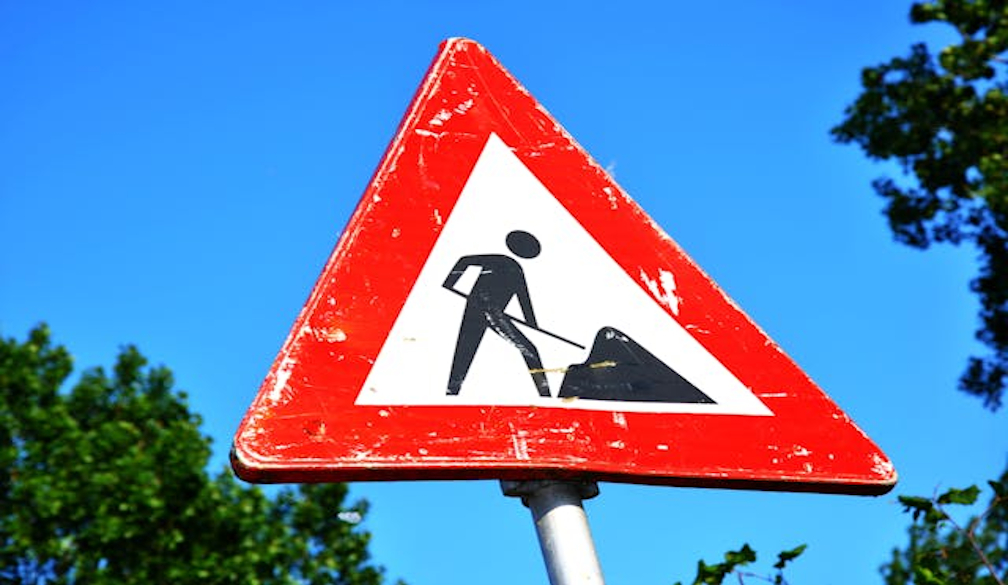
Visual cues are a simple yet effective way to improve awareness and reduce confusion. Use clear signage to mark hazardous areas, such as zones where heavy machinery operates or where there are open trenches. Barricades and warning tape can physically separate dangerous areas from work zones. Proper labelling of materials, exits, and first-aid stations ensures that workers can navigate the site safely and efficiently.
6. Enforce Proper Personal Protective Equipment (PPE)
All workers must have access to and wear fitting PPE, including safety goggles, hard hats, gloves, and high-visibility vests. Supervisors should enforce PPE rules strictly and conduct spot checks to ensure compliance. It’s also important to ensure the PPE fits well and is appropriate for the task—ill-fitting gear can be just as dangerous as no gear at all.
7. Plan for Emergency Response
Every site should have a clearly defined emergency action plan tailored to its unique risks. This includes procedures for fires, falls, electrocution, chemical spills, and medical emergencies. Emergency exits must be accessible, and workers should be trained in basic first aid and evacuation protocols. Regular drills ensure everyone knows how to respond quickly and effectively if an incident occurs.
8. Monitor Fatigue and Mental Health
Construction work is physically and mentally demanding. Fatigued workers are more likely to make mistakes or overlook safety procedures. Employers should enforce reasonable work hours, allow adequate rest breaks, and be attentive to signs of stress or burnout. Promoting mental health awareness and offering support services can improve focus, morale, and overall site safety.
9. Use Technology to Your Advantage
Modern technologies like wearable sensors, drones, and site management apps can play a major role in enhancing safety. Sensors can detect falls or fatigue, drones can monitor large sites for safety violations, and mobile apps can streamline incident reporting. Embracing tech-driven solutions allows for real-time data tracking and faster responses to potential threats.
Conclusion
Improving construction site safety is not a one-time effort but an ongoing commitment that evolves with each project and team. By focusing on training, proper equipment use, communication, and technology, employers can create a safer, more productive environment. Small changes—like incorporating cribbing blocks during lifting operations—can have a big impact on overall site stability. Ultimately, prioritising safety protects both your workforce and your project’s bottom line.

 Daily Bulletin


