

Digital and Electronic Door Locks for Flexible Access
Moving Beyond Conventional Locking Systems
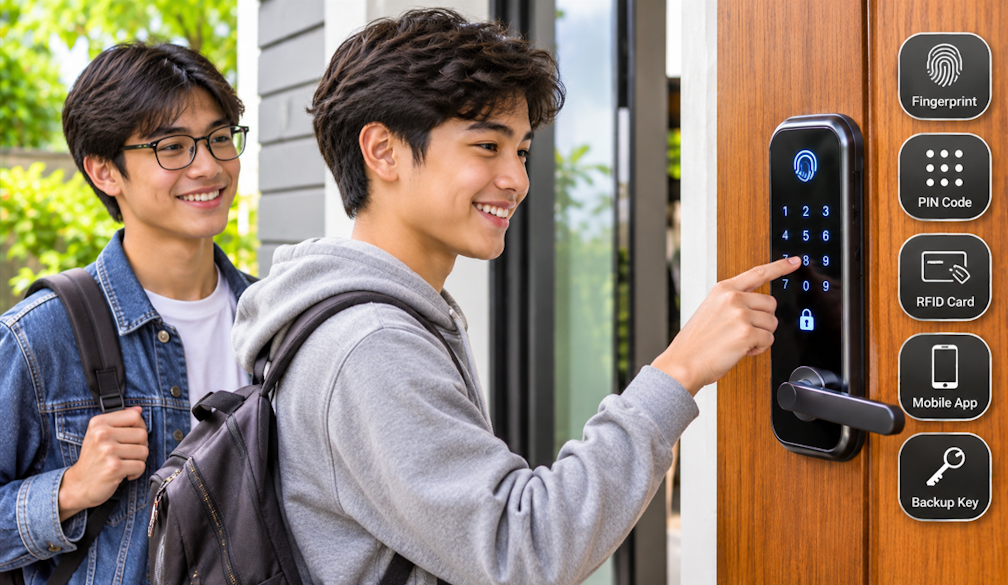
A modern entry system can make everyday access more straightforward while giving homeowners additional ways to manage their doors. A digital door lock uses an electronic method of authentication, which may include a keypad, card, fingerprint or compatible mobile device depending on the product. This removes the need to rely solely on a physical key and can suit households with different access routines. Smart Lock Warehouse provides options for people comparing newer locking systems for residential use. Before choosing a model, consider how it will be used, who needs access and what kind of installation is suitable for the existing door. Those practical questions are a useful starting point for selecting a device that works reliably in daily life.
Choosing an Access Method That Fits Your Routine
The access method is often the most noticeable difference between products. Keypads allow users to enter a code, while some devices support cards, fingerprints or mobile access. A electronic door lock can offer one or more of these options, though the exact features depend on the model. Think about whether the household is comfortable using an app, whether visitors need temporary access and how credentials will be managed. For busy homes, the ability to avoid searching for keys can be useful, but the preferred method should remain simple for everyone who uses the door. Check product details carefully to confirm which access methods are included rather than assuming a feature is standard.
Understanding Digital Lock Features
Many locks offer features designed to support convenience, such as automatic locking, access records, configurable codes or alerts. These may be useful, but they are not necessary for every household. A digital door lock should be assessed based on its core function, its operating requirements and the features you are likely to use. Consider how it handles unsuccessful access attempts, whether it provides low-battery warnings and what backup options are available. If you want to connect the lock to other smart-home equipment, confirm that the systems are compatible. Comparing specifications in advance makes it easier to identify a product that matches your priorities without paying for features that do not add practical value.
Security and Responsible Credential Use
Electronic access can make key management easier, but users still need to protect their credentials. Choose codes that are not easy to guess, avoid sharing them unnecessarily and update them when access arrangements change. A electronic door lock may allow credentials to be managed differently from traditional keys, depending on its design, so review the instructions for creating and removing access. Also consider the physical door, frame and surrounding hardware: a lock is only one part of the entry system. Good installation, suitable hardware and sensible access practices all contribute to a more dependable setup. Review the manufacturer's security and maintenance recommendations, and ensure everyone in the household understands how to use the lock and its backup method.
Compatibility, Installation and Maintenance
Before purchasing, measure the door and check the lock’s compatibility requirements. Door thickness, mounting arrangement and the existing mechanism can affect whether a particular model is suitable. Some products are intended for straightforward replacement, while others may require professional installation. A digital door lock should be fitted according to the manufacturer's instructions, with the operation tested before relying on it as the primary entry method. Keep track of battery levels, follow recommended cleaning practices and familiarise yourself with the emergency or manual access process. Regular checks can help identify issues early and make the system easier to use when it matters.
Conclusion
Replacing a conventional lock with an electronic system can be a practical choice for households that want more flexible access. A digital door lock or electronic door lock may provide keypad, biometric, card or app-based options, depending on the model, and can help reduce the need to manage physical keys. The best choice depends on door compatibility, the features you actually need, installation requirements and how credentials will be handled. Smart Lock Warehouse is a useful place to compare available options and specifications. By considering both convenience and the basics of physical security, you can select a system that supports your household’s routine and is straightforward to maintain.


 Daily Bulletin


