

The Hidden Logistics Behind a Smooth-Running Construction Site
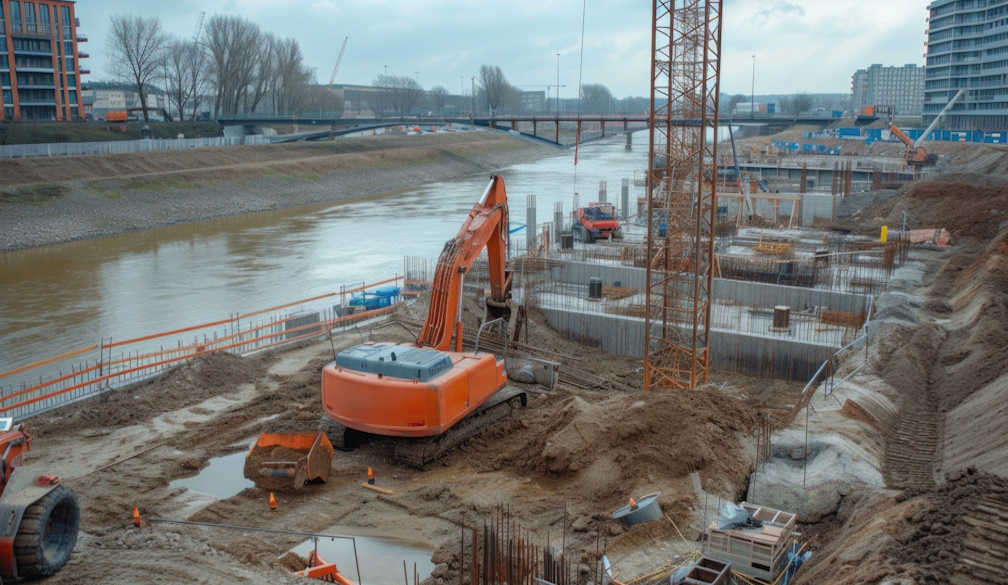
A construction site can look chaotic from the outside. There are machines moving in different directions, materials arriving throughout the day, trades working in separate areas and people constantly trying to stay one step ahead of the next task. When a site is running well, though, very little of that activity is random.
Behind the visible work is a lot of planning around timing, access, storage, sequencing and equipment. Decisions about earthmoving equipment hire are just one part of that bigger picture. The right machine still has to arrive at the right time, fit the site, work around other trades and leave without holding anything else up.
Timing Matters More Than Most People Realise
Construction is full of dependencies. One task can’t begin until another one finishes. Concrete can’t be poured until excavation and preparation are complete, landscaping may need to wait until heavy machinery is off the site, and materials can’t always be delivered until there’s somewhere safe to store them.
That means timing equipment correctly is critical. If a machine turns up too early, it may sit unused while hire costs continue. If it arrives late, multiple trades can be left waiting. A delay of only a few hours can have a knock-on effect that lasts for days. The smoother sites are usually the ones where equipment, labour and materials are treated as part of the same schedule rather than separate decisions.
Access Can Decide What Equipment Is Practical
A machine might be perfect for the job in theory and completely unsuitable in reality. Tight gates, narrow driveways, low overhead clearance and neighbouring buildings can all limit what can physically get onto a site. On inner-city projects, even street access can become part of the equation.
That’s why access should be checked early rather than on delivery day. Measurements, site photos and a clear idea of where the equipment actually needs to work can help avoid expensive mistakes. Sometimes a smaller machine is the better choice, not because the job itself is small, but because the site makes anything larger impractical.
Site Layout Affects Productivity
Construction sites change constantly. The area that was open last week may now contain scaffolding, stored materials or a temporary fence, while a clear access path can disappear quickly if the site isn’t being actively managed. That matters because machinery needs room to move.
If equipment is forced to navigate around poorly placed materials or parked vehicles, productivity drops. Operators spend more time repositioning and less time doing the actual work. Keeping traffic routes clear and thinking ahead about where materials will be stored can make a surprisingly large difference, while also improving safety by reducing unnecessary interaction between machinery and people on foot.
Equipment Should Match the Stage of the Job
Not every phase of a project needs the same machinery. Early works may involve excavation, site clearing and bulk movement of material, while later stages may require smaller, more precise equipment that can operate around completed structures and finished surfaces.
Trying to use one machine for everything usually involves compromise. It can make more sense to change equipment as the site evolves. A larger machine may be efficient during the first stage, while a compact option is more practical later when space becomes restricted. Thinking in stages also helps avoid keeping equipment on site longer than necessary.
Deliveries Need Just as Much Planning
Machinery isn’t the only thing competing for access. Concrete trucks, skip bins, building materials, cranes and subcontractor vehicles may all need to enter the site at different times, and if deliveries overlap badly, everything can grind to a halt.
A site with one narrow access point can only handle so much traffic. Coordinating deliveries can prevent situations where a truck is blocking the machinery that’s supposed to be working or materials are unloaded in the exact area needed for the next task. This is especially important on smaller sites, where there may be nowhere convenient to move things once they’re in the wrong place.
Downtime Adds Up Quickly
Construction equipment is expensive when it’s moving, but it’s even more expensive when it isn’t. Rain, breakdowns, late trades and poor scheduling can all create downtime. Some of that is unavoidable, but some can be reduced with better preparation.
Before a machine arrives, the site should ideally be ready for it, operators should know what work is expected, and any permits or access requirements should already be organised. The aim is to reduce the amount of time spent waiting. Even half a day of unnecessary downtime can become costly when multiple machines and workers are involved.
Communication Holds the Whole Thing Together
A construction schedule can look perfect on paper and still fall apart if nobody communicates changes. Sites are dynamic, conditions change, trades run late and unexpected problems appear, so regular updates are essential.
If excavation takes longer than expected, the next delivery may need to move. If access is temporarily blocked, the equipment supplier needs to know. If the machine specification changes, the operator and site team should be told before it arrives. Most logistical problems become much harder to solve once everyone is standing around waiting, whereas early communication gives people room to adjust.
Good Logistics Are Almost Invisible
When a construction site runs smoothly, people often notice the finished result rather than the coordination that made it possible. They see a completed building, landscaped area or renovated property, but they don’t necessarily see the dozens of small decisions about where equipment was parked, when materials arrived or how access was kept clear.
That’s exactly how good logistics should work. The planning sits quietly in the background, keeping machinery productive, trades moving and delays under control. On a complex site, that organisation can be just as important as the physical work itself.


 Daily Bulletin


