

The Sustainable Restaurant Association Announce #EatForTomorrow Campaign
- Written by: Daily Bulletin
- Published in News from Asia
The global campaign celebrates the efforts of individuals, restaurants and change-makers who are paving the way towards a more resilient, sustainable food system. Including five impactful stories from Hong Kong.
HONG KONG SAR - Media OutReach - 8 November 2023 - The Sustainable Restaurant Association – the global not-for-profit organisation setting the Standard for sustainable food and drink businesses around the world - announce #EatForTomorrow campaign.This global awareness campaign asks diners and hospitality businesses around the world a crucial question – 'How can we eat differently today to build a better tomorrow?'. 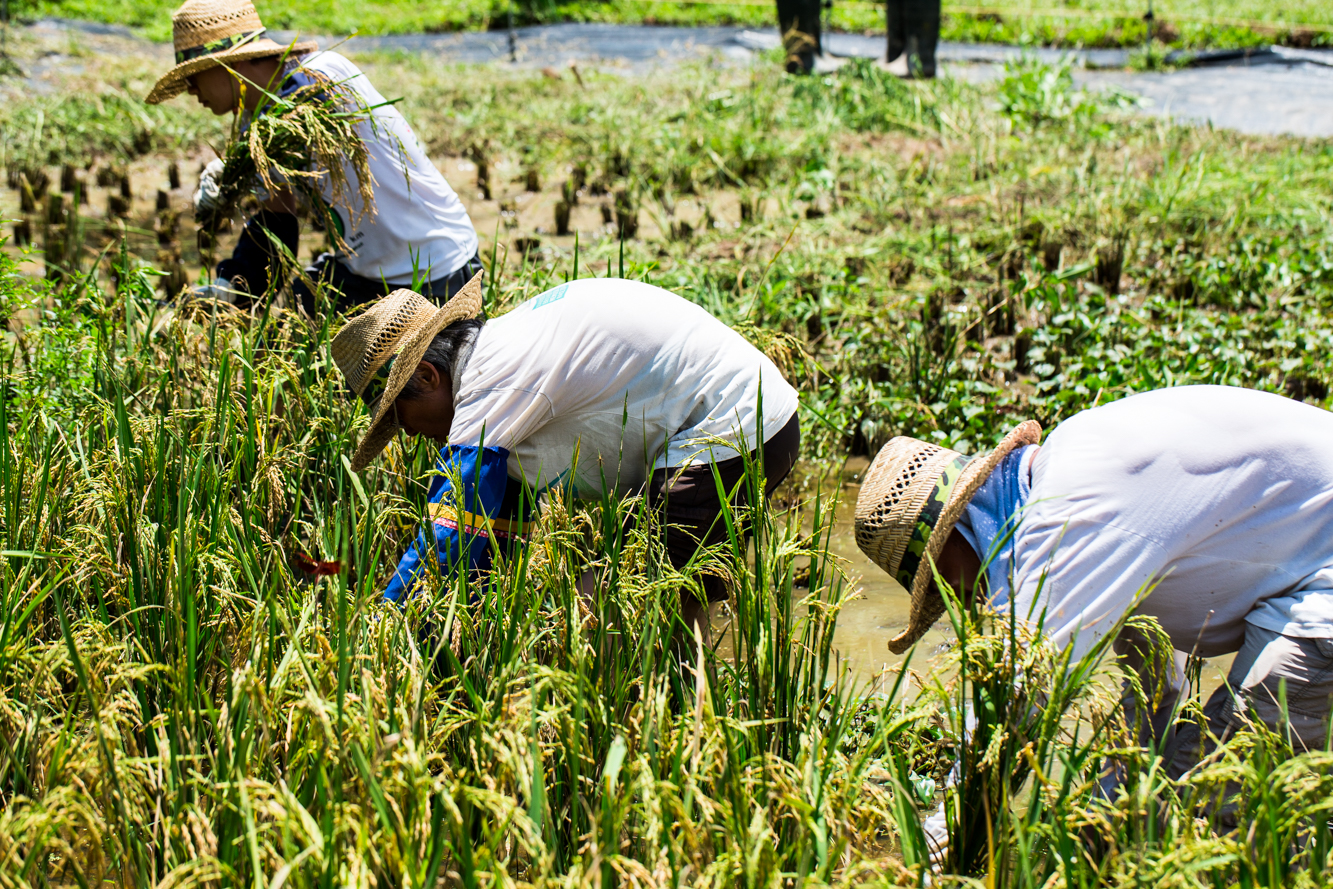
#EatForTomorrow shares inspirational stories and future-proofing innovative solutions from restaurants and businesses who are already impacting the future of our food systems. In Hong Kong, The Sustainable Restaurant Association has joined forces with five change-making organisations, businesses and spokespeople to tell the story of how they are impacting the future of food. The campaign features Chef Vicky Lau, founder of Michelin Green-Starred restaurant Mora and Two-Michelin-Starred restaurant Tate Dining Room, Zero Foodprint Asia in collaboration with Grand Hyatt Hong Kong, Rooftop Republic in collaboration with Something Wild restaurant and Farmacy in collaboration with Le Meridien Cyberport.
The campaign looks at the future of food through four lenses: 'A Better Future for Farming', 'Preserving Biodiversity', 'Eating More Plants' and 'Sourcing Sustainable Seafood'. Sharing 20 incredible stories from Hong Kong, Singapore, UK & UAE encouraging more people, policy makers and businesses to get on board with protecting our food systems for the future.
By 2050, the global population is projected to reach 9.7 billion.* The challenge we face now is building a resilient food system for the future, finding clever, sustainable ways to increase, fortify and rebalance food production and distribution in ways that don't harm the environment or exacerbate the climate crisis.
With decisive action, there is no doubt that we can play a role in feeding the growing global population. The good news is that the world is full of visionaries: farmers, entrepreneurs, chefs and activists who are already busy building a food system that works in tandem with nature, considers the climate, inspires consumers and shows the way forward. Transforming food systems is a complex task – but changing our eating habits now is the first step forward. The four key themes of the campaign distil down the actions that we can take to best impact the system:
A Better Future for Farming: How can we feed a growing population while also safeguarding and nourishing the natural environment? The journey begins in the fields, where the transformation of farming is crucial for the health of our planet. Sharing how farmers are offering solutions like regenerative, vertical and urban farming to feed the planet and restore the environment.
Taking a closer look at regenerative farming, a practice that puts nature first by mimicking natural cycles, building healthy soil, restoring biodiversity and sequestering carbon. In fact, the World Economic Forum estimates that greenhouse gas emissions from agriculture could be 6% lower each year by 2030 if even one-fifth of farmers adopted "climate-smart" agriculture such as regenerative farming. In Hong Kong, we will tell the story of Zero Foodprint Asia and their partnership with a farm in the Northern Territories.
Zero Foodprint Asia (ZFPA) is a registered charitable organization in Hong Kong, mobilizing the food world around agricultural climate solutions by 'closing the loop' within Asia's food and hospitality sector. Through its Restore Fund grant program, ZFPA enables smallholder farmers to grow food alongside nature-positive, biodiverse ways; while allowing chefs, restaurant owners and diners to contribute to preserving indigenous cultivation practices, improving soil health, and restoring our climate.
Urban farming is a clever approach that brings food production into cities. Not only does this reduce food miles and transportation costs, but it can also improve local air quality, make better use of urban space and bring economic and social benefits to the surrounding communities. We delve into a story on urban farming with Hong Kong's Rooftop Republic, highlighting their thriving micro-greens farm at Something Wild. Plus, looking at the work Farmacy do with many restaurants and hotels in the city.
Preserving Biodiversity: Of the nearly 300,000 known edible species across the planet, only 150-200 are eaten by humans; nearly 60% of all human calories from plants come from just three sources. We need to diversify our diets to protect species from extinction, and to reduce the need for intensive farming. To address this, we're celebrating provenance and honouring our food heritage, speaking to chefs who are increasing biodiversity through initiatives like seed saving, the revival of ancient grains, rearing heritage breeds and respecting indigenous food practices. In Hong Kong we take a look at Lai Chi Wo community and farm. Nestled in the northeast New Territories of Hong Kong, Lai Chi Wo is one of the oldest, largest and best-preserved Hakka walled villages, set in an area of great natural beauty and rich biodiversity. For centuries, the indigenous community here worked in tandem with the natural surroundings of Lai Chi Wo, using traditional agricultural practices and food systems. Working with the locals, Centre for Civil Society and Governance at The University of Hong Kong initiated the village revitalisation and resumed the traditional practices with sustainable farming approach that nourishes the soils, protect biodiversity and produce nutrient-rich crops for the villagers.
Eating More Plants: The narrative will centre around how consumers can make a real difference simply by embracing a shift towards more plant-focused eating. Discover the diversity and benefits of nutritious veggies, as well as looking at plant-based meat substitutes and alternative protein sources. We tell the story of Vicky Lau and her restaurant Mora where the entire menu is based around tofu.
Vicky Lau is an acclaimed chef, and the founder and chef-proprietor of Mora restaurant, which is nestled into the historic street of Upper Lascar Row. The restaurant's hyper-seasonal menu is defined by the versatility of soy - a pinnacle ingredient that is pillar to Asian culinary tradition. Stemming from Chef Vicky Lau's French x Chinese cooking roots, Mora's dishes are categorised by texture with recipes that highlight precious ingredients through the manipulation of soy.
Sustainable Seafood: Highlighting improvements in how we source seafood to better protect our marine environment, preserve biodiversity and maintain the health of our oceans. Discovering what restaurants should look for in seafood suppliers and how diners can help. We will showcase this in several ways, including delving into the work at Cornwall's environmentally positive Westcountry Mussels, a supplier to many Food Made Good accredited restaurants, and the UAE's Dibba Bay Oysters.
Juliane Caillouette Noble, Managing Director of The SRA, said: "Climate change and food insecurity means we are faced with a big-picture challenge: how can we build a resilient food system for the future, finding clever, sustainable ways to increase food production in ways that don't harm the environment or exacerbate the climate crisis? To protect tomorrow's resources, we need to make a shift in what we eat, where it comes from and how it is produced. Food choices matter – and farmers, fishers, suppliers, chefs, diners and citizens all over the world have a role to play in driving change for a better food future. There is no better moment: this is a pivotal time to build momentum for this discussion and eat our way to a better future."
For more information please visit: https://thesra.org/
*9.7 billion on Earth by 2050, but growth rate slowing, says new UN population report | UN News
Hashtag: #EatForTomorrow
https://www.linkedin.com/company/the-sustainable-restaurant-association
https://www.instagram.com/foodmadegood/
The issuer is solely responsible for the content of this announcement.
About The Sustainable Restaurant Association
Since 2010, The Sustainable Restaurant Association (The SRA) has set the Standard for sustainable food and drink businesses around the world. The SRA connects businesses across the globe to accelerate change toward a hospitality sector that is socially progressive and environmentally restorative through the world's largest sustainability certification tailored for the sector: Food Made Good.
Designed specifically to support businesses serving food to tackle the urgent and complex problems facing the global hospitality sector and wider food system, Food Made Good consists of three distinct and complementary elements: the Food Made Good Framework, which clearly defines what sustainability means for the sector; the Food Made Good Standard, the only 360-degree, holistic assessment for measuring progress tailored for foodservice businesses; and the Food Made Good Community, an online global network of hospitality professionals sharing challenges, ideas, resources and solutions to fuel progress within the industry.
The SRA's new global Food Made Good Standard launched in June 2023 with support from global hospitality experts and is the only global sustainability accreditation designed specifically for the hospitality industry. Businesses wishing to begin the journey to sustainability can find out more information viawww.thesra.org. Those ready to sign up should visit standard.foodmadegood.org.


 Daily Bulletin


