

what's it like and how can it be made better?
- Written by: Heather Shearer, Research Fellow, Cities Research Institute, Griffith University
Mention “tiny house” in any social gathering and people almost always say, “Oh I love tiny houses.” The enthusiasm for tiny houses isn’t matched, however, by the take-up of tiny house living. Very few people actually live in tiny houses. So, why the discrepancy?
As a follow-up to my research (in 2015 and 2017), I interviewed people around the country (in person and on social media) about their lived experience in tiny houses. I also stayed in a tiny house.
Read more: Australians love tiny houses, so why aren’t more of us living in them?
Read more: Interest in tiny houses is growing, so who wants them and why?
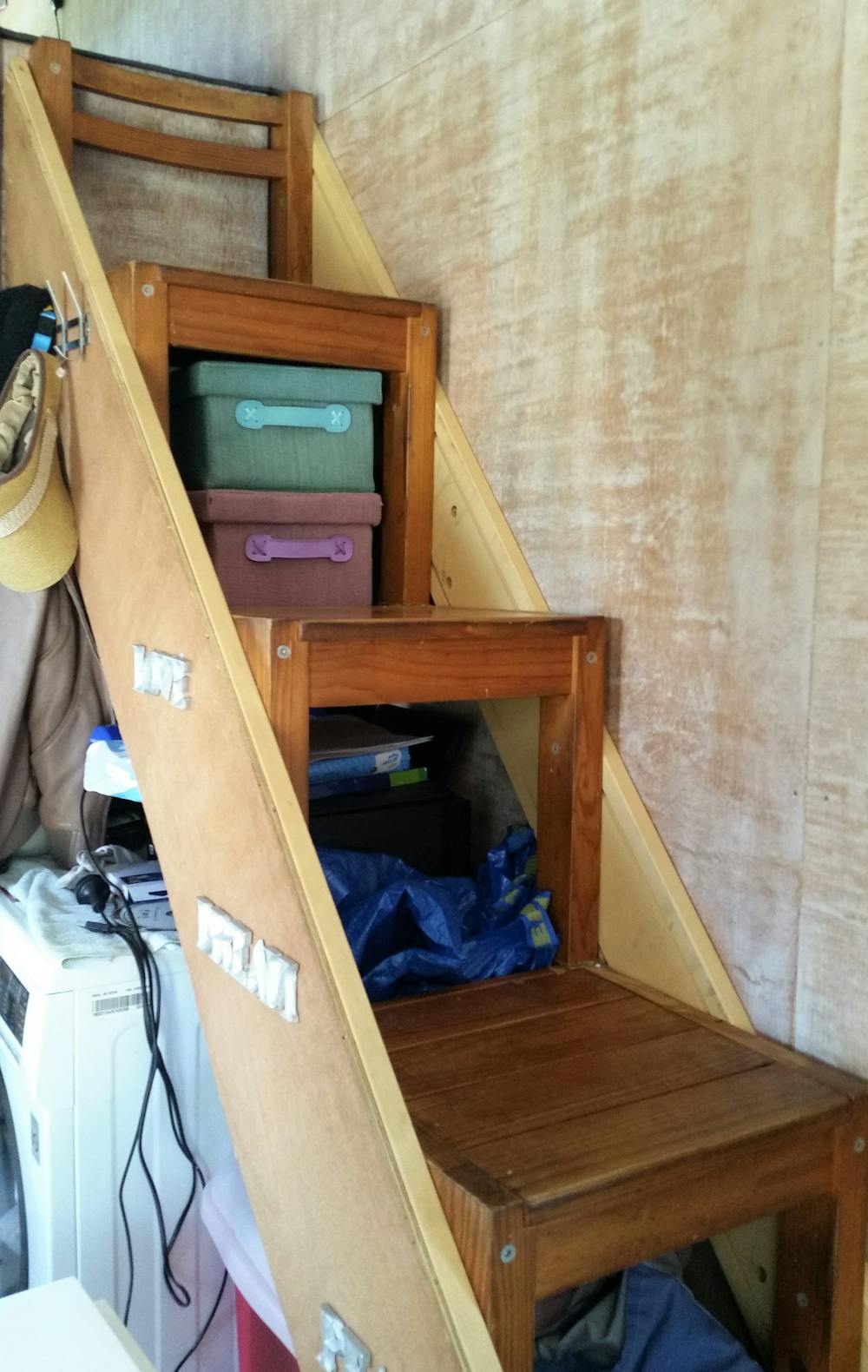 Tiny houses need to maximise use of every space.
Heather Shearer, Author provided
Tiny houses need to maximise use of every space.
Heather Shearer, Author provided
Most of the people I interviewed were in southeast Queensland, but some were in Victoria and Tasmania. The majority were situated in rural or semi-rural areas, although a couple lived in suburban locations (Brisbane and Logan).
Most were aged in their 20s, or were 55-plus, and were couples or singles, the majority women. A few had children.
Nearly all had built their own tiny house, but some had bought their homes from tiny house builders. Interestingly, few homes were the archetypal tiny house on wheels – there were container houses, converted buses, and even tents.
This accords with research on the typology of tiny houses, which found they can take a number of forms. Note: “True tiny houses … (whether on foundation or wheels) are generally smaller than 400 sq ft (37m2).”
So how do people feel about tiny house life?
People had lived in their tiny houses from weeks to a couple of years. The majority had only positive things to say about tiny house living. As one respondent enthused:
I LOVE it. Love living in it; independent side of things … it’s much better than [living in] the caravan – own shower, kitchen, composting toilet, complete independence.
Another said:
I actually enjoy to live in a smaller space, because you don’t feel overwhelmed, and with kids you can see all the time, you can hear them and see what they’re up to. I love tiny house living, and I would love to help other people getting into it, it would be awesome.
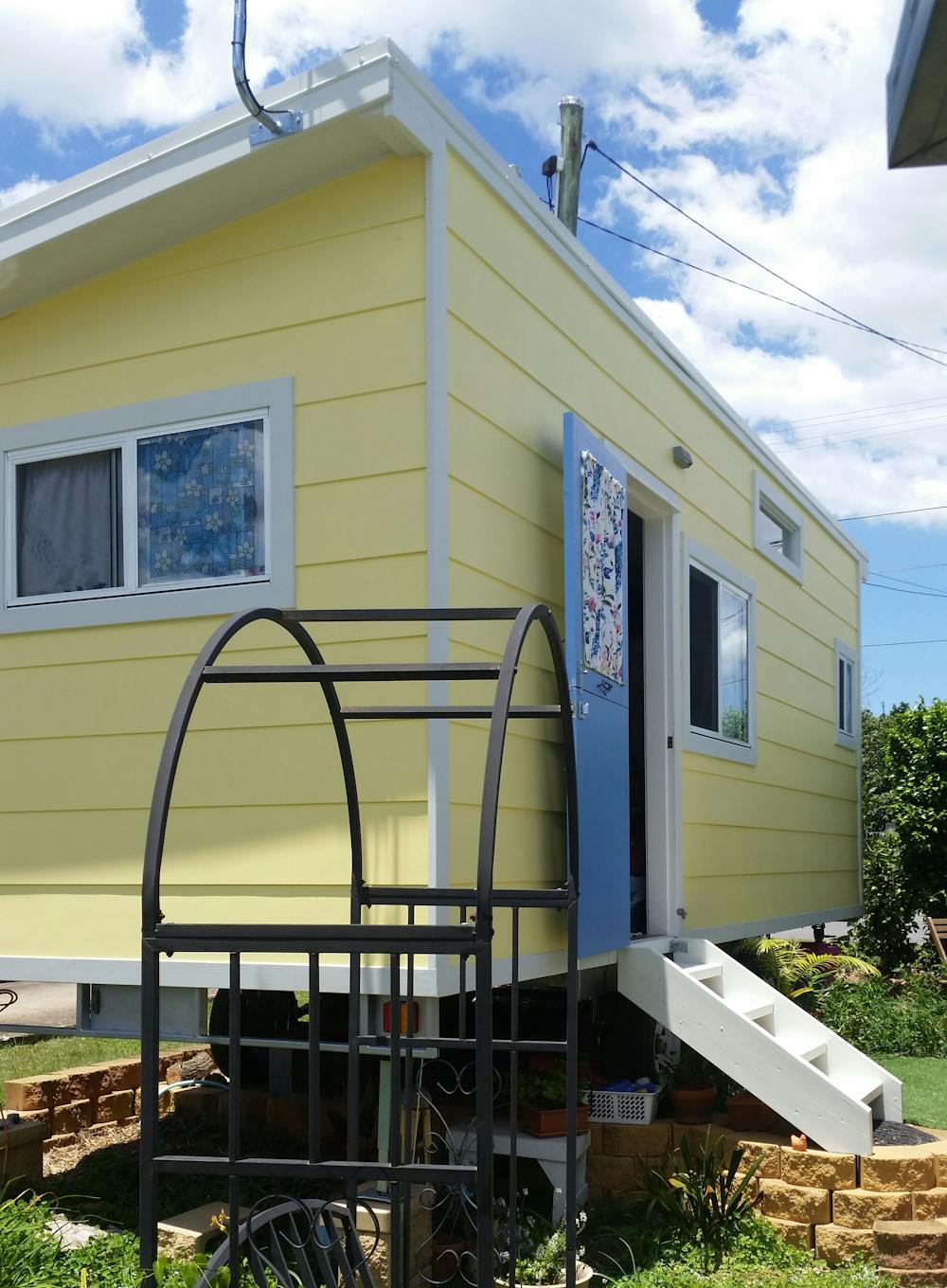 Some tiny houses can be found in the suburbs.
Heather Shearer, Author provided
Some tiny houses can be found in the suburbs.
Heather Shearer, Author provided
Other positive experiences included:
- freedom from debt – “the real cost savings and availability to be an actual home owner instead of permanent debt”
- community – “joining the community of like-minded people”
- having one’s own space.
People also often mentioned the ease of maintenance. Nearly all commented on how easy it was to keep clean and to heat or cool. One respondent said:
Cleaning the house takes half an hour and I know where everything is. I don’t accumulate things I don’t need.
Another commented:
A tiny house is a breeze to clean.
Those who were negative expressed minor concerns with issues such as cleaning composting toilets and small spaces. One commented:
The multipurpose nature of each room means that the bedding smells like fish when I cook salmon.
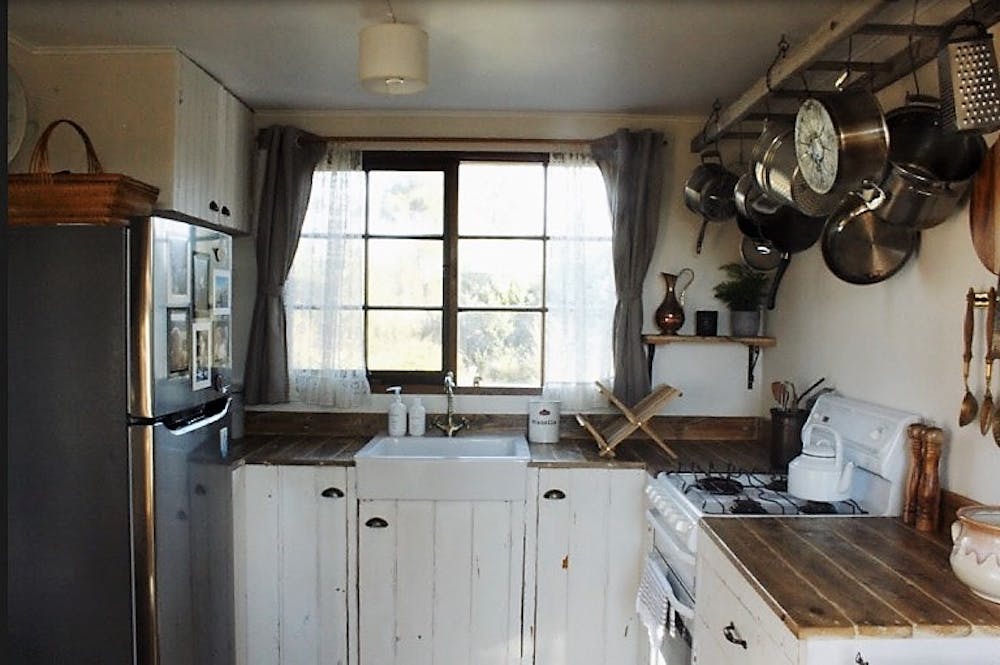 You can have a decent kitchen, but think twice about cooking anything that you don’t want to smell throughout the house.
Jekka Shearer, Author provided
You can have a decent kitchen, but think twice about cooking anything that you don’t want to smell throughout the house.
Jekka Shearer, Author provided
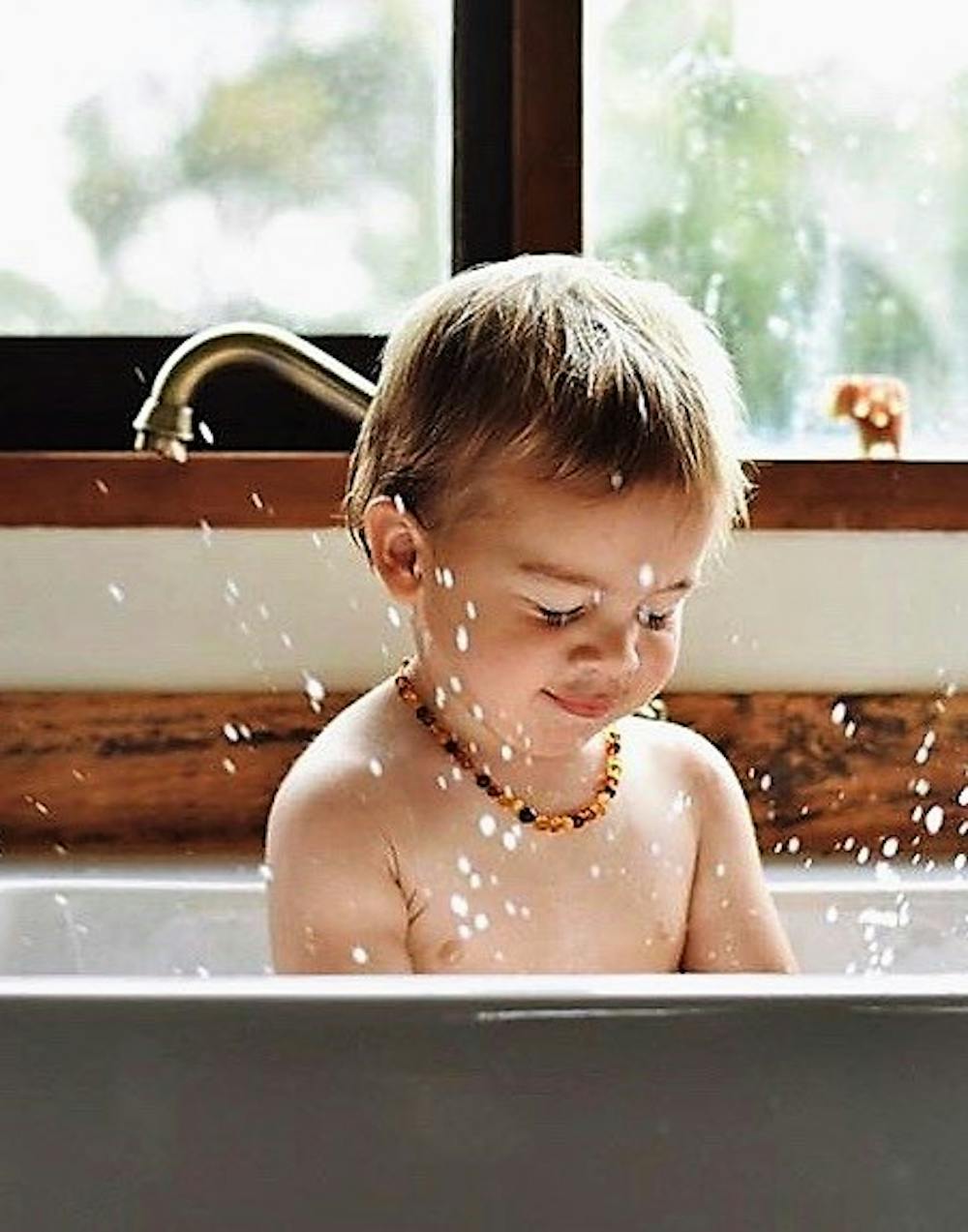 Making do: the basin doubles as a baby bath.
Jekka Shearer, Author provided
Making do: the basin doubles as a baby bath.
Jekka Shearer, Author provided
But, more seriously, longer-term concerns included:
- insecurity of tenure
- lack of privacy
- inability to get bank loans
- difficulties with having young children in a very small space.
One young Tasmanian couple with a 15-month-old son moved out of their tiny house (which they had built themselves) partly because it was too difficult to keep their active child content in the small space during the cold and wet winter months.
Here to stay but planning laws haven’t kept up
An ongoing issue is where to put tiny houses. Planning laws are still the major obstacle to tiny house living.
One respondent said:
I don’t like the fact that there is no surety that I can stay legally in one place. I don’t like knowing that I can’t stay long-term. You know what your timeframe is for renting, [you’re] not going to be moved for a ridiculous reason. There’s no protection if in a tiny house. Silly [council] rules like I [have to] stay in it for two nights, then move into the main house for one night, I get why these things have been put into place … waste and water, amenity; but I don’t see why [regulations] for that can’t be implemented.
Read more: Tiny houses: the big idea that could take some heat out of the housing crisis
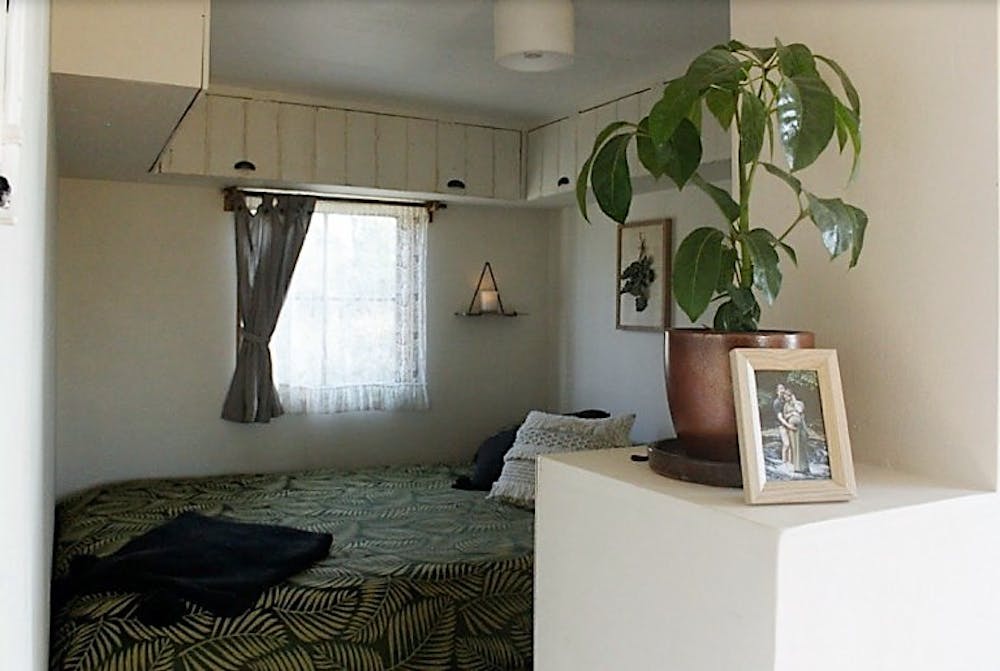 The biggest challenge with tiny houses isn’t making them comfortable and homely, it’s finding a site with long-term security of tenure.
Jekka Shearer, Author provided
The biggest challenge with tiny houses isn’t making them comfortable and homely, it’s finding a site with long-term security of tenure.
Jekka Shearer, Author provided
 Interior of a tiny house for sale.
Heather Shearer, Author provided
Interior of a tiny house for sale.
Heather Shearer, Author provided
Major findings of this and other research are that tiny houses are here to stay. They are definitely not just a niche market, but are more suited to certain demographics.
Interestingly, those who had moved to more conventional houses seemed almost guilty about having left. Tiny houses should be more realistically viewed as one stage in the lifetime housing journey, which may suit some and not others.
Housing in the 21st century needs to be more flexible to suit various lifestyle stages and households, not just singles and nuclear families. Safe shelter is a fundamental human right, but conventional housing has become increasingly unattainable for many.
Read more: We need more flexible housing for 21st-century lives
Local governments in particular could be far more proactive by adapting their planning schemes to permit more flexible types of dwellings, obviously in accordance with building, health, safety and environmental regulations. This would enable people to live in security without being afraid that they are going to be moved off because some neighbour might complain.
As long as safe and sanitary, and not an environmental eyesore, then why not? It’s very easy to say, if you have a certain size property, then you can have x tiny houses, [at a] certain distance.
Finally, as the owner of a property that has a number of tiny houses said:
I have worked in urban development for 20 years and the concept of affordable housing is a furphy unless we change legislation and allow people to live smaller. I am passionate that housing should be accessible by all, that people shouldn’t have to resort to social and public housing. Tiny housing offers a major disruptive solution to an ever-growing housing unaffordability and social divide in housing.
Authors: Heather Shearer, Research Fellow, Cities Research Institute, Griffith University
Read more http://theconversation.com/life-in-a-tiny-house-whats-it-like-and-how-can-it-be-made-better-110495


 Daily Bulletin


