

Electronics Design Engineer Expertise Within a Product Design Company
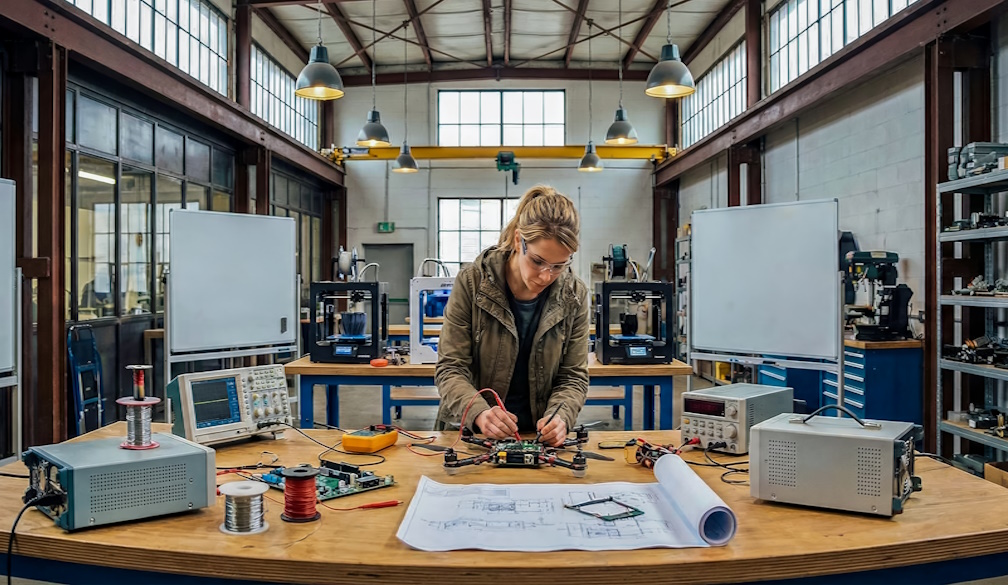
Creating successful electronic products requires more than technical knowledge alone. The role of an electronics design engineer is central to transforming functional ideas into reliable, manufacturable solutions that perform consistently in real-world conditions. Working within a structured development environment, these engineers bridge the gap between concept and execution, ensuring products meet technical, commercial, and user expectations. Electronics design engineers are responsible for turning abstract requirements into detailed electronic systems. Their work includes circuit design, component selection, testing, and validation. By combining analytical thinking with practical problem-solving, they ensure that electronic systems operate safely, efficiently, and reliably across their intended lifespan.
How a Product Design Company Supports End-to-End Development
A professional product design company provides the framework needed to guide electronic products from early concept through to production. Rather than focusing on electronics in isolation, product design companies integrate engineering with industrial design, user experience, and manufacturing considerations.
This holistic approach ensures that electronic systems fit seamlessly within the overall product architecture. Design decisions are made with form factor, usability, compliance, and cost in mind, resulting in products that are both technically sound and commercially viable.
The Role of an Electronics Design Engineer in Product Development
Electronics design engineers play a key role at every stage of development. During early concept phases, they assess feasibility and identify suitable technologies. As designs progress, they create schematics, develop prototypes, and conduct testing to validate performance under real-world conditions.
Engineers also collaborate closely with mechanical designers and software developers. This coordination ensures electronic components integrate correctly with enclosures, interfaces, and embedded software, reducing integration issues later in the process.
From Concept Validation to Production Readiness
One of the most critical contributions of an electronics design engineer is guiding products toward production readiness. Prototypes are tested rigorously to identify weaknesses, optimise performance, and ensure reliability. Feedback from testing informs design refinements that improve durability and consistency.
Within a product design company, engineers also consider manufacturability. Component availability, assembly processes, and cost targets are factored into design decisions, reducing the risk of delays or redesigns during production.
Balancing Innovation With Practical Constraints
Innovative electronic solutions must operate within practical constraints such as power consumption, size limitations, and regulatory requirements. Electronics design engineers balance these factors carefully, ensuring innovation does not compromise reliability or compliance.
By understanding both cutting-edge technology and established engineering principles, engineers create solutions that are forward-looking yet dependable. This balance is essential for products intended for long-term use or deployment in demanding environments.
Collaboration Across Multidisciplinary Teams
Product development is inherently collaborative. Electronics design engineers work alongside industrial designers, software developers, and project managers to ensure alignment across all aspects of the product. Clear communication helps prevent misunderstandings and keeps development on track.
This collaborative environment allows challenges to be addressed early, reducing the likelihood of costly changes later. When teams share a common understanding of goals and constraints, products are delivered more efficiently and with higher quality outcomes.
Ensuring Compliance and Quality Standards
Electronic products must comply with safety and performance standards before entering the market. Engineers incorporate compliance considerations early in the design process, addressing requirements related to electrical safety, electromagnetic compatibility, and environmental performance.
Testing and documentation are integral parts of this process. By embedding compliance into development workflows, product design companies help ensure smoother approvals and faster market entry.
Supporting Scalability and Future Enhancements
Well-designed electronics allow for future updates and scalability. Engineers design systems with modularity and flexibility in mind, making it easier to introduce new features or adapt products to evolving requirements.
This forward-thinking approach protects long-term investments and supports product longevity. Businesses benefit from designs that can evolve without requiring complete redevelopment.
Reducing Risk Through Expert Design
Poorly designed electronics can lead to failures, recalls, and reputational damage. Working with experienced electronics design engineers within a product design company significantly reduces these risks. Expert design processes identify potential issues early and address them systematically.
This risk reduction translates into more predictable development timelines, controlled costs, and higher confidence in product performance.
Delivering Business Value Through Technical Excellence
Beyond technical execution, electronics design engineers contribute to overall business success. Their decisions affect product reliability, user satisfaction, and lifecycle costs. High-quality design supports stronger market acceptance and reduced post-launch issues.
When paired with the strategic oversight of a product design company, engineering expertise becomes a powerful driver of innovation and competitive advantage.
Conclusion
Electronics design engineers play a crucial role in transforming ideas into reliable, production-ready products. Within a professional product design company, their expertise is supported by structured processes, multidisciplinary collaboration, and a focus on long-term performance. Together, they deliver electronic solutions that balance innovation, quality, and practicality, helping businesses bring successful products to market with confidence.


 Daily Bulletin


