

Common Plumbing Problems Faced by Chatswood Homeowners
- Written by: Daily Bulletin
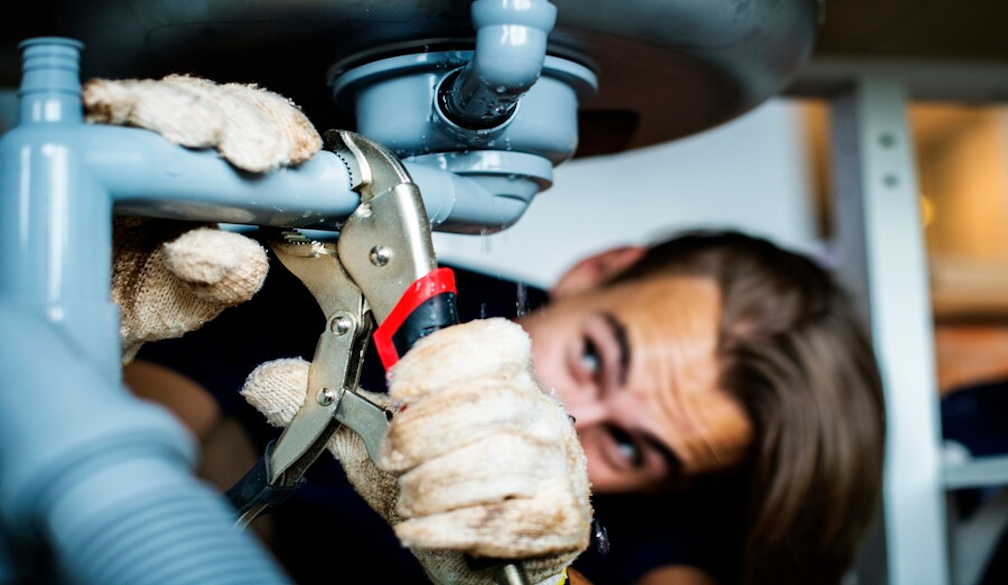
Plumbing issues can be a major source of frustration for homeowners. In Chatswood, a vibrant suburb known for its blend of modern homes and older properties, plumbing challenges are as diverse as the properties themselves. From leaky faucets to blocked drains, understanding these common issues and their solutions can save you time, money, and stress. Here’s a closer look at some of the most frequent plumbing problems Chatswood homeowners face.
1. Leaky Taps and Fixtures
Leaky taps are one of the most common plumbing complaints. Not only do they waste water, but they can also drive up utility bills. A worn-out washer, damaged O-ring, or corroded valve seat often causes leaks in older homes in Chatswood. While replacing these components is a straightforward task, ignoring the problem can lead to more significant issues, such as water damage or mold growth.
Tip: Regular maintenance of fixtures can prevent leaks. If you notice a persistent drip, seek professional help to avoid compounding the issue.
2. Blocked Drains
Blocked drains are a nuisance that can escalate quickly if not addressed. In Chatswood, tree roots are a common culprit due to the suburb’s leafy surroundings. Other causes include grease buildup, hair clogs, and foreign objects accidentally flushed down drains. Blocked drains can lead to unpleasant odors, slow water drainage, and, in severe cases, sewer backups.
Tip: Avoid pouring grease or coffee grounds down the sink and install drain strainers to catch debris. For persistent blockages, call a licensed plumber to inspect the pipes.
3. Low Water Pressure
Low water pressure can turn daily tasks like showering or washing dishes into a frustrating experience. It’s often caused by mineral deposits clogging the aerators or a leak somewhere in the plumbing system. In Chatswood, older properties with aging pipes may also face this issue due to corrosion or sediment buildup.
Tip: Regular cleaning of faucet aerators and showerheads can help maintain water pressure. If the problem persists, a professional inspection may be needed to identify and fix hidden leaks or pipe issues.
4. Burst Pipes
Burst pipes are a serious plumbing problem that can result in significant water damage. They are often caused by aging pipes, pressure buildup, or temperature fluctuations. In Chatswood’s cooler months, the risk of burst pipes increases due to the expansion and contraction of materials.
Tip: Insulating your pipes and ensuring proper pressure regulation can prevent bursts. If you suspect a burst pipe, shut off the main water supply immediately and contact a plumber.
5. Hot Water System Issues
A reliable hot water system is essential for Chatswood homeowners, especially during colder months. Common problems include inconsistent water temperatures, leaks, or complete system failure. Aging hot water systems are particularly prone to these issues, with sediment buildup in tanks and worn-out components being frequent culprits.
Tip: Regular servicing of your hot water system can extend its lifespan and ensure consistent performance. If your system is over 10 years old, consider upgrading to a more energy-efficient model.
6. Toilet Troubles
Toilets are another common source of plumbing woes. Problems range from running toilets and weak flushing to complete blockages. Running toilets are often caused by a faulty flapper or fill valve, leading to wasted water and higher bills. Blockages, on the other hand, are typically caused by flushing non-degradable items like wet wipes or sanitary products.
Tip: Avoid flushing anything other than toilet paper, and address running toilets promptly to conserve water and reduce costs.
7. Corroded or Aging Pipes
Many older homes in Chatswood have plumbing systems that include galvanized pipes, which are prone to corrosion over time. Corroded pipes can lead to leaks, discoloration in water, and reduced water quality. Left untreated, these issues can cause extensive damage to your property.
Tip: Consider replacing aging pipes with modern, corrosion-resistant materials like PVC or copper. Regular plumbing inspections can help identify potential issues before they become severe.
8. Sewer Line Issues
Chatswood’s lush greenery is a beautiful feature of the suburb, but tree roots often invade sewer lines in search of water. This can cause blockages, foul odors, and even structural damage. In older homes, outdated sewer systems may struggle to handle modern plumbing demands, leading to frequent problems.
Tip: Schedule regular sewer inspections and cleaning to prevent root intrusion and other issues. A plumber chatswood can use advanced tools like CCTV cameras to pinpoint and address problems effectively.
9. Gas Plumbing Problems
Gas plumbing is critical for heating and cooking in many Chatswood homes. Gas leaks, however, pose serious safety risks, including fire hazards and health concerns. Poor installation or aging gas lines are common causes.
Tip: If you suspect a gas leak, immediately evacuate your home and contact a licensed gas plumber. Regular maintenance of gas appliances and lines can help prevent leaks.
When to Call a Professional
While minor plumbing issues can sometimes be handled with DIY solutions, many problems require the expertise of a licensed plumber. Ignoring or improperly addressing plumbing issues can lead to costly repairs and potential health hazards. If you’re facing persistent problems or emergencies, don’t hesitate to call a Chatswood-based plumbing expert familiar with the area’s unique challenges.
Preventative Maintenance: The Key to Long-Term Solutions
Preventative maintenance is the best way to avoid plumbing headaches. Schedule regular inspections, address minor issues promptly, and invest in quality fixtures and appliances. Proactive care not only saves money but also ensures your plumbing system remains efficient and reliable.
Conclusion
Chatswood homeowners encounter various plumbing challenges, from blocked drains to aging pipes. You can maintain a functional and efficient plumbing system by understanding these common issues and taking preventative measures. Whether you need a quick fix or a complete overhaul, a local plumber chatswood is well-equipped to provide professional solutions tailored to your needs. Don’t let plumbing problems disrupt your home—act early and ensure peace of mind.

 Daily Bulletin


