

Fascia Vents & Eave Vents – An Innovative New Way Forward
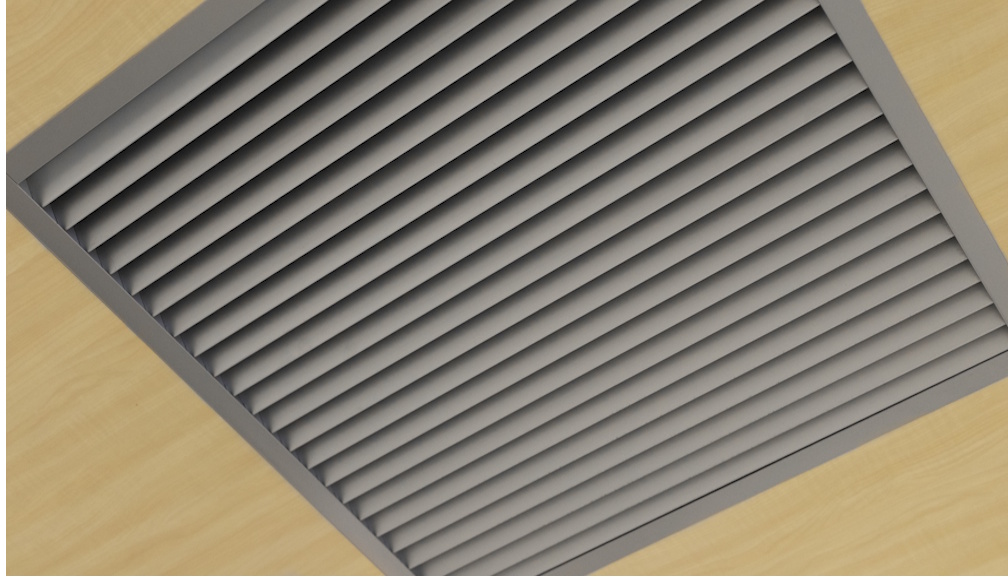
In modern home design, maintaining a healthy balance of airflow is essential for the longevity of the structure and the comfort of its inhabitants as well as complying with NCC condensation management regulations (10.8.2 and 10.8.3). While traditional roof-mounted fans or large ridge vents are common, many architectural styles—particularly those with low-pitched roofs or restricted attic spaces—make these methods difficult to implement. In such cases, utilising the fascia and eaves for ventilation becomes an invaluable strategy for managing moisture and temperature. To address this problem, Alpine Ventilation have developed a range of fascia and eave vents to help designer and builders meet regulations while also providing high performance ventilation solutions for home owners.
The primary benefit of fascia and eave ventilation is the facilitation of passive airflow. By placing vents at the lowest point of the roofline, cool air is naturally drawn into the roof cavity. This creates a "chimney effect" when paired with exhaust points, but even as a standalone solution, it provides a critical escape route for trapped heat and humidity. Without this movement, condensation can accumulate on the underside of the roof, leading to timber rot and mold growth. Because the underside of the eave is naturally protected from the elements, these vents also offer a lower risk of water ingress compared to penetrations on the roof surface. Alpine Ventilations range of fascia and eave vents can also be used in conjunction with their ducted fascia ventilation + adapter kit to exhaust used air from kitchens and bathrooms directly to the exterior of the house.
Beyond the structural advantages, one of the greatest strengths of this method is its aesthetic discretion. Homeowners often hesitate to install bulky ventilation hardware that might interrupt the clean lines of a contemporary facade. High-quality eave and fascia vents, such as those found in the Alpine Ventilation range, are designed with a low-profile silhouette. Whether utilizing slimline aluminum fascia vents or snap-in eave grilles, these components are engineered to sit flush against the surface.
By choosing vents that match the color and texture of the home’s exterior trim, the ventilation system becomes virtually invisible. This allows the air to flow freely without breaking the visual continuity of the eaves or the sleek edge of the fascia. This "hidden in plain sight" approach ensures that the home remains compliant with modern NCC condensation management standards while preserving the architectural integrity of the design. Ultimately, fascia and eave venting proves that high-performance climate control doesn’t have to come at the expense of a home's natural beauty.


 Daily Bulletin


