

Automotive Expert, Raffy Sgroi, Warns: Australia is Building Snowflakes in the Desert with EV Policy
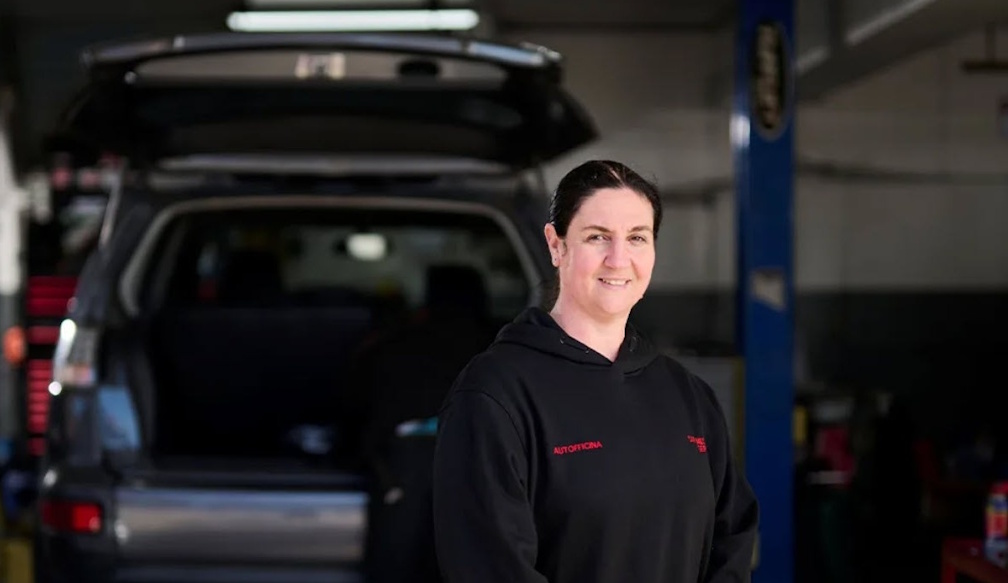
With the National Electric Vehicle Strategy due for a comprehensive review during 2026, automotive expert and senior government advisor, Raffy Sgroi, warns that Australia is rushing electric vehicle (EV) adoption without the workforce, infrastructure, or regulatory framework needed to ensure a safe and sustainable transition.
A vocal advocate for independent repairers, Raffy serves on several key federal and state advisory committees shaping automotive safety and policy. She is also co-founder and CEO of Canberra-based Car Mechanical Services, a multi-award-winning small business she has led for more than two decades.
Raffy says that she is certainly not opposed to EVs but has been raising concerns about Australia’s readiness for wider EV adoption for years. She says her frustration is mounting as governments continue to overlook critical gaps in planning, infrastructure and execution.
According to Raffy, the outcome of this year’s scheduled major review of the National Electric Vehicle Strategy will be pivotal and it cannot afford to continue sidelining the concerns being raised by those working at the coalface of the industry.
“Right now, we’re designing a future that looks good on paper but collapses in the real world,” says Raffy.
“We’re pushing the uptake of EVs and ‘self-driving’ cars without investing at the same pace in technical training, repair access, charging resilience, rigorous safety standards or real-world testing. It’s like building snowflakes in the desert. It’s impressive in theory but unsustainable in practice.”
WORKFORCE CAPABILITY
Raffy warns the consequences of getting it wrong will be felt not just by the automotive industry, but by everyday Australians, with higher repair costs, longer vehicle downtime and increased safety risks if EVs are rolled out faster than the systems designed to support them.
“A critical shortage of trained EV technicians is central to the challenges we’re facing, and it’s one that governments are yet to adequately address.
“Forcing the market to rely solely on manufacturer service networks is not acceptable because it limits consumer choice, drives up costs, and puts independent workshops at risk. These workshops form the backbone of Australia’s automotive industry.
“Without a skilled and supported workforce, everyday Australians will face longer wait times, higher repair bills, and declining confidence in the vehicles they rely on, which in the case of EVs, is especially concerning for Australians in remote areas who typically drive longer distances.
“When it comes to EVs, ‘zero maintenance’ is a myth. Service specialists require high-voltage safety certification, specialised training, and new diagnostic equipment, which are investments many small, independent workshops cannot make without clear demand signals and regulatory certainty,” adds Raffy.
With most Australians buying from the used car market, Raffy also warns that confidence in the second-hand EV sector is at risk. According to a 2025 Mobility Index survey by mycar[i], around one-third of drivers of internal combustion-engine vehicles are hesitant to purchase a pre-owned EV, citing concerns about hidden issues such as battery condition.
“The EV transition doesn’t succeed in showrooms. It succeeds where everyday Australians buy, maintain, and repair vehicles.
“As I have raised at roundtable after roundtable: unless small workshops are supported and consumers are given reliable information, adoption risks stalling where it matters most.
“This means that if we want a successful EV transition, the second-hand market must also be supported. This includes better information for buyers, clear guidance on battery condition reporting, and independent pre-purchase inspections and safety checks. Without these measures, consumer trust will remain fragile, small workshops will continue to struggle, and the broader EV rollout will be at risk of faltering despite ambitious targets,” says Raffy.
INFRASTRUCTURE
Raffy warns that infrastructure readiness is just as critical as workforce capability.
“Simply put, Australia should not push EV adoption without reliable and widespread charging networks, resilient electricity supply, and practical access in regional (including heritage homes) and apartment settings.
“We should be looking to international leaders like Norway, Germany, and the Netherlands as examples of how EV adoption can succeed. These countries prioritised training, infrastructure and regulatory clarity before pushing uptake.
“By contrast, Australia is aggressively racing ahead with targets, fuel-efficiency standards, and incentives without addressing the realities of ageing housing, regional gaps, or strata complexities.
“The upcoming 2026 review of the National Electric Vehicle Strategy is the perfect opportunity to address these gaps.
“All levels of government must together ensure infrastructure keeps pace with rollout plans. If we get this wrong, families, small businesses, and regional communities will bear the cost of unprepared systems; and adoption will stall, not because people aren’t willing, but because the country just isn’t ready to support them.”
REGULATION
Raffy further warns that safety legislation is lagging behind the rapid rollout of EVs and automated vehicles (AVs).
“High-voltage EVs and ‘self-driving’ vehicles bring new risks, from battery fires to system failures, yet current regulations were never designed for this technology. Without clear, enforceable standards, Australians are being asked to shoulder avoidable risks.”
Insurance frameworks are another major gap.
“At the moment, EVs and AVs exist in regulatory grey zones where liability, repair procedures, and coverage are unclear.
“If a collision involves an AV or high-voltage EV, who is responsible? And if independent workshops try to repair these vehicles without proper guidance or insurance clarity, both consumers and small businesses face serious financial and legal exposure.”
Raffy stresses that this uncertainty is already eroding market confidence and will continue to slow adoption unless governments act decisively.
“Safety and insurance policy cannot be an afterthought in the upcoming 2026 National Electric Vehicle Strategy review. Electrification and automation cannot be separated from the rules that govern safe ownership, operation, and repair.
“If governments fail to update safety standards, liability frameworks, and repair regulations now, we risk frustrated families, overburdened workshops, and a market that looks innovative on paper but is unsafe in practice.
“The 2026 review of the National Electric Vehicle Strategy is not just a policy exercise. It’s a chance to align ambition with reality.
“Australia can lead in EV adoption, but only if governments act decisively to support technicians, strengthen infrastructure, and enforce safety and liability standards. Anything less is building snowflakes in the desert: impressive in theory, but unsustainable in practice.”


 Daily Bulletin


