

Israeli Passport Renewal From the U.S.: What Expats Need to Know
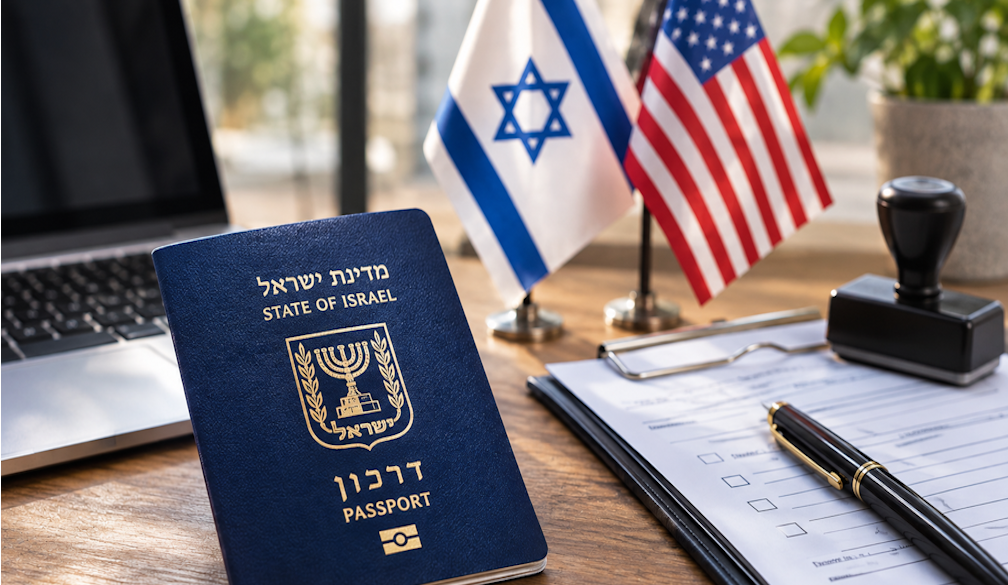
An Israeli passport is more than a travel document for people living abroad. It proves identity, supports visa and residency applications in the U.S., and is often required for family events, property matters, and entry into Israel. Yet many expats only notice the expiration date when a trip is already booked. Knowing how renewal works from the United States helps you avoid last-minute stress.
Renewal rules and procedures change from time to time, so it helps to follow a reliable source of updates. Websites that cover Israel Lifestyle topics, such as Israel Lifestyle, can be a useful starting point for practical information, but always confirm the final requirements with the official consulate before you act.
Check the Expiration Date Early
Start by looking at the validity of your current passport. Many countries require several months of validity remaining for entry, and airlines may refuse boarding if your document is too close to expiring. A good habit is to begin the renewal process at least six months before the date. This leaves room for appointment delays, missing documents, or a second visit.
Where Renewal Happens
Israelis in the U.S. usually deal with the Israeli consulate that serves their region. Appointments are generally required, and many consulates ask for biometric data, which means you may need to appear in person. Check which consulate covers your state, since travel distances in the U.S. can be significant. Booking early is especially important in large metropolitan areas, where slots fill up quickly.
Documents to Prepare
Requirements differ by case, but you will typically need your current or expired Israeli passport, your Israeli identity details, passport photos that meet the official specifications, and the application form. If you are renewing for a child, expect to bring additional proof, such as birth certificates and documents showing parental consent. If your name has changed, bring the supporting records. Using the official checklist for your specific situation prevents rejected applications.
Lost, Stolen, or Damaged Passports
If your passport is lost or stolen, report it as soon as possible and contact the consulate for instructions. These cases usually involve more paperwork than a standard renewal and may require a police report or a signed declaration. A damaged passport can also be rejected at the border, so replace it rather than hoping it will pass. Keep a scan of the identity page in a secure place, as it can speed up the process.
Children and Family Applications
Families should plan carefully. Minors often need both parents’ involvement or written consent, and the rules may depend on the family’s circumstances. If one parent lives in a different state or country, arrange the necessary authorization well in advance. Processing times for children’s passports can differ from those for adults, so do not assume that one application will move at the same speed as another.
Fees, Timing, and Delivery
Fees and processing times vary, and consulates update them periodically. Review the current fee schedule and accepted payment methods before your appointment, since some offices do not accept all forms of payment. Ask how the new passport will be delivered: some applicants collect it in person, while others receive it by courier or mail. Do not book international travel until you have the new document in hand.
Common Mistakes to Avoid
The most frequent problems are simple ones: photos that do not meet the specifications, missing supporting documents, expired identification, and applying too close to a travel date. Another common mistake is relying on outdated advice from friends or online forums. Procedures change, so a rule that applied two years ago may no longer be valid.
A Simple Renewal Plan
Check your passport’s expiration date today, identify your consulate, book the earliest available appointment, and gather your documents in a single folder. Keep digital copies of everything you submit, along with confirmation numbers. Treating passport renewal as routine maintenance rather than an emergency saves money, time, and anxiety.


 Daily Bulletin


