

How To Transport Vehicles Across Borders: USA To Australia Imports & New Zealand Shipping
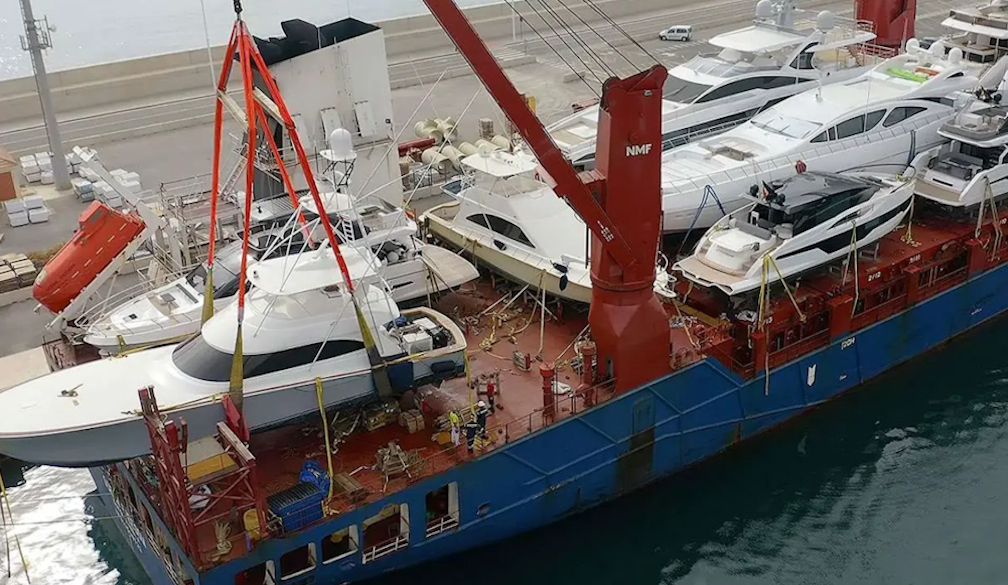
Shipping a classic car, a modern caravan, or a luxury yacht across international borders requires meticulous planning and a clear understanding of maritime logistics. When you want to arrange reliable boat transport in Australia or import an American muscle car, the process involves managing strict customs regulations, biosecurity checks, and international shipping routes. Australia and New Zealand maintain some of the most stringent biosecurity standards globally to protect their unique ecosystems. Consequently, preparation is your most valuable asset. Partnering with experienced logistics specialists helps simplify these complex border requirements, ensuring your valuable cargo arrives safely at its southern hemisphere destination without unexpected delays or costly quarantine fees.
Managing Biosecurity and Quarantine Standards
Both Australian and New Zealand border forces enforce rigorous biosecurity measures. The Australian Department of Agriculture, Fisheries and Forestry (DAFF) and the Ministry for Primary Industries (MPI) in New Zealand inspect every incoming vehicle. Any speck of soil, plant material, or insect can lead to immediate quarantine holds and expensive steam-cleaning fees. To prevent these setbacks, vehicles must undergo steam cleaning inside and out before departure from the US port.
Additionally, Australia has a zero-tolerance policy regarding asbestos. Classic cars manufactured before 2004 often contain asbestos in brake pads, gaskets, and clutch plates. Importers must secure certified testing and removal before shipping, as testing at the destination port can delay your cargo for weeks. Seasonal risks like the Brown Marmorated Stink Bug (BMSB) also dictate shipping timelines. Between September and April, goods from target risk countries, including the USA, must undergo mandatory heat treatment or fumigation. If you are organising boat transport in Australia, these pests can hide in small crevices of hulls and cabins, making professional pre-shipment treatment vital. Checking the resources on the Dazmac website can help you understand these seasonal requirements. By proactively addressing these biosecurity demands, you eliminate the risk of heavy fines and ensure a smooth clearance process upon arrival.
Roll-on/Roll-off versus Container Shipping
Selecting the appropriate shipping method depends on your vehicle's dimensions, value, and overall budget. The two primary methods are Roll-on/Roll-off (RoRo) and container shipping. RoRo is generally the most cost-effective option for drivable vehicles, including standard cars, trucks, and large yachts on trailers. Under this method, vehicles are driven onto the vessel at the port of origin and driven off at the destination. While affordable, RoRo exposes vehicles to the elements during loading and limits your ability to ship personal items inside the vehicle.
Alternatively, container shipping offers superior protection and security. You can choose between a sole-use container or a shared container for consolidation. Container shipping is ideal for high-value classic cars, motorcycles, or spare parts. It allows you to secure the vehicle inside a steel box, protecting it from marine grime and physical damage. For non-motorised vessels or oversized yachts, specialised flat-rack containers or bespoke cradles are required. If you are looking at the logistics of boat transport in Australia, containerised shipping might limit the size of the vessel you can import, whereas RoRo accommodates much larger drafts and beams. It is essential to weigh the security of a sealed container against the simplicity and lower cost of RoRo before booking your shipment.
Customs Valuation, Taxes, and Import Approvals
You cannot legally import a vehicle into Australia or New Zealand without official prior approval. In Australia, the Road Vehicle Standards Act requires importers to obtain an import approval through the ROVER portal before the vehicle leaves the origin port. Shipping a vehicle without this approval is an offence and can result in the vehicle being exported or destroyed at your expense.
Once the vehicle arrives, customs officials calculate duties and taxes based on the customs value of the vehicle, which includes the purchase price plus the cost of overseas freight and insurance. Australia applies a 10% Goods and Services Tax (GST) and a standard 5% customs duty on passenger vehicles, though certain US-manufactured vehicles may qualify for duty-free entry under the Australia-United States Free Trade Agreement (AUSFTA). High-value vehicles are also subject to the Luxury Car Tax (LCT), which adds a significant premium above a set threshold. New Zealand operates under different tax structures, applying a 15% Goods and Services Tax (GST) but generally omitting standard customs duties on passenger cars. Understanding these financial calculations is complex, which is why utilising the duty calculators and guidebooks on the Dazmac website provides clarity. Knowing these costs upfront prevents budget blowouts and ensures your funds are allocated correctly.
Coordinating Local Port Logistics and Transport
The journey does not end when the vessel docks at the port of Brisbane, Sydney, Melbourne, or Auckland. Port logistics involve multiple stakeholders, including customs brokers, port authorities, biosecurity officers, and local transport companies. Once the ship unloads, your vehicle moves to a bonded depot for customs clearance and biosecurity inspections.
During this phase, any issues with documentation or cleanliness will delay release. If the biosecurity officers find contamination, you must pay for transport to a licensed cleaning facility, the cleaning itself, and a re-inspection. Once cleared, you must arrange the final leg of the journey to your driveway or dealership. Because imported vehicles are not registered to drive on local roads immediately, you must transport them via flatbed trucks or specialised car carriers. For marine vessels, coordinating domestic haulage requires heavy-duty trailers, specialised haulage permits, and escort vehicles for oversized loads. You can find trusted transport partners and quote calculators on the Dazmac website to streamline this final domestic leg. This end-to-end coordination reduces the risk of storage fees at the port, which accrue daily and can quickly become expensive if your transport provider is delayed.
Final Thoughts
Importing vehicles and boats from the USA to Australia or New Zealand is a highly structured process that demands careful attention to detail. From the initial biosecurity cleaning and obtaining essential import approvals to choosing between RoRo and container shipping, each step plays a critical role in a successful transport journey. While the regulations may seem daunting, partnering with experienced freight forwarders simplifies the entire process, saving you time and avoiding costly border delays. By understanding the import laws, tax structures, and local port logistics, you can confidently bring your vehicle or vessel across borders, ready for its new journey on Australasian roads and waters.


 Daily Bulletin


